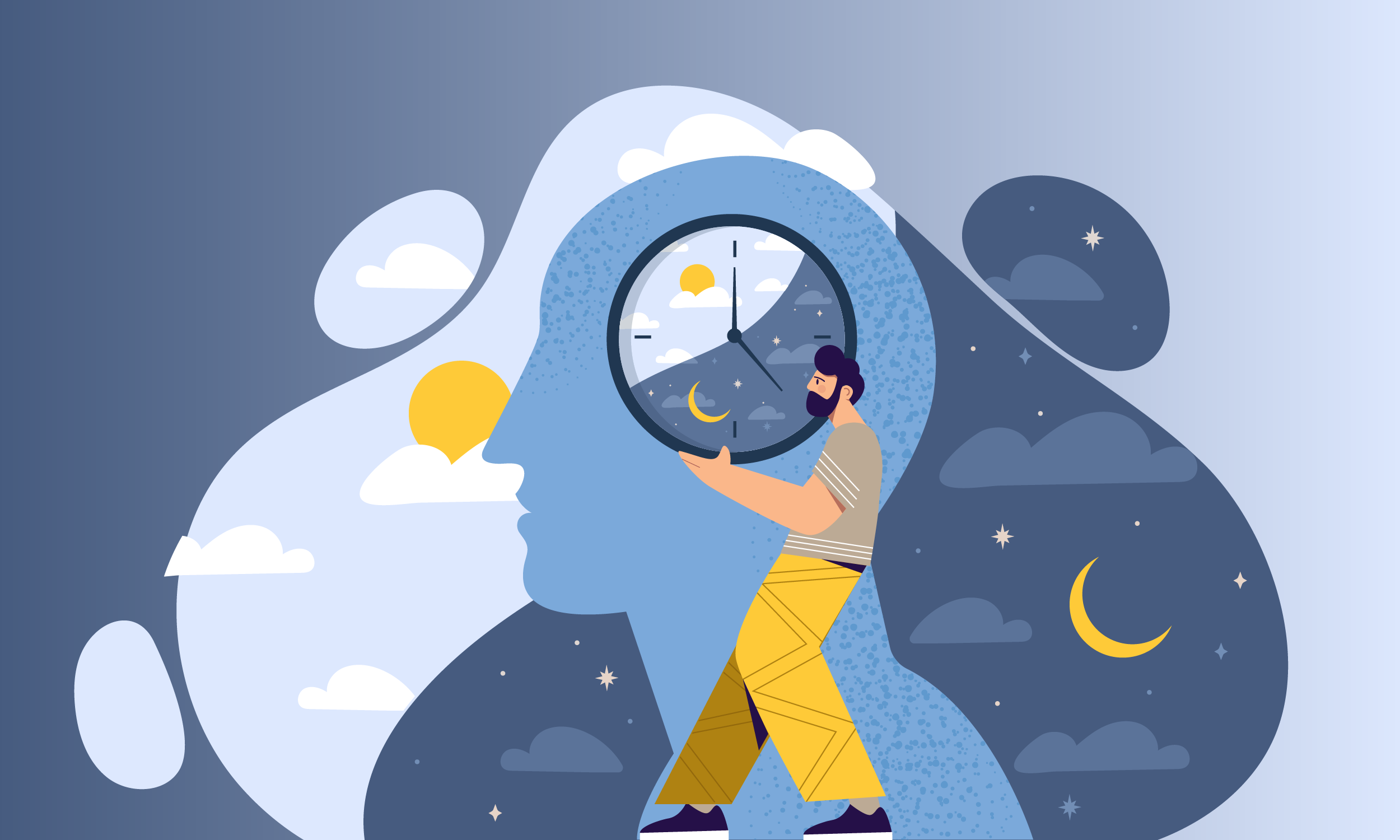
Ever wonder why jet lag is such a horribly uncomfortable experience? It’s because your biological clock doesn’t just regulate your sleep cycle, it affects a whole host of other bodily functions, like hormone levels, metabolism, your immune activity, and more.
That means when your circadian rhythms get disrupted, it can throw a wrench into a variety of systems. It also means that time of day can be an important factor when considering medical treatments. For example, aortic valve replacements performed in the afternoon are associated with fewer adverse side effects.
Unfortunately determining what “time” your internal clock reads is a little more difficult than glancing at a watch, in part because everyone’s biological clock ticks at a slightly different pace. Right now, the single most accurate test involves repeatedly measuring the levels of melatonin in the saliva during the hours leading up to bedtime, which is difficult to do outside of a laboratory or hospital environment.
Read more: “Immunity Is a Matter of Timing”
Now, according to new research published in the Proceedings of the National Academy of Sciences, chronobiologists have developed a way to get an accurate read of your biological clock from a simple hair sample. By measuring the transcriptional activity of clock genes in hair follicle cells and performing an analysis using artificial intelligence, they’ve been able to accurately pinpoint the biological clock’s time.
“In these cells, we measure the activity of 17 genes that are part of the molecular clock or are controlled by it,” study author Achim Kramer of Charité—Universitätsmedizin Berlin explained in a statement. “Using machine learning, this pattern can be used to calculate at what point in the daily rhythm the person is currently at. A single sample is sufficient for this.”
Using the test, researchers were able to confirm several findings from other studies, including that people in their mid-20s get tired on average about an hour later than those over 50, and that women’s internal timekeepers signal a slightly earlier “sleepy” signal than men’s.
While this new test will take a little more fine-tuning before it’s standardized for laboratory use, researchers are optimistic that streamlining the process can open up new opportunities for circadian medicine, tailoring treatments to chronotypes that boost their impact and lessen side effects.
Who knows, maybe one day we’ll even get a cure for jet lag. 
Enjoying Nautilus? Subscribe to our free newsletter.
Lead image: 100% HAND-CRAFTED / Adobe Stock