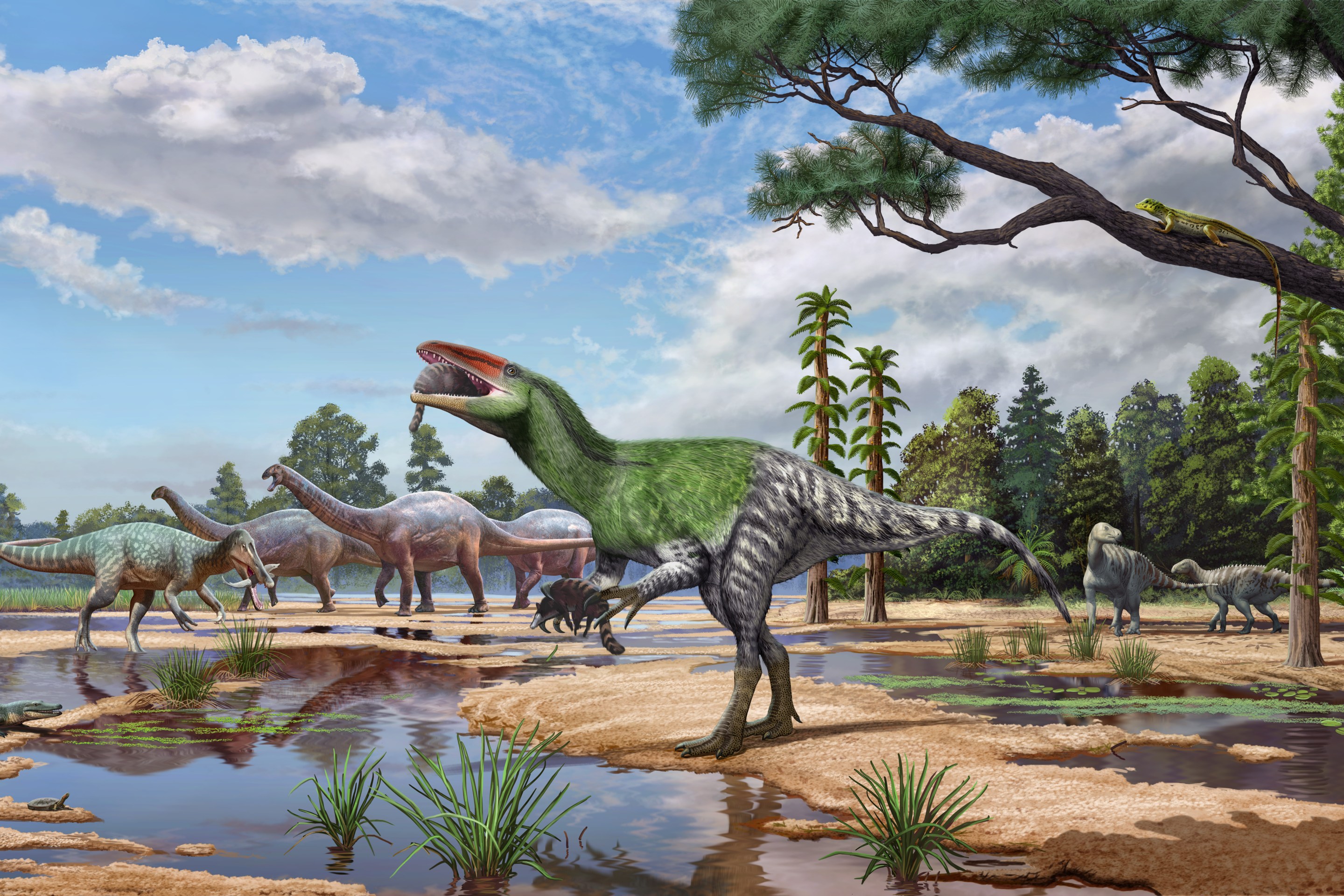
Twelve million years ago, during the Miocene, South America was covered in an even larger tropical jungle than its current verdant swath, with some key differences. Warmer temperatures, damper wetlands, and more bountiful food sources made it a paradise for reptiles, and they were living large—literally. Nine-foot turtles swam through rivers while 42-foot caimans trundled along the banks. Now, according to new research published in Journal of Vertebrate Paleontology we can add giant anacondas to the list of massive reptiles that inhabited those ancient swamps.
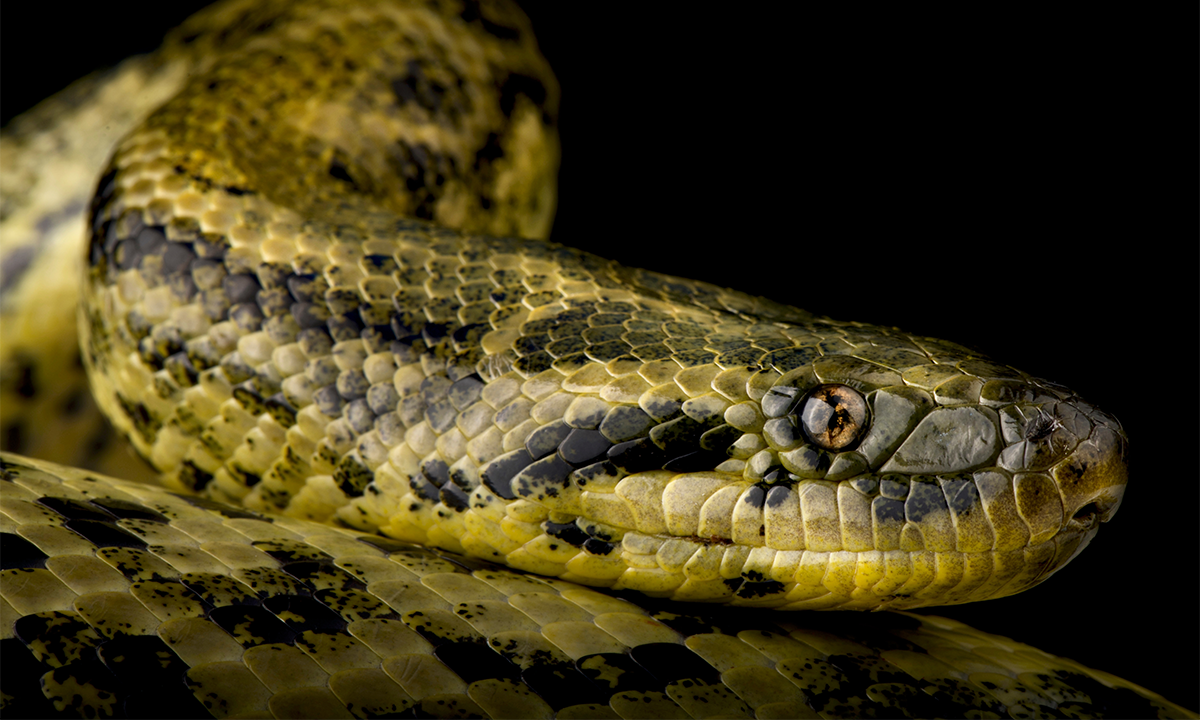
Researchers measured 183 fossilized vertebrae of 32 anaconda specimens discovered in Venezuela and determined that these snakes got huge and stayed huge—13 to 16 feet long, the same size they are today. Particularly striking was that the giant snakes weren’t even larger during a period marked by colossal reptiles.
Read more: “The Rise and Fall of the Living Fossil”
“This is a surprising result because we expected to find the ancient anacondas were seven or eight metres long,” study co-author Andrés Alfonso-Rojas, a Ph.D. student at the University of Cambridge, said in a statement. “But we don’t have any evidence of a larger snake from the Miocene when global temperatures were warmer.”
Unfortunately, the other South American behemoths didn’t weather the ensuing epochs as well as their serpentine brethren.
“Other species like giant crocodiles and giant turtles have gone extinct since the Miocene, probably due to cooling global temperatures and shrinking habitats, but the giant anacondas have survived—they are super-resilient,” Alfonso-Rojas added.
You know what they say: Live large, die old, and leave a shockingly massive skeleton. 
Enjoying Nautilus? Subscribe to our free newsletter.
Lead image: reptiles4all / Shutterstock