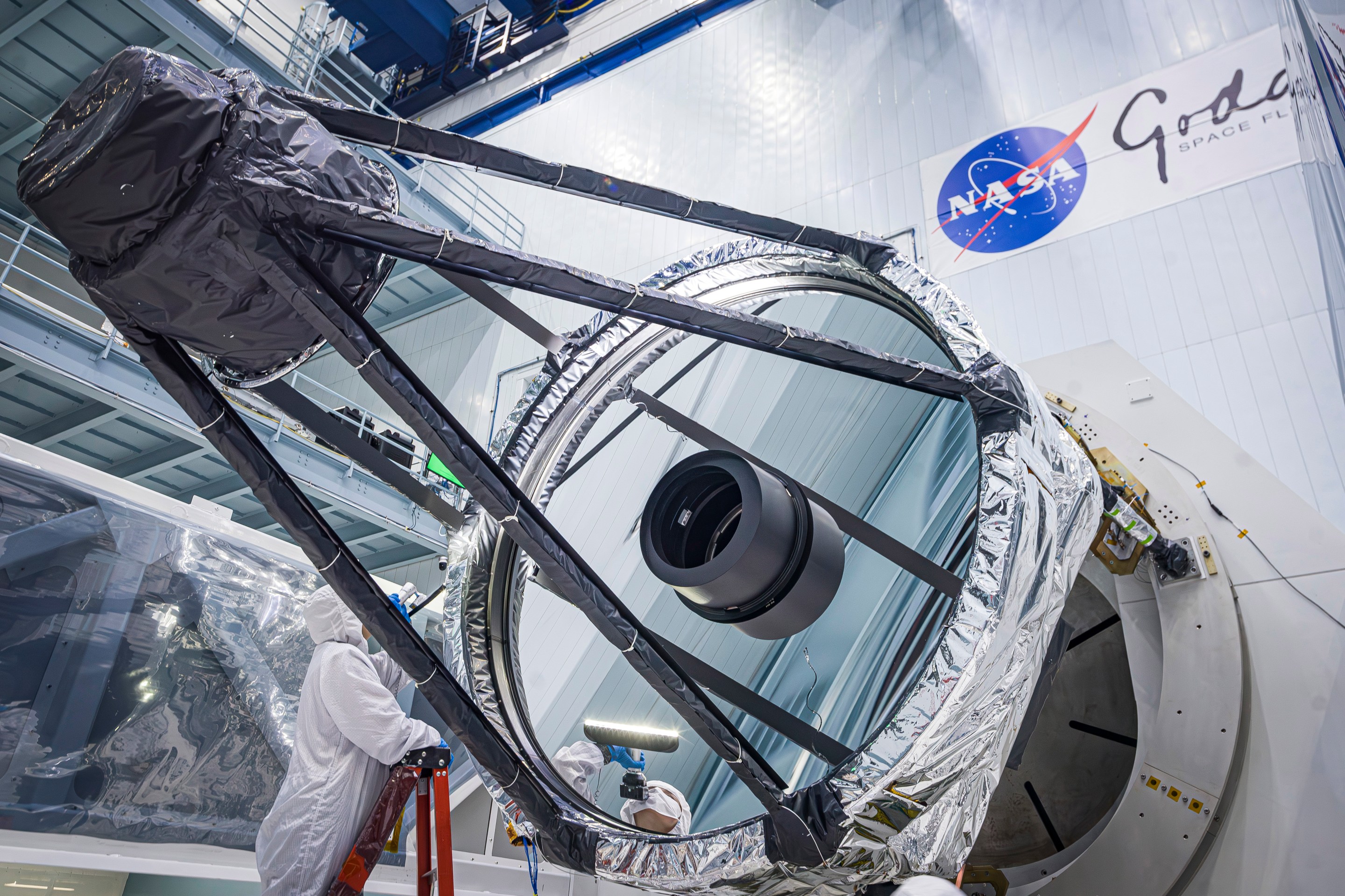
The mirrors are polished, the rehearsal is done, and the countdown has begun. The Nancy Grace Roman Space Telescope is scheduled for liftoff the morning of Sunday, August 30th from Kennedy Space Center in Florida.
Named after NASA's first Chief of Astronomy, the telescope will be putting some of her ideas into action. As early as 1959, Roman proposed that space-based telescopes could be used to detect exoplanets by blocking some of the light from stars. Her namesake space telescope is designed to do just that.
Read more: “Who Was Nancy Grace Roman?”
Most telescopes work by focusing incoming light to a central point, capturing the most detail in the middle. The Nancy Grace Roman Telescope has a series of self-flexing mirrors arrayed in a ring to capture detail surrounding the center. Once it’s operational, the telescope will be able to survey areas 100 times larger than the Hubble—and just as crystal clear. Combined with masks to block the glare from starlight, the telescope will allow astronomers to detect faint light from exoplanets, dusty areas where planets form, and billions upon billions of galaxies.
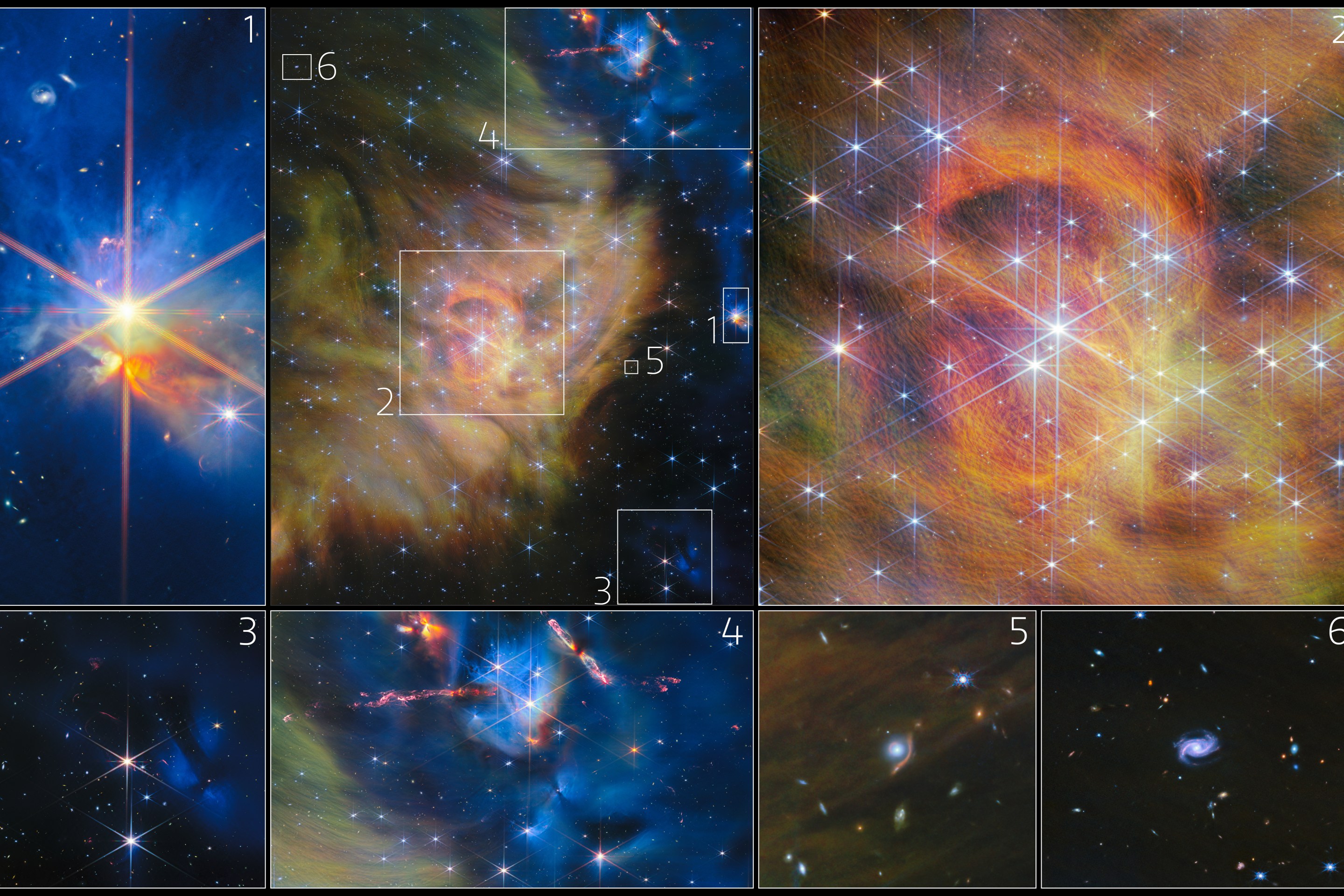
You might be wondering why we need another space telescope when we’ve already got the brand new James Webb out there. When it comes to imaging our universe, the James Webb Space Telescope is like a zoom lens, designed to peer deep into space. The Nancy Grace Roman Telescope, on the other hand, is more like a wide-angle lens, capturing vast expanses of space. You can think of them like a team: Nancy Grace Roman will survey the cosmos looking for interesting things, and James Webb will zoom in on them.
Launch coverage kicks off Sunday August 30th at 6:20 a.m. EDT, with liftoff occurring no earlier than 7:26, so set an alarm and tune in. 
Enjoying Nautilus? Subscribe to our free newsletter.
Lead Image: NASA