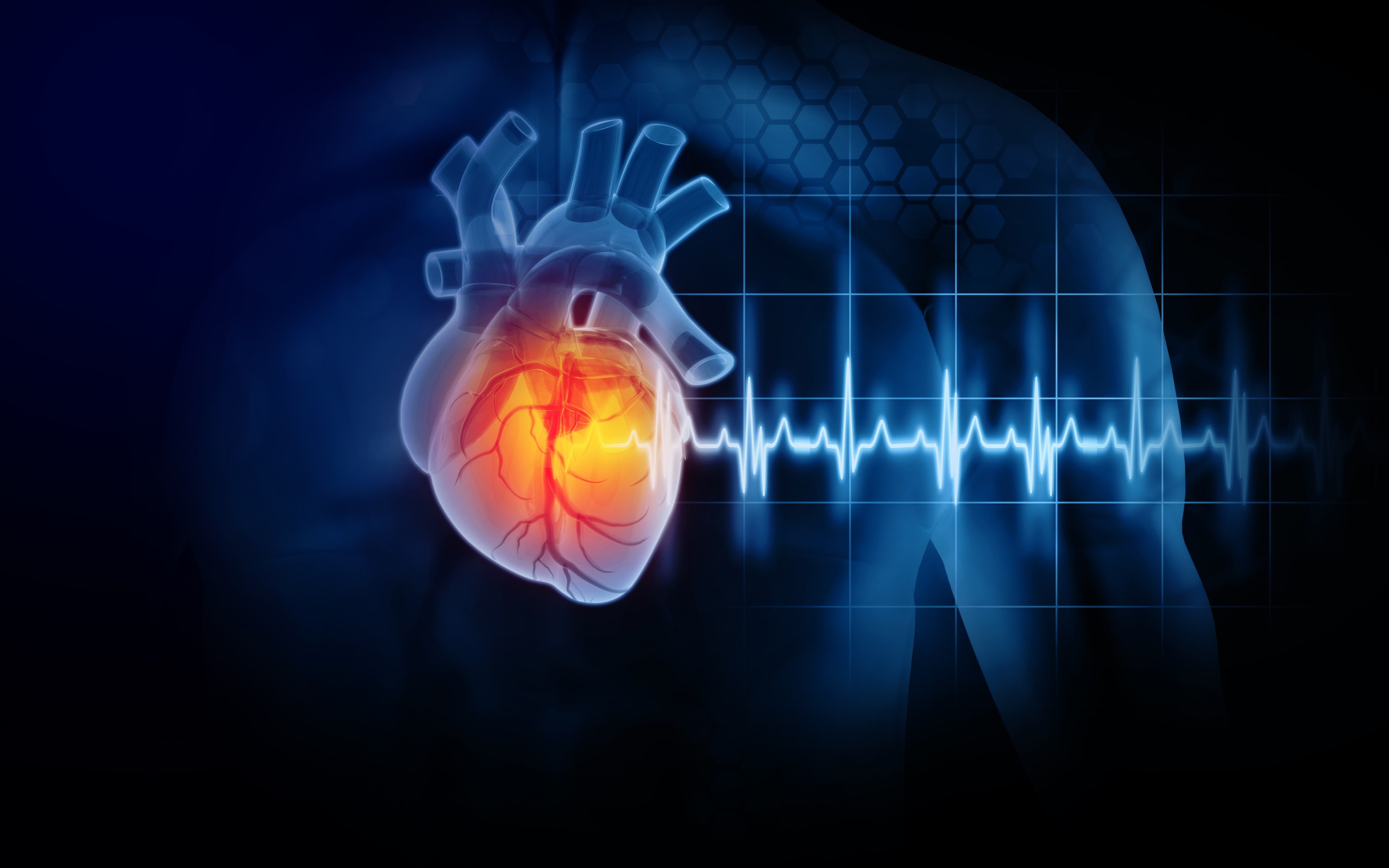
Takotsubo syndrome or “stress cardiomyopathy” is better known by its more familiar name: broken-heart syndrome. It’s called that because it usually follows an acute emotional stressor, like losing a loved one. Although broken-heart syndrome presents a lot like a traditional heart attack, it’s caused by a weakening of the left ventricle with no arterial blockage, and it’s tough to diagnose.
Differentiating broken-heart syndrome from a heart attack often requires a catheter snaked through the blood vessels to the heart. Even determining risk factors for the disease involves taking a history, which is easier said than done in an emergency. But now, a new study shows it may be possible to test for broken-heart syndrome without invasive procedures.
Read more: “Heart Attacks in Space”
An international team of researchers led by cardiovascular scientists from the University of Zurich examined blood samples from more than 3,600 patients taken from patients who either suffered a heart attack or broken-heart syndrome. Using artificial intelligence, they were able to identify five biomarkers that had a high probability of predicting the disease, along with biological sex (women account for around 80 percent of cases), and the BioTAK score was born. An independent validation study found that the BioTAK score accurately predicted broken-heart syndrome in nearly 90 percent of patients.
“Our study shows that a simple combination of blood biomarkers and biological sex can identify these patients with remarkable accuracy even before cardiac catheterization,” study author Florian A. Wenzl of the University of Zurich said in a statement. “At the same time, the biomarkers provide insights into the biological processes that distinguish Takotsubo syndrome from a classic heart attack,” added Wenzl’s colleague, Victor Schweiger.
So what are these biomarkers?
One of them, peptidylglycine α-amidating monooxygenase (PAM), seems to be involved in the brain-heart axis. PAM activates several neuropeptides involved in regulating stress responses, anxiety, vascular tone, and the activity of the autonomic nervous system, and higher levels were associated with an elevated risk of broken-heart syndrome. Another biomarker, soluble lectin-like oxidized low-density lipoprotein receptor-1 (sLOX-1), is released by blood vessel cells under stress from arterial plaques. SLOX-1 occurs at higher levels in those suffering heart attacks, but is relatively scarce in the blood of those with broken-heart syndrome.
While the new test shows plenty of promise, the researchers caution that it won’t replace traditional catheterization completely. “The BioTAK score isn’t a substitute for cardiac catheterization when it’s medically necessary,” study author Christian Templin of the University Medical Center Greifswald in Germany explained. “However, it could help guide diagnostic procedures more effectively and avoid unnecessary invasive tests in selected patients.”
In other words, it will spare the broken-hearted just a little bit more grief. 
Enjoying Nautilus? Subscribe to our free newsletter.
Lead Image: Crystal Light / Shutterstock