There’s a resistance-training renaissance happening right now. Weightlifting in particular is enjoying a surge in popularity among people who live in the United States, and for good reason. Strength training helps build lean muscle, reduce body fat, and maintain balance—all of which contribute to healthier aging.
But what about bone density? According to a new review published in the journal Sports Medicine – Open, joining a rec sports league might be a better bet for stronger bones.
Researchers from Semmelweis University in Hungary scoured 24 clinical studies involving a total of 1,238 healthy adults ranging in ages from the young to the elderly to investigate the differences between high-intensity and lower-intensity exercise (like resistance training) on bone density. While most of the studies didn’t measure bone mineral density directly, they did record levels of osteocalcin. Higher serum levels of the protein, which is secreted by bone-forming osteoblasts, correlate with increased bone mineral density, making it a useful proxy.
Read more: “How Jocks and Mathletes Are Alike”
They found that the activities that gave osteocalcin levels the biggest boosts were high-intensity sports that required fast changes in direction and bursts of movements, like handball and soccer. The lower impact exercises like walking, resistance training, and step aerobics weren’t nearly as effective.
“The most surprising finding was that resistance training didn’t produce a significant effect on markers of bone metabolism, even though several professional guidelines recommend this type of exercise for maintaining bone health,” study author Viktória Barna explained in a statement. “Likewise, low- or moderate-intensity endurance exercise, such as walking or jogging, showed no meaningful long-term effect.”
Does that mean you should switch up your exercise regime?
If you’re in good health and physically fit, it can’t hurt to join a rec league at your local gym. Still, the researchers stress that if you have cardiovascular issues, musculoskeletal problems, or osteoporosis, it’s best to consult a doctor before making any dramatic changes. Also any exercise is better than no exercise, and lower-intensity activities still come with plenty of benefits, the researchers say.
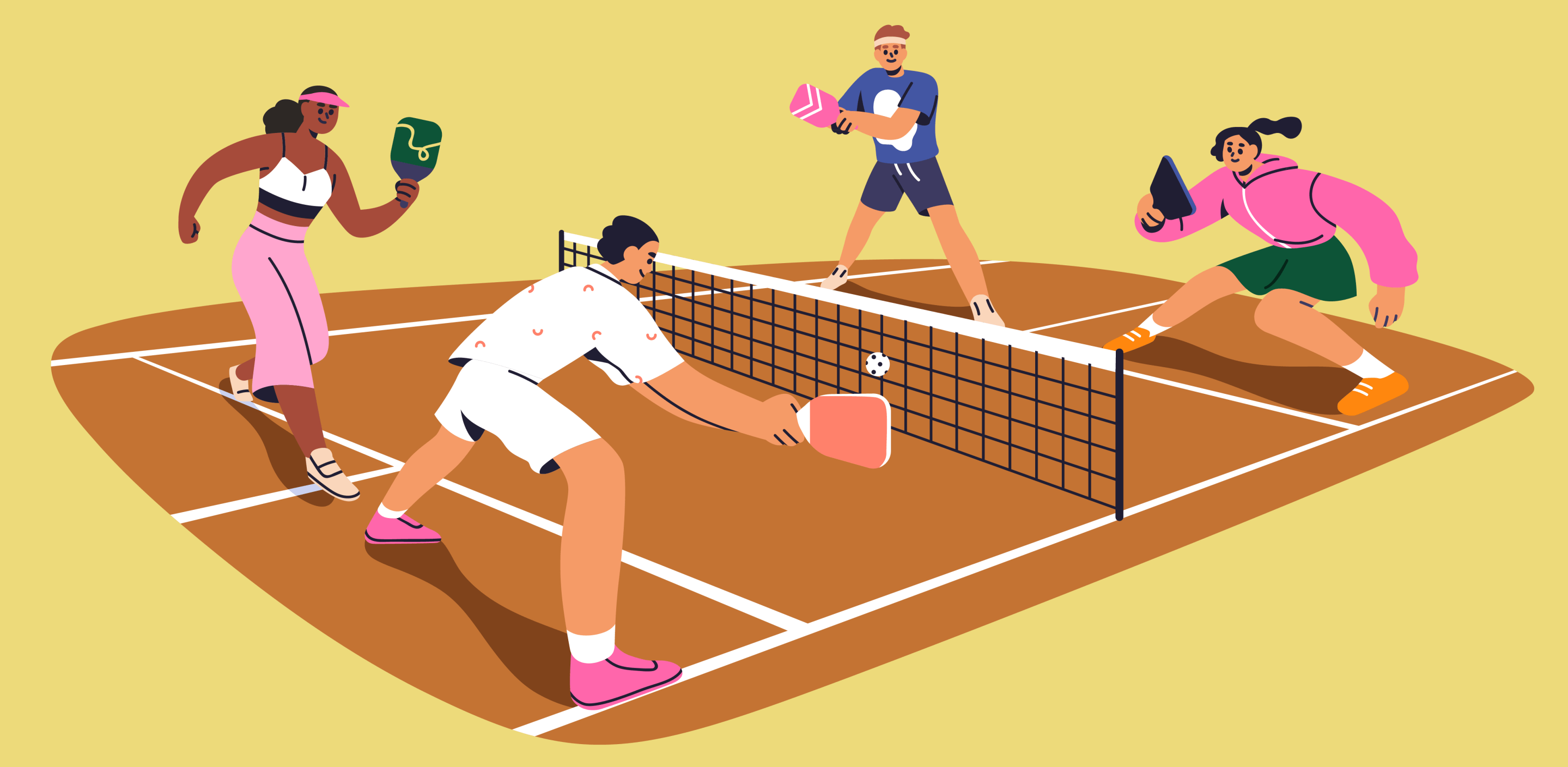
So don’t be afraid to let lifting weights become your gateway drug to the harder stuff—like pickleball. 
Enjoying Nautilus? Subscribe to our free newsletter.
Lead image: Good Studio / Adobe Stock