Tyrannosaurs, like T. rex and Gorgosaurus, were among some of the largest land predators to ever exist, but they didn’t start out that way. In fact, they were relatively tiny compared to the massive carnivores they’d become. A new study published in the journal Biology is offering unprecedented insights into the early lives of these fearsome predators and their somewhat surprising reproductive strategy.
“Going through museum collections, my colleagues and I have discovered the first remains of hatchling tyrannosaurs,” study author Nick Longrich of the University of Bath said in a YouTube video describing his research. “And these rare, tiny little bones tell us a lot about tyrannosaur reproduction.”
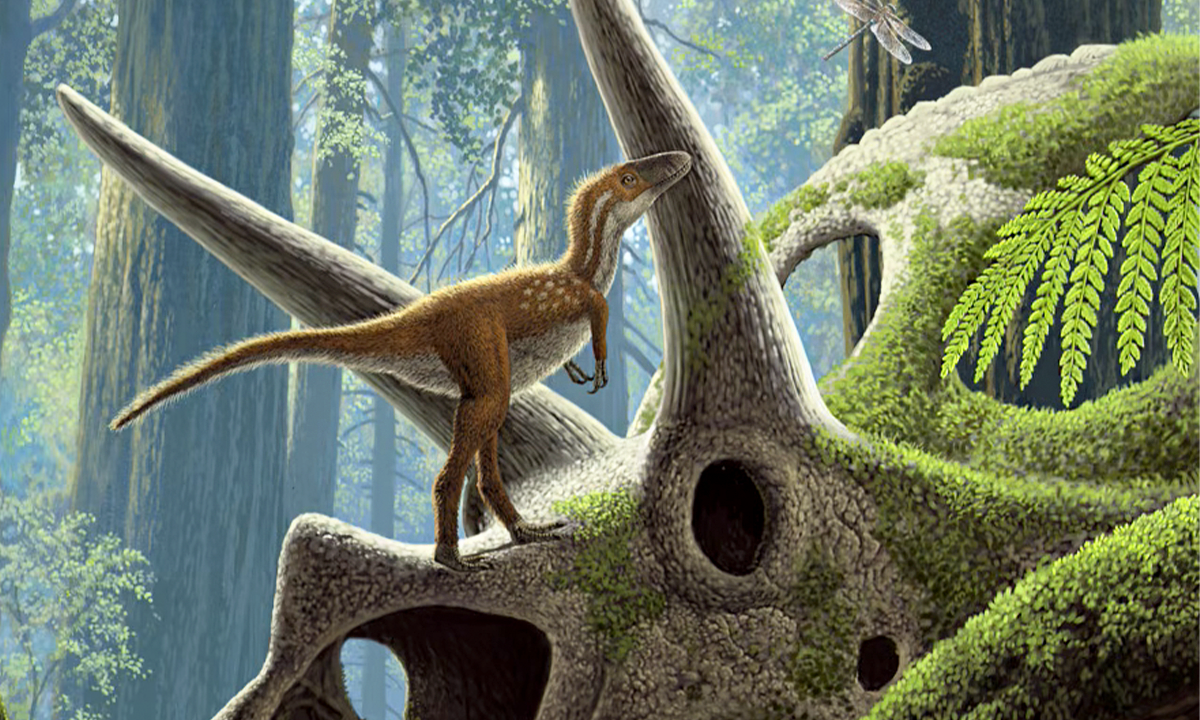
The fragmented bones they found were heavily vascularized, suggesting they belonged to immature dinosaurs, not small adults. Upon closer inspection, unique features of the fossils pointed to one conclusion—they were the remains of juvenile tyrannosaurs. According to the team’s estimates, the baby tyrannosaurs were around 2.5 feet long and weighed about 5.5 pounds (but could have weighed only 3.7 pounds when hatched). In other words, they were just a bit smaller than an average adult housecat.
Read more: “Baby Sauropods Were the Potato Chips of the Jurassic Era”
The eggs they hatched from were also quite small. Although intact tyrannosaur eggs have never been discovered (likely because their eggs were leathery like those of an alligator), the team was able to estimate how large they were from the hatchlings’ sizes. According to the team, the relatively small size of the eggs means they were probably laid in clutches of around 20 to 30 at a time, a sizable brood.
The baby tyrannosaurs also seemed to be pretty precocious. Intense X-ray scans of the fossils revealed their young bones were undergoing remodeling, which means the immature tyrannosaurs could move around soon after hatching. An analysis of the wear patterns on juvenile teeth suggested they were chomping down on bones early in their lives.
Taken together, the findings suggest tyrannosaurs had a much different reproductive strategy compared to modern avian dinosaurs (birds). Animals tend to either invest in a few “expensive” (resource intensive) offspring or many “cheap” offspring. While birds tend to have smaller clutch sizes and offspring they take the time to rear, tyrannosaurs seem to be slightly more on the “cheap” side of the continuum, producing many small offspring that were able to fend for themselves soon after hatching.
Either way, a litter of baby tyrannosaurs may have been adorable, but you still wouldn’t want to come across one. 
Enjoying Nautilus? Subscribe to our free newsletter.
Lead image: Nick Longrich Evolution and Paleontology / YouTube