Dutch ornithologist Leo Schilperoord is suspected to be patient zero for the hantavirus outbreak on a cruise ship that has been making global headlines for the past couple of weeks. He and his wife, Mirjam, passed away last month after contracting the deadly virus as they traveled through South America on a months-long vacation.
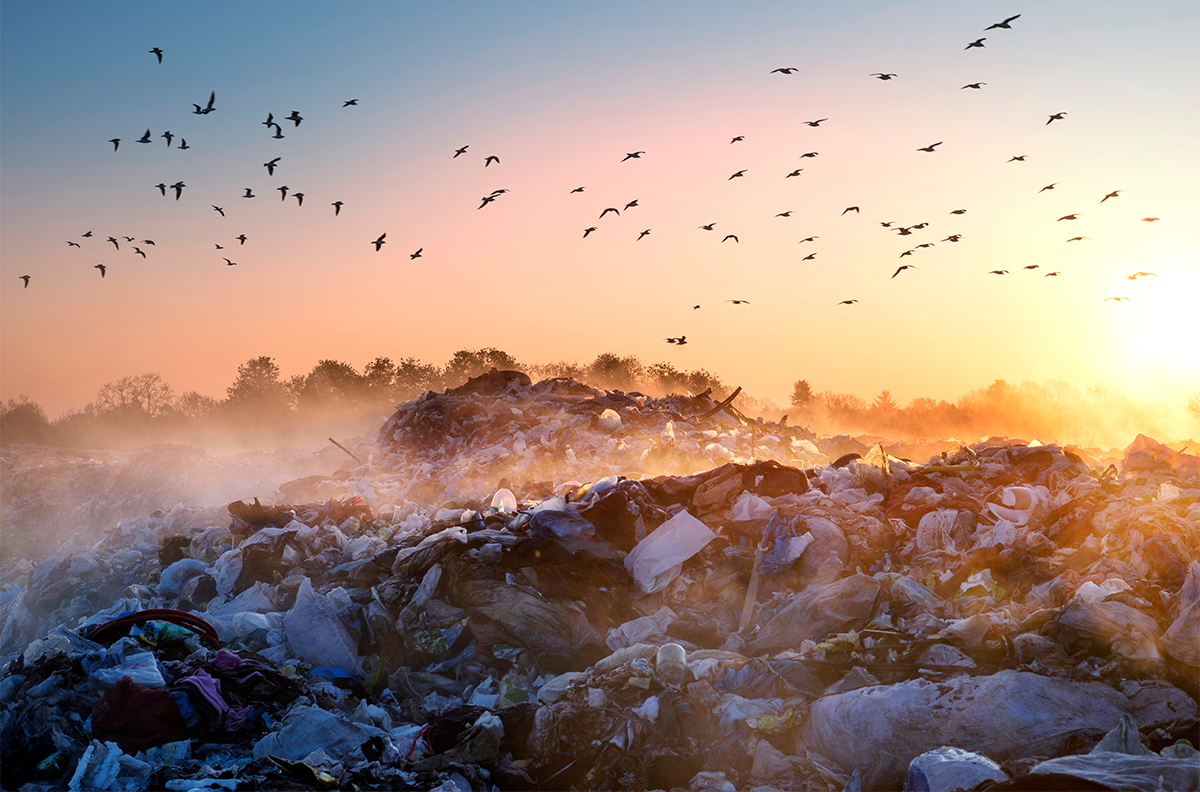
Reports have suggested that the Schilperoords may have caught the hantavirus in late March after visiting a landfill, and well-known birding hotspot, on the outskirts of Ushuaia, Argentina, where the cruise ship was docked. Rodents are known to frequent landfills and to carry the pathogen, transmitting it to humans in their waste.
The virus spread to other passengers on the cruise, and as of mid-May, officials have documented 11 confirmed or suspected cases of hantavirus pulmonary syndrome, including three deaths.
As investigators have pieced together this chain of tragic events, some media commentators have taken the opportunity to question the practice of birdwatching in areas that do not evoke images of natural beauty. I’ve seen and heard several permutations of, “Why would you go birdwatching in a landfill?!?” on the airwaves and in print. This week, Daily Show host Jon Stewart joined the ill-informed chorus. “What birdwatcher wants to go to a landfill, and spend the whole day going ‘Seagull, seagull, seagull, used condom’ …”
The reality is that landfills, and other such undesirable places, have been birding hotspots for a long time. As an article titled “Birdist Rule #44: Learn to Love Landfills and Sewage Treatment Plants” published in Audubon magazine nearly a decade ago puts it: “Landfills and sewage treatment plants are parts of the human footprint that we like to pretend don’t exist, so they're worth a visit just to remind ourselves of the full impact of human existence,” author Nicholas Lund wrote in 2016. “The fact that they're also darn good places to see birds is a bonus. It’s good, clean, dirty, gross fun.”
And the science bears out Lund’s assertion that the abundant food at landfills and water at waste treatment plants are natural attractants for birds, especially during spring and autumn migration periods. A 2021 study in PLoS One quantified avian diversity at 19 landfills across the United States, comparing bird species richness at those sites to nearby natural sites. The authors found these measures to be roughly similar between the two different habitats. “While landfills harbored marginally lower species richness than reference sites,” they wrote, “landfill community composition, and its turnover across space, were similar to reference sites.”
Yes, they found scavenger species, such as gulls (yes Stewart, gulls) and European starlings to be overrepresented at the landfills, but they also found habitat specialist species attracted to different habitats—such as constructed wetlands and grassland habitats—contained within landfill sites. “Given that our analysis demonstrated the presence of threatened grassland birds at landfills across the U.S., with proper management landfill properties may present an opportunity for conservation,” they wrote.
I recently spoke to Chris Holden, a Chicago-based psychiatrist, avid birder, and board member of the Chicago Ornithological Society, as he was out birdwatching in Humboldt Park on a mid-May morning. “There are some landfills that are legendary for birding because of the species that show up there and can be commonly found there,” Holden says. “There are also ones that are known for very rare species popping up.”
Read more: “Chasing James Bond’s Hummingbird”
Indeed, the Schilperoords were apparently looking for a rare bird of prey called the white-throated caracara, or Darwin’s caracara, that is known to frequent the Argentine landfill where they may have contracted hantavirus. That sounds more like two passionate birders seeking to check off a rare species on their lifetime list and less like a pair of haphazard birdwatchers to me. “Those were hardcore people, and that was probably the trip of a lifetime,” Holden, who says he’s done some birding in landfills himself, agrees. “These were not cruise ship idiots.”
In fact, there are several landfills and wastewater treatment plants that cater to birders with established excursions and safety protocols that invite the hobbyists to tour the sites. The Ada County Landfill in southwest Idaho, for example, is well known for its winter gull watching. The Idaho Department of Fish and Game even publishes a map to help birders catch a glimpse of an Iceland gull, a Lesser Black-backed gull, and other annual visitors to the dump site. Birders are instructed to interact with landfill staff and follow the rules after securing their “birding ticket” when they visit the landfill.
And Holden says that an annual tour of an urban wastewater treatment plant managed by the Metropolitan Water Reclamation District of Greater Chicago typically sells out within a day of tickets becoming available. “Birds have different priorities than humans,” he says, noting that we typically seek out solitude and beauty in our trips into natural areas. “Birds are looking, amongst other things, to eat.”
And while landfills might not fit everyone’s ideal image of an excursion into nature to commune with wildlife, they have plenty of food for birds and other animals. Unfortunately, in the case of the Schilperoords, birding in a remote, Patagonian landfill may have put them in contact with a deadly virus. But that’s not a reason to vilify them or the longstanding, and largely safe, practice of traveling to such places to observe a bird species one might not see otherwise. 
Enjoying Nautilus? Subscribe to our free newsletter.
Lead image: panaramka / Adobe Stock