blog
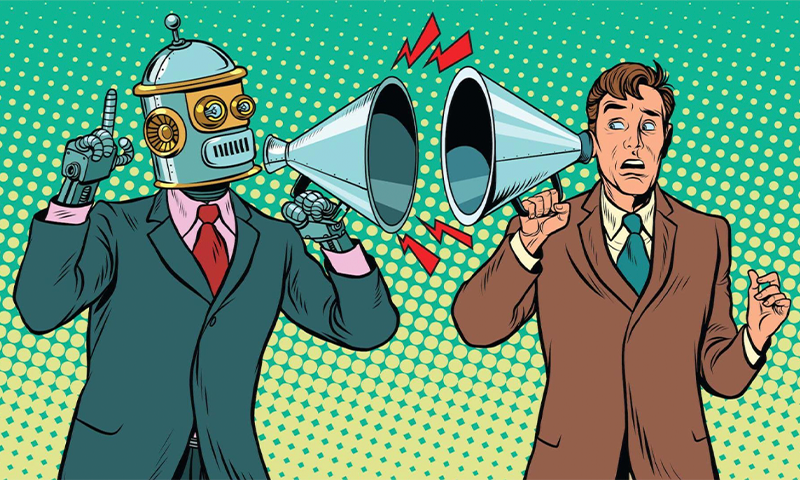
Does an AI’s Ability to Talk Mean It’s Conscious?
One question for Raphaël Millière, philosopher of cognitive science at Columbia University.
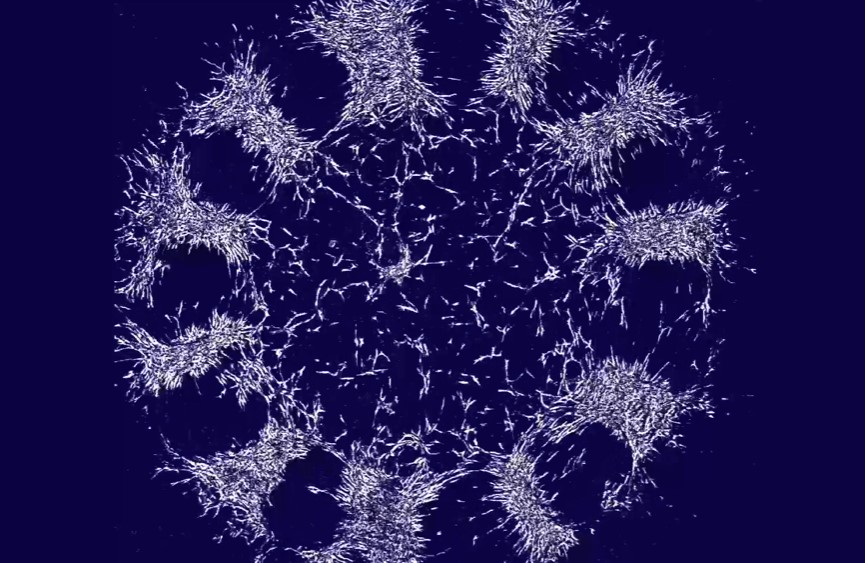
Embryo Cells Set Patterns for Growth by Pushing and Pulling
Patterns that guide the development of feathers and other features can be set by mechanical forces in the embryo, not just by gradients of chemicals.
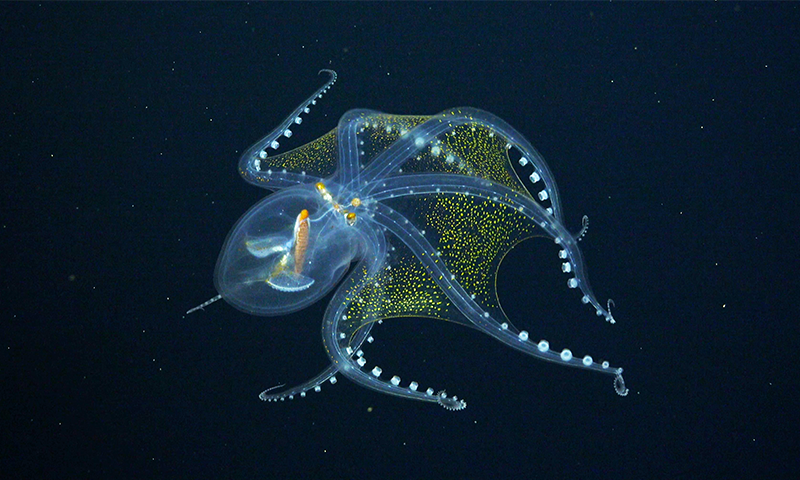
The Case for Popularizing Ocean Science
Why Schmidt Ocean Institute’s Carlie Wiener thinks octopuses and science fiction matter to ocean conservation.
The High Price of Cheap Shrimp
Our appetite is destroying a natural bulwark against climate change.

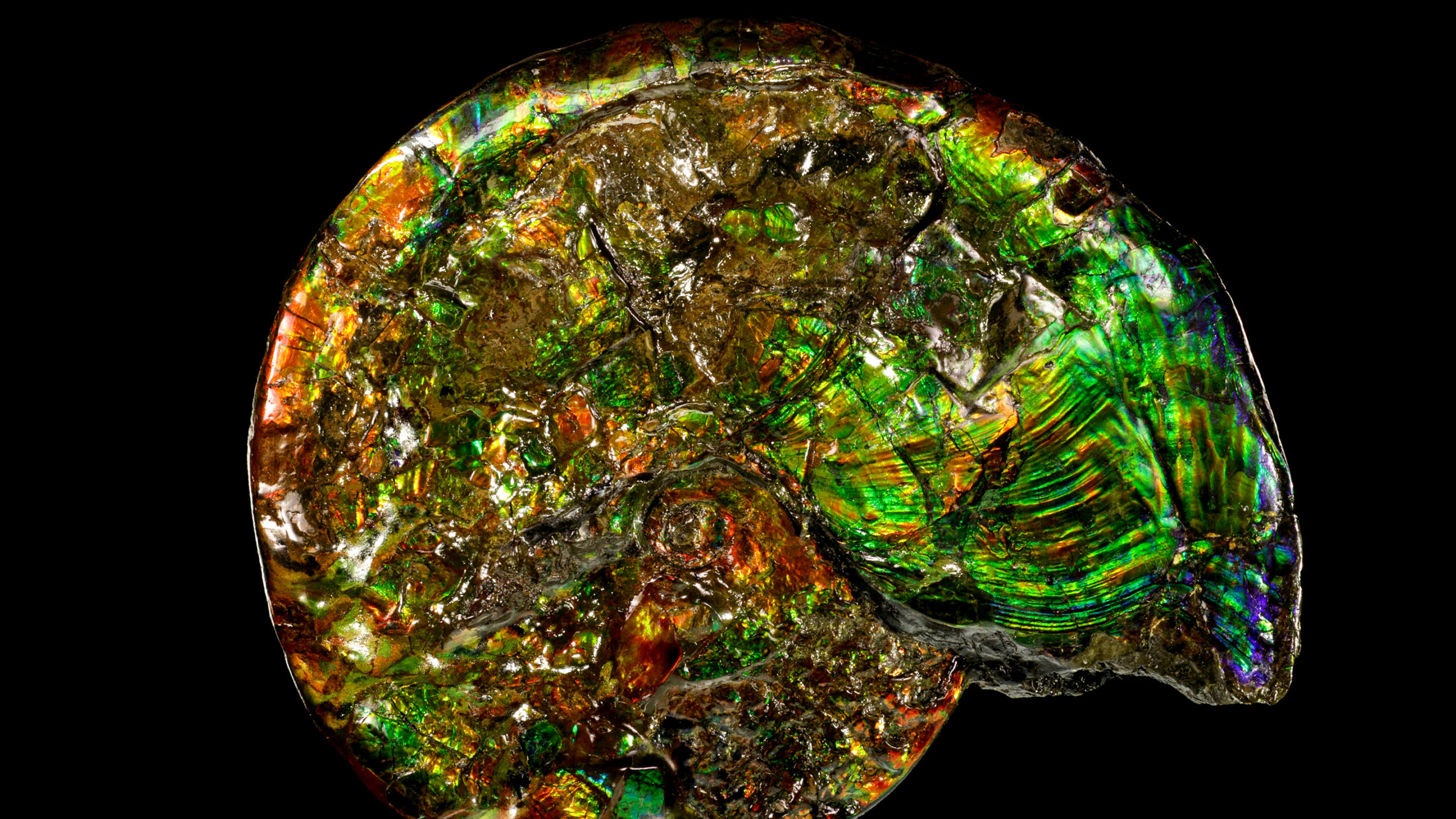
Life Helps Make Almost Half of All Minerals on Earth
A new origins-based system for classifying minerals reveals the huge geochemical imprint that life has left on Earth. It could help us identify other worlds with life too.

Under Anesthesia, Where Do Our Minds Go?
To better understand our brains and design safer anesthesia, scientists are turning to EEG.
How Do We Get People Who Believe in Pseudoscience to Trust Science?
It’s time to ask a scientist.
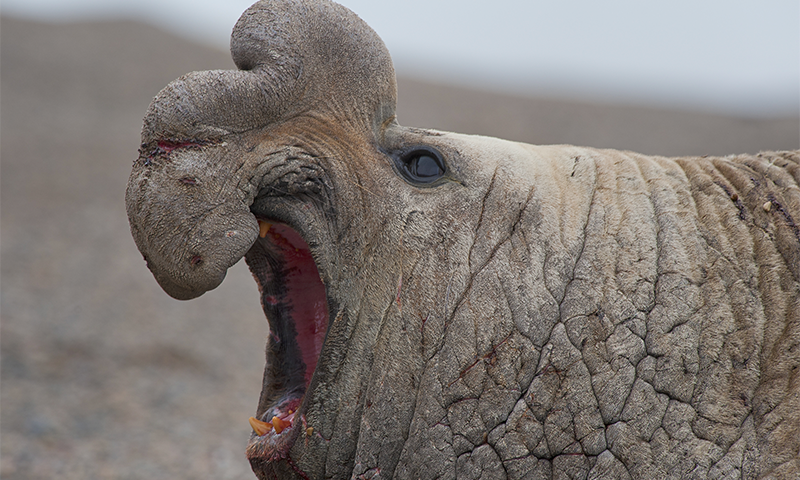
What Oceanographers Can Learn From Their Animal Colleagues
When you need good data in rough seas, send in the elephant seals.
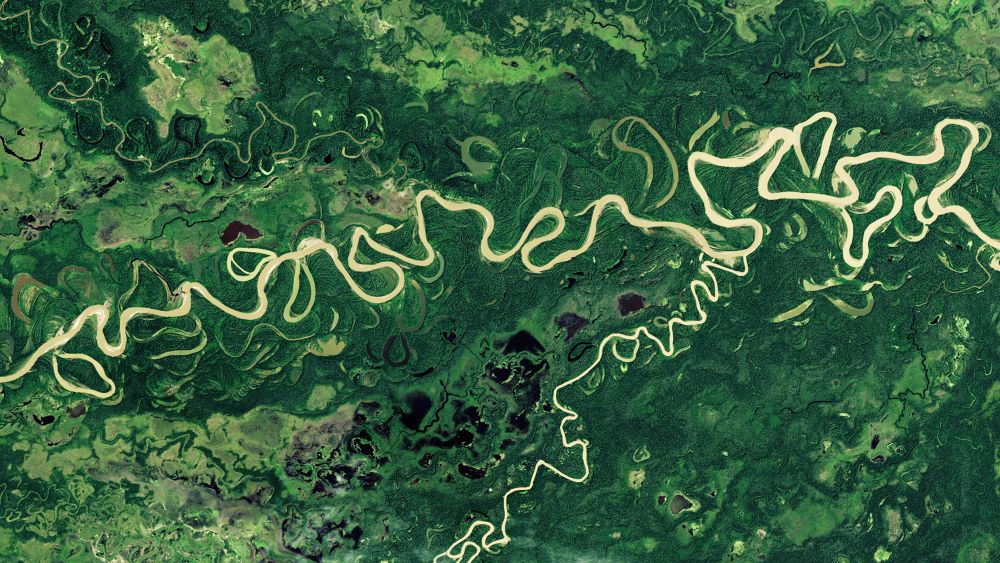
Reshuffled Rivers Bolster the Amazon’s Hyper-Biodiversity
The lush biodiversity of the Amazon may be due in part to the dynamics of branching rivers, which serve as invisible fences that continuously barricade and merge bird populations.

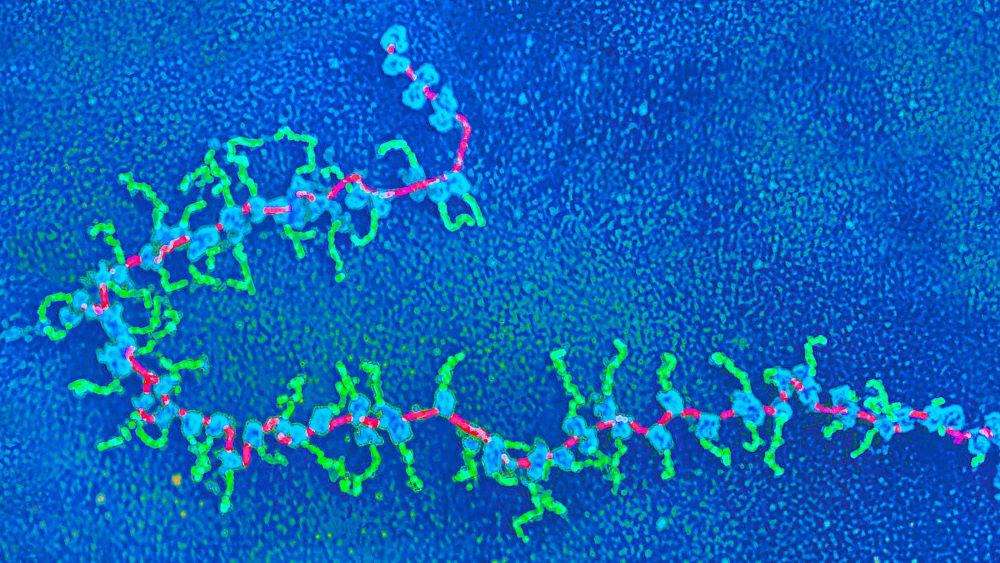
Life’s First Peptides May Have Grown on RNA Strands
RNA and peptides coevolving in the primordial world might have jointly served as a precursor to the modern ribosome.