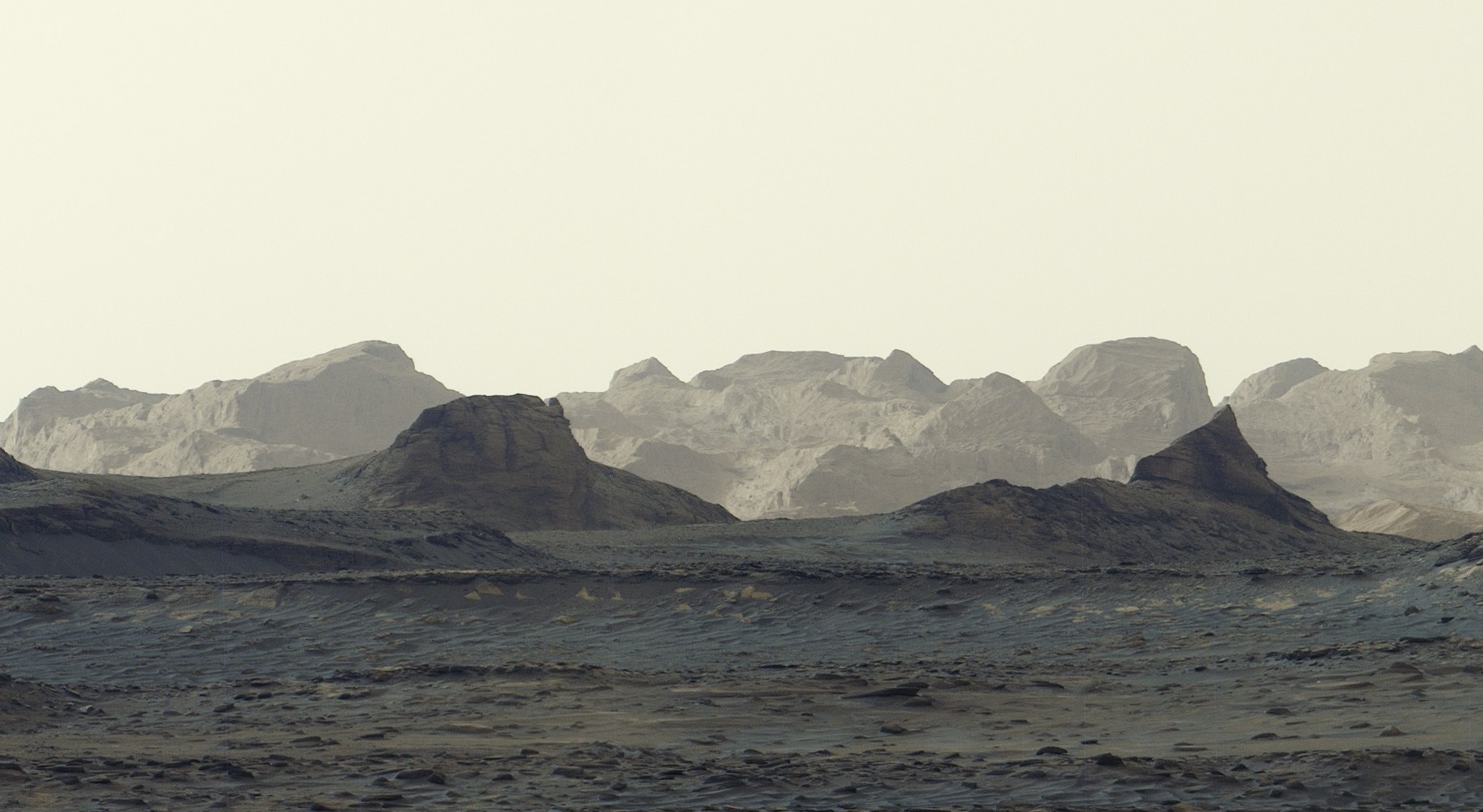
These stunning images reveal intimate details about our rocky neighbor Mars and its deep history.
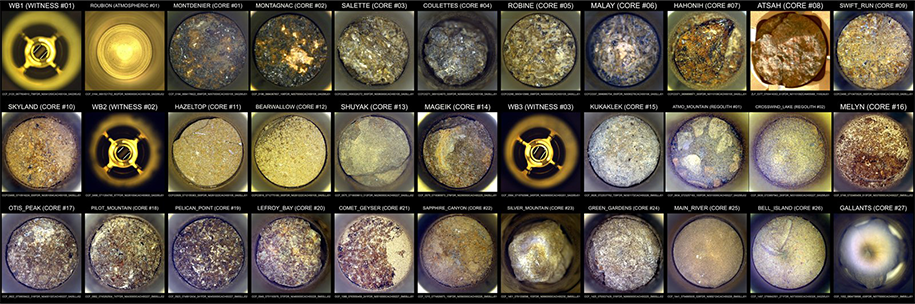
NASA’s Perseverance Mars rover has been working away for more than 1,570 Martian days (which are slightly slower than Earth days), and in the span of that time has collected 33 “tube” samples. A new collection shows a collage of them all.
Most are rock, two are a dusty material known as regolith, and one is air from the red planet. The rock cores are a mix of igneous and sedimentary samples, with some also revealing remnants of impact rocks, and one particularly heavy in serpentine and another in carbon. The ones that appear empty are known as “witness tubes”—which are taken to periodically record the conditions of the sampling to see whether contaminants from Earth hitched a ride, skewing results.
My personal favorite is the first rock core—the dazzling specs remind me of images of space itself. All the samples have names, and this one is known as Montdenier. It was drilled on Aug. 31, 2021, inside Jezero crater on a feature called Artuby Ridge, and sealed a week later. Researchers were surprised to find that the rock contained minerals that suggest it was once surrounded by groundwater. The initial analysis revealed it was a mélange of familiar Earth minerals including striking pale feldspar, alluring dark green pyroxene, iron-titanium oxides—which are common in rock that formed from magma or by extremely high pressures—and many others.
The Perseverance Mars rover has about 10 empty tubes left to gather samples. The Montdenier rock core has been dropped off at a “sample depot,” waiting for a future mission to collect it and return it to Earth for future, closer looks.
In the meantime, you can watch a short video about this and the second rock collection, or spend a moment listening to the wind on Mars. 
Lead image: NASA/JPL-Caltech