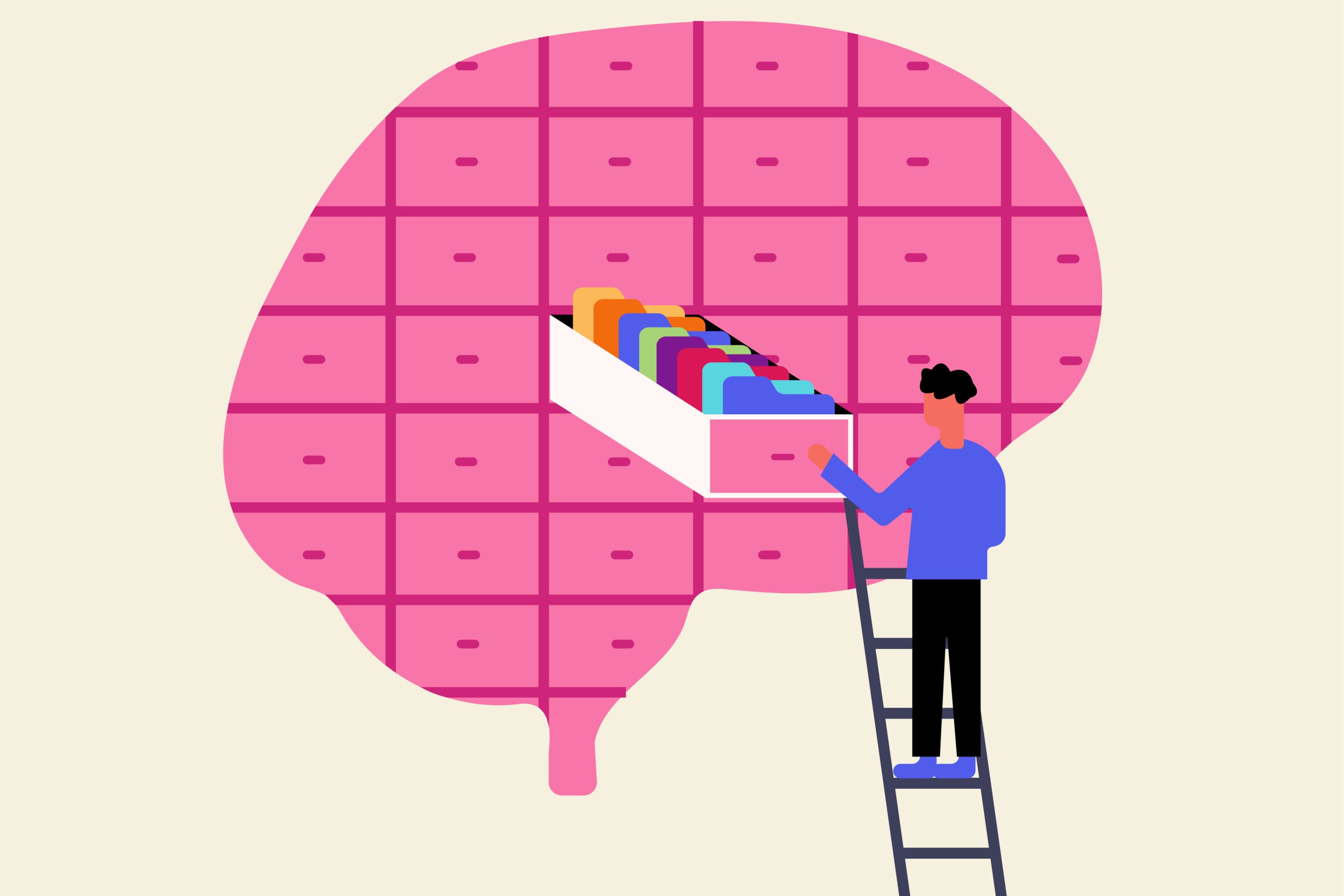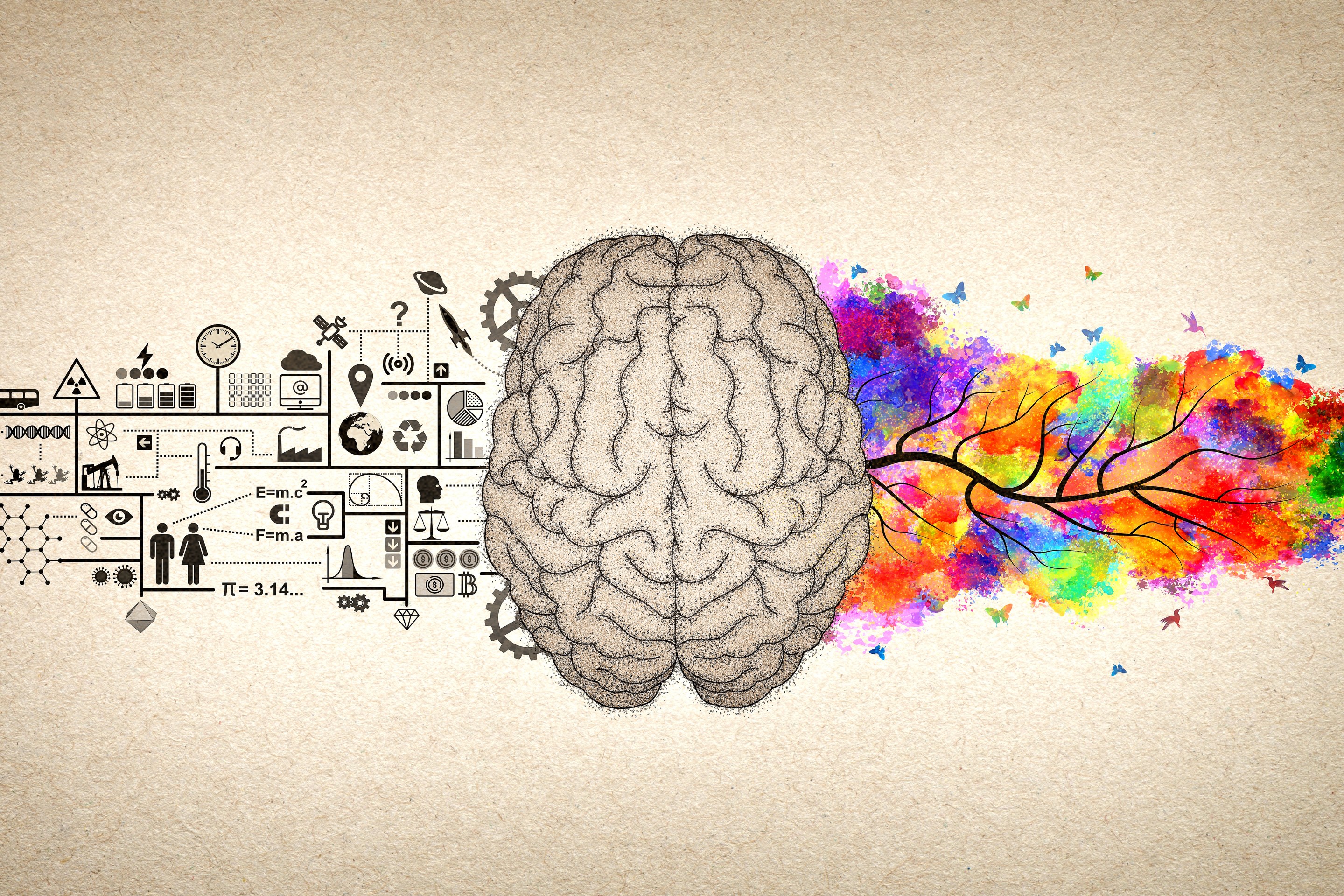
Right now, you can probably close your eyes and picture lots of things from your past: your favorite childhood toy, the face of your first crush, the most embarrassing moment of your life, and so on. But what’s going on in the brain when you conjure an image in your mind’s eye? According to new research published in Science, it involves the same neurons you use to see these things in the first place.
To investigate the inner workings of our imaginations, neuroscientists from Cedars-Sinai Medical Center turned to epileptic patients who already had electrodes implanted in their brains for diagnosing their seizures. They showed the subjects images of faces and objects, then later asked them to mentally recall them, all while recording electrical activity of hundreds of neurons.
They found that viewing the images caused activity in the fusiform gyrus, a structure in the temporal and occipital lobe responsible for high-level visual processing. Researchers were able to parse which aspects of the images 80 percent of the neurons reacted to, revealing their neural code. When the subjects were asked to recall the images in their mind’s eye, 40 percent of these neurons reactivated using the same code, indicating significant overlap in the neurons we use to perceive things and neurons we use to recall them.
Read more: “My Brain Doesn’t Picture Things”
“We generate a mental image of an object that we have seen before by reactivating the brain cells we used to see it in the first place,” study co-author Ueli Rutishauser said in a statement. “Our study revealed the code that we use to re-create the images.”
But how were they able to crack this code? Using artificial intelligence, of course.
“We used deep visual neural networks to create numerical descriptions of objects so that we could understand the neurons’ code,” study co-author Varun Wadia explained. “We then verified the code by using generative AI to create never-before-seen images and correctly predict the brain’s responses to these images.”
Researchers say this new study could lead to better therapies for mental illnesses involving overactive mental imagery, including anxiety, schizophrenia, and post-traumatic stress disorder. Who knows, one day it might even stop you from reliving that embarrassing moment that keeps you up at night. 
Enjoying Nautilus? Subscribe to our free newsletter.
Lead image: JEGAS RA / Adobe Stock