When Ötzi the Iceman was felled by an arrow 5,300 years ago, he didn’t die hungry. According to an analysis of his stomach contents, his final meal consisted of fat and dried wild meat from ibex and red deer, along with wheat and fern. Now, new research published in the journal Microbiome is shedding light on the microorganisms that helped him digest that food—some of which survive to this day.
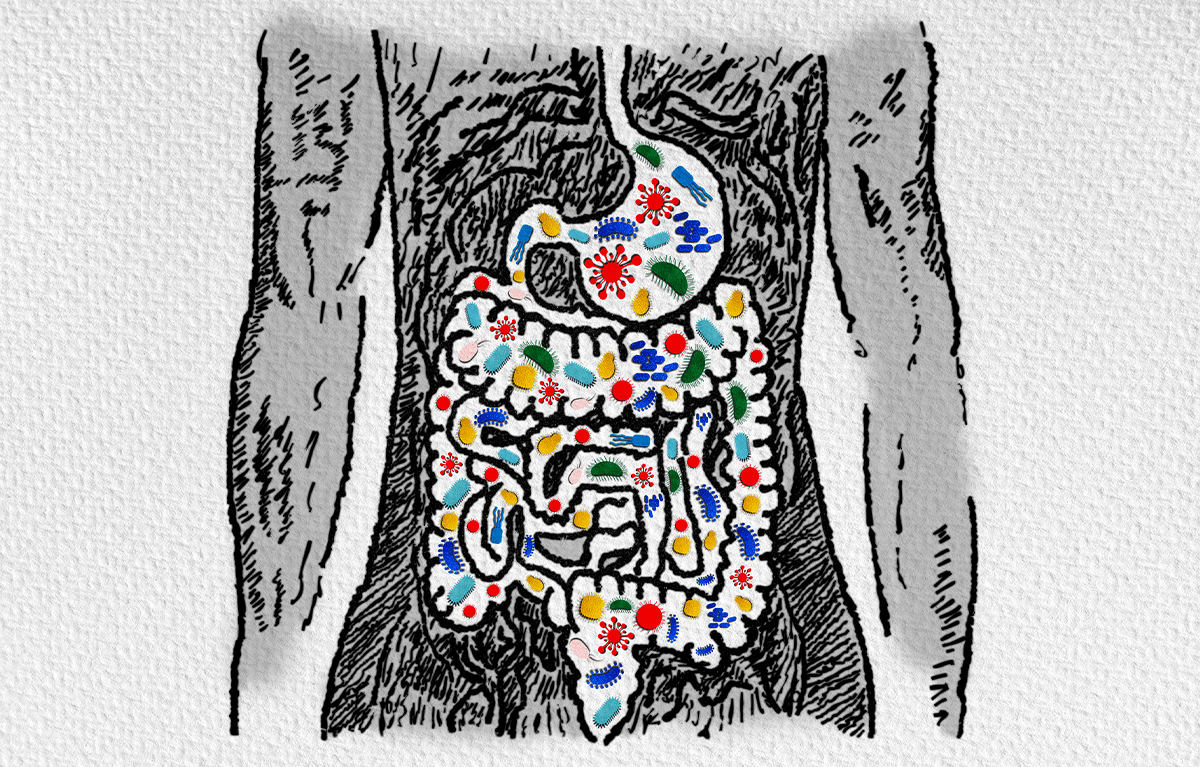
Microbiologists from Eurac Research analyzed a variety of samples taken from the mummified iceman’s tissues over the years and sequenced the genetic material. They found that Ötzi’s gut biome included several species of anaerobic bacteria including Treponema succinifaciens and Huintestinicola butyrica—two species that are rarely found in the guts of modern humans.
Read more: “How the Western Diet Has Derailed Our Evolution”
Samples from Ötzi’s skin, stomach contents, and meltwater from his body also revealed ancient strains of cold-adapted yeast. According to the researchers, these species originated from Ötzi’s glacial surroundings. “We see continuity here,” study co-author Frank Maixner of Eurac Research said in a statement. “These yeasts have accompanied Ötzi on his long journey through the millennia.”
However, the yeast population has changed in recent years. Comparing samples taken nine years apart showed that three of the four yeasts had developed the capacity to break down phenol—a chemical used to disinfect the iceman’s body. Researchers say it’s likely that efforts to preserve the mummy created selectional pressure that favored the phenol-eating microorganisms.
“A mummy’s microbiome is unique because we’re dealing with microbes that are over 5,000 years old and, at the same time, with modern microbes that have been introduced since the discovery,” study co-author Mohamed S. Sarhan said.
While Ötzi has been dead for over 5,000 years, the micro ecosystem surrounding his mummified remains is alive and well. 
Enjoying Nautilus? Subscribe to our free newsletter.
Lead image: ArtemisDiana / Adobe Stock