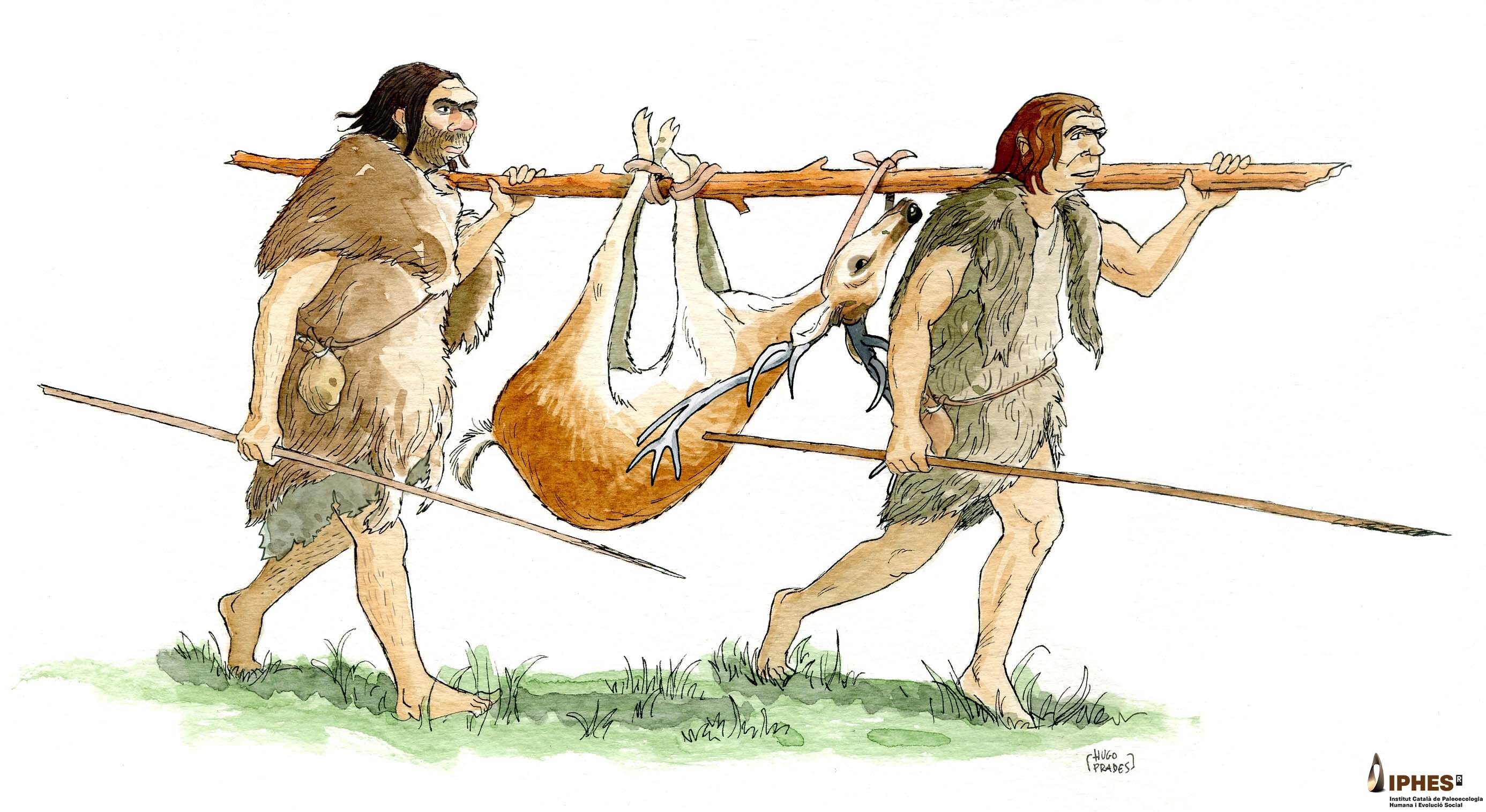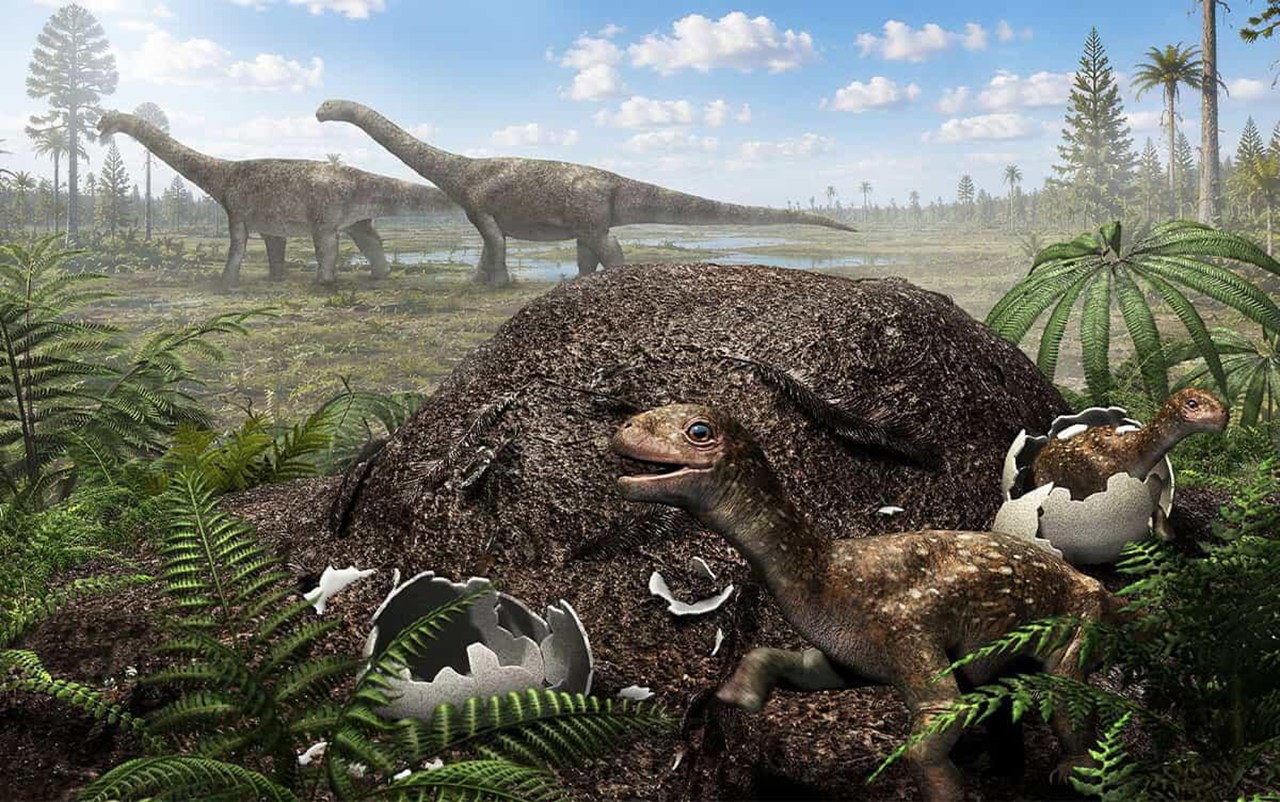
Early Europeans shared their habitats with some formidable creatures, including straight-tusked elephants that stood almost 13 feet tall. Still, archaeological evidence from a site in England has shown that either Neanderthals (Homo neanderthalensis) or Homo heidelbergensis took advantage of these co-inhabitants as sources of raw materials—by, for example, using their bones to make hammers. A study published today in Science Advances sheds light on the elephant perspective.
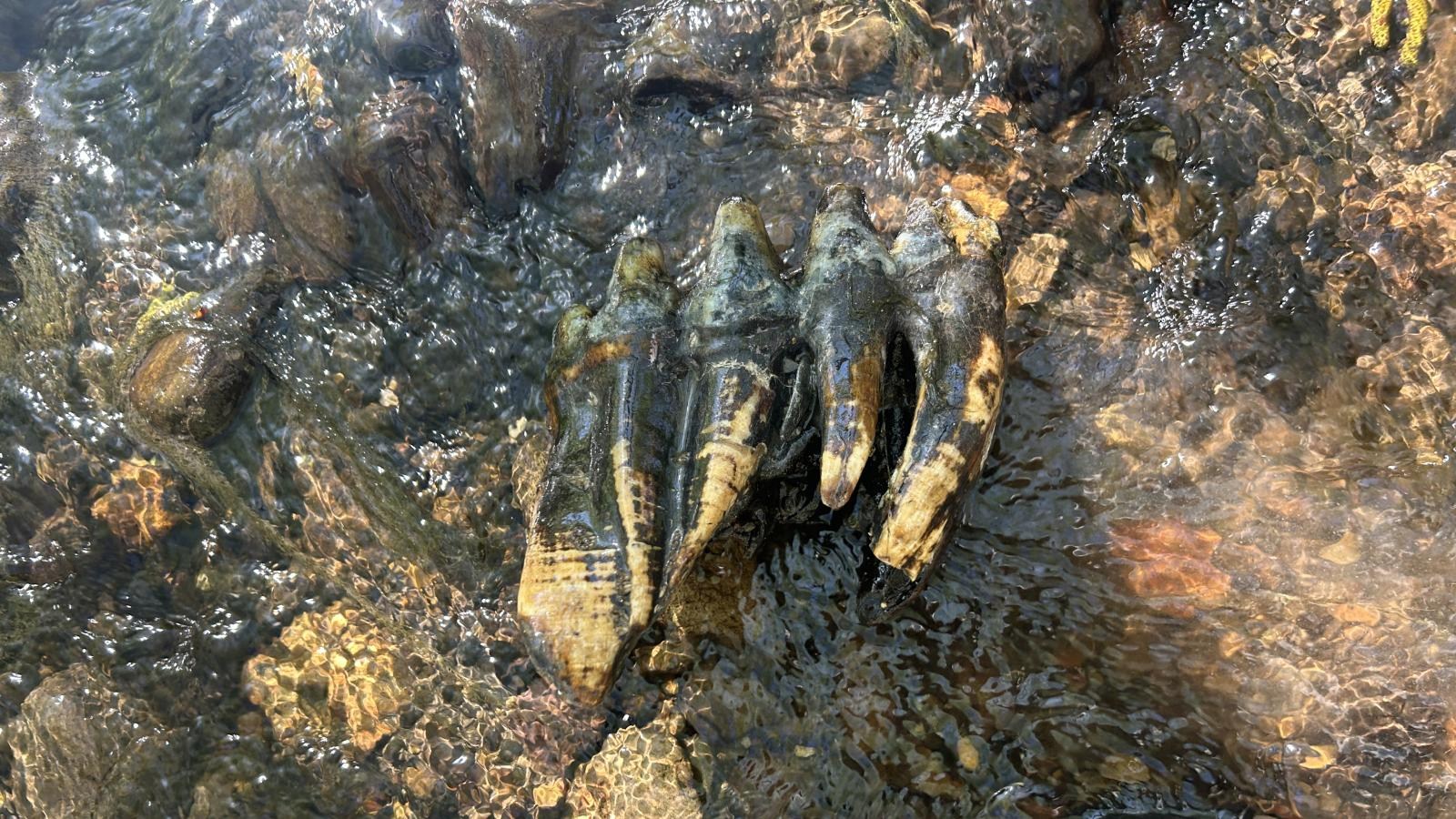
Researchers from Italy, Germany, and the United States investigated the lives of straight-tusked elephants (Palaeoloxodon antiquus) through evidence embedded in their teeth. These elephants were a forest species, found associated with woodlands across Europe during the Pleistocene. Their tooth pattern and wear suggest a herbivorous diet that included both grazing and browsing, per an earlier study. But how straight-tusked elephants moved about their habitats was unknown.
Read more: “Where the Wild Things Go”
The study authors analyzed fossilized tooth enamel from straight-tusked elephants at the 125,000-year-old “Neumark Nord” site in Germany, where elephant remains accumulated by a lake as Neanderthals hunted and butchered them. For four molar cross sections (from three males and one likely female), a combined analysis of isotopes (elements including carbon and strontium) and paleoproteomes (ancient proteins) was applied. While carbon isotopes reveal diet, strontium—as it moves through soils and the food chain into teeth—reveals where an animal has traveled.
In this study, two of the males had elevated strontium ratios that didn’t match the available strontium at Neumark Nord. The study authors concluded that they had migrated from substantial distances away, one of them likely from as far as 186 miles. Modern elephants in both Africa and Asia are known to migrate, often between seasonally distinct home ranges and for distances up to 435 miles. So, the migrations of these Pleistocene giants were in keeping with what we know about elephant habits today. Furthermore, despite all four elephants ending up at Neumark Nord, the isotope signatures in their tooth enamel suggest that they came from different home ranges.
Ultimately, though, this particular migration wasn’t a good thing. Because it was at Neumark Nord that they met the Neanderthals—and subsequently, their cruel fate. 
Enjoying Nautilus? Subscribe to our free newsletter.
Lead image: tya.studio and CreativeT-Shirt Designs / Shutterstock