ADVERTISEMENT
Nautilus Members enjoy an ad-free experience. or Join now .

Unravel the biggest ideas in science today. Become a more curious you.

Unravel the biggest ideas in science today. Become a more curious you.

The full Nautilus archive eBooks & Special Editions Ad-free reading

  • The full Nautilus archive
  • eBooks & Special Editions
  • Ad-free reading
Join

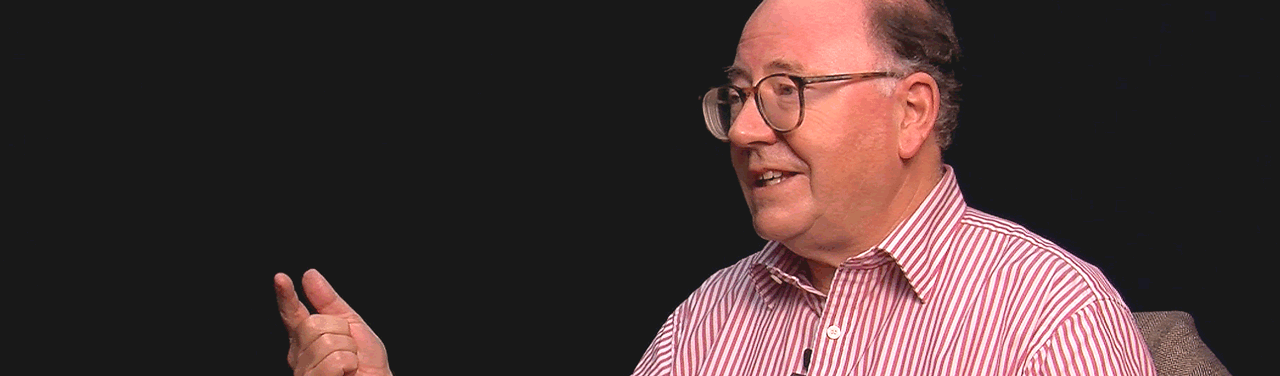
When Richard Holmes, author of brilliant biographies of Shelley and Coleridge, started writing about science, “a lot of my old literary friends said, ‘Richard, what the hell are you doing?’ ” Holmes said with a merry laugh. “But I’m interested in the factual form. That’s where I can tell human stories. So it absolutely led on naturally.”

Nautilus Members enjoy an ad-free experience. Log in or Join now .

The gregarious Holmes, 68, could give Falstaff a run for his money holding pub-goers enraptured with bottomless stories. He stopped by Nautilus to talk about his latest book, Falling Upwards, a jubilant history of ballooning, and a natural sequel to his widely acclaimed 2008 book, The Age of Wonder: How the Romantic Generation Discovered the Beauty and Terror of Science.

Like The Age of Wonder, Holmes said, Falling Upwards explores “the interface between science and imagination.” It also showcases the “dash and eccentricity” of the balloonists themselves—history as told by the adventurous in spirit. In our video interview, Holmes, who is also featured in the latest Nautilus Quarterly, relates, with wonderful insight and wit, how ballooning launched the science of flight. “Every balloon has a basket, and every basket has a story,” he said.

ADVERTISEMENT
Nautilus Members enjoy an ad-free experience. Log in or Join now .

View Video

Why ballooning?

ADVERTISEMENT
Nautilus Members enjoy an ad-free experience. Log in or Join now .

What’s it like to float above the earth?

Who’s the most influential balloonist?

How did ballooning impact science?

ADVERTISEMENT
Nautilus Members enjoy an ad-free experience. Log in or Join now .

What’s the “terror of science”?

What did scientists learn from poets?

What did scientists learn from storytelling?

ADVERTISEMENT
Nautilus Members enjoy an ad-free experience. Log in or Join now .

How did Romantic poets and scientists intersect with the church?

Fuel your wonder. Feed your curiosity. Expand your mind.

Access the entire Nautilus archive,
ad-free on any device.
1/2
FREE ARTICLES THIS MONTH
Become a Nautilus member at our lowest price of the year.
Subscribe @ 25% off
2/2
FREE ARTICLES THIS MONTH
This is your last free article. Get 25% off for a limited time.
Subscribe @ 25% off