It might not sound too tasty to us, but some animals snack on hornets, stingers and all, including certain spiders, birds, and frogs. Hornet stings can trigger powerful pain, heart issues, and even death in some species, yet others seem to eat them up without issue.
It’s unclear how such daring predators stomach these venomous victuals—they might endure the stings, or just manage to evade them before swallowing. Researchers have found hornets in frogs’ stomachs, for example, but scientists haven’t yet figured out how they seem to pull off the gustatory feat.
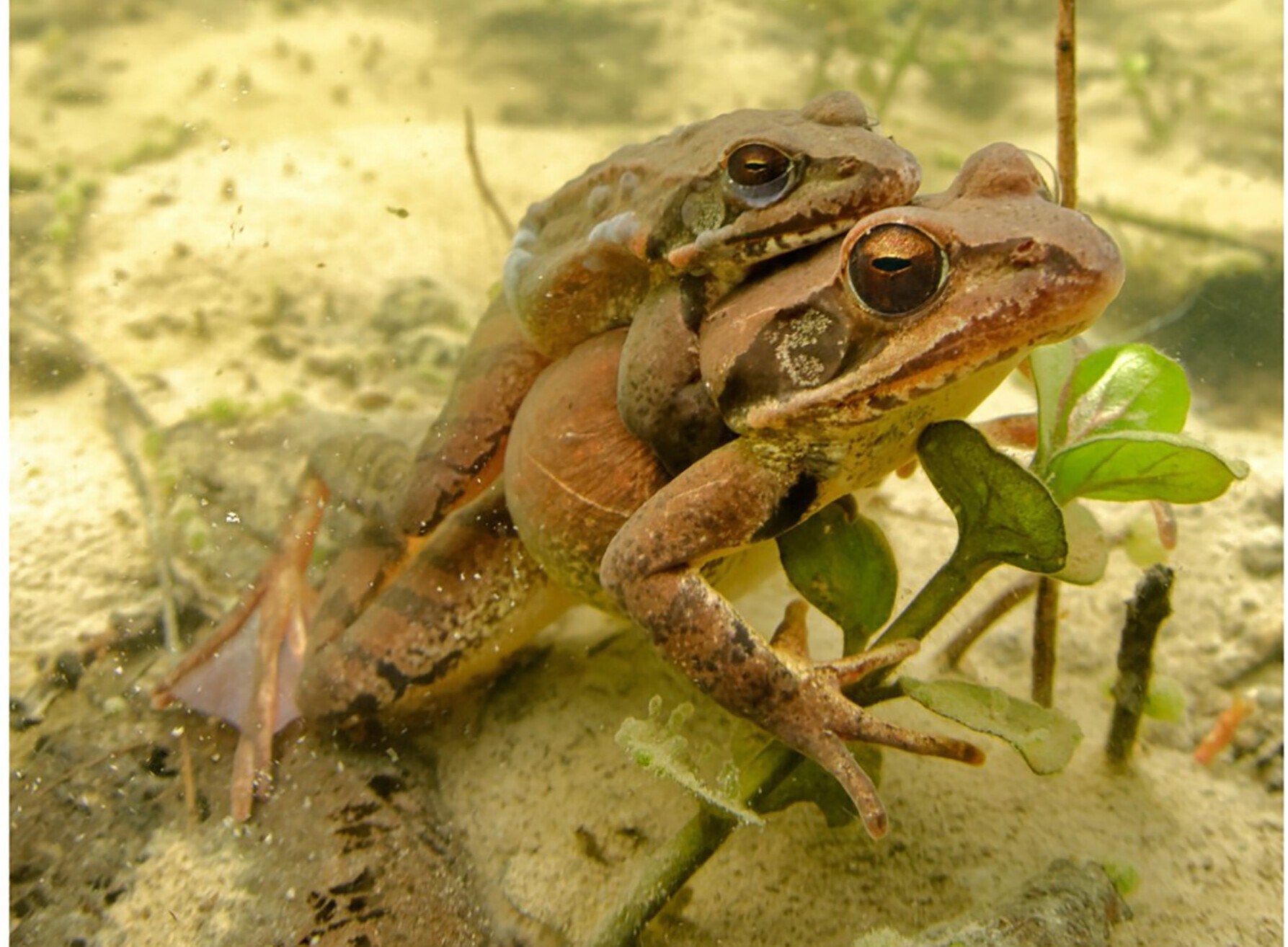
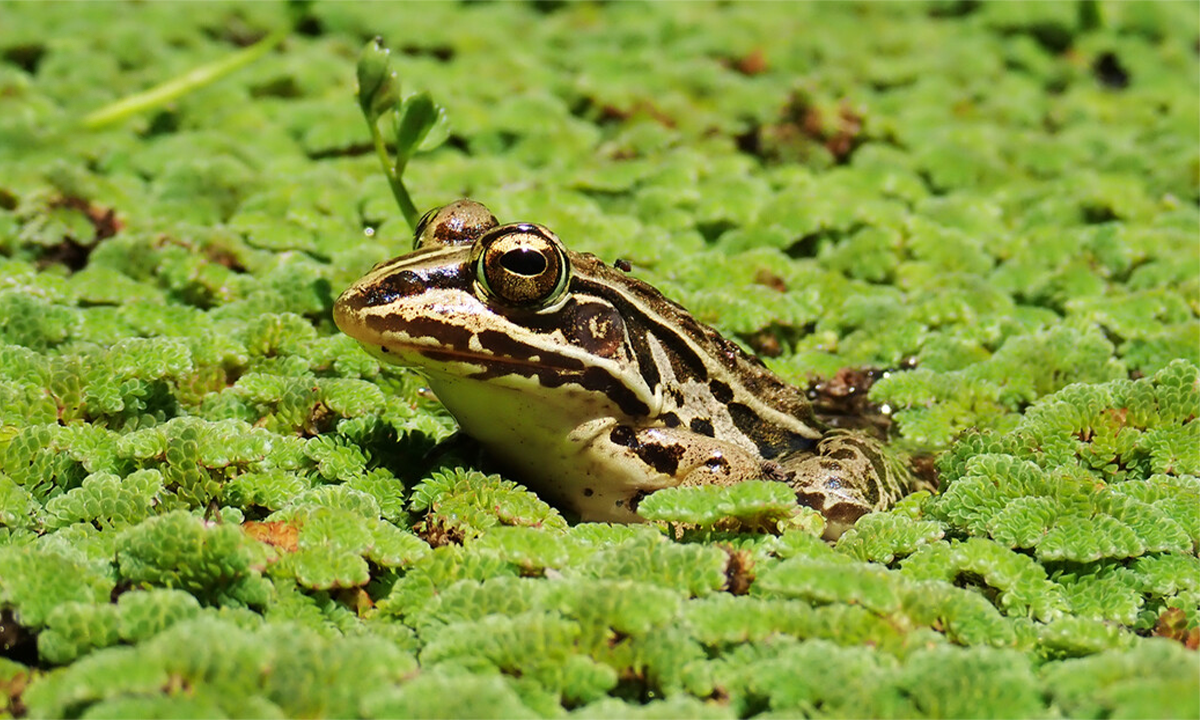
To learn more, Shinji Sugiura, a biologist at Kobe University in Japan, offered adult pond frogs three species of Japanese worker hornets in the lab. He paired frogs with hornets that corresponded to their size, so the larger frogs were placed with the Asian giant hornet—also known as the notorious murder hornet.
Sugiura observed that adult frogs seemed to strike these hefty insects of their own volition, and the majority of them ate the hornets, he reported in the journal Ecosphere. Many of the frogs swallowed their prey despite getting stung in the eyes, face, tongue, or throat on the way down the hatch. Ultimately, none of the frogs suffered any injuries or died. He noticed that bigger frogs seemed to have a higher tolerance for hornet stings as they were more successful in munching on larger hornets.
“While a mouse of similar size can die from a single sting, the frogs showed no noticeable harm even after being stung repeatedly,” Sugiura said in a statement. “This extraordinary level of resistance to powerful venom makes the discovery both unique and exciting.”
Read more: “The Caterpillars That Can Kill You”
This finding suggests that the pond frog is tolerant to both the pain and deadliness of hornet stings. It’s possible that toads, frogs, and other predators that swallow their prey whole have specialized digestive systems that “enable them to tolerate toxic, spiny, or stinging prey,” Sugiura wrote in the paper. Frogs might also have some sort of adaptive molecular mechanism, such as specific proteins, that enables them to render toxic hornet venom harmless and block pain signals.
Now, Sugiura hopes to learn more about the frog’s defenses against stings, which could help demystify how certain vertebrates shrug off these natural weapons while they prove fatal for others. 
Enjoying Nautilus? Subscribe to our free newsletter.
Lead image: Sugiura, S. Ecosphere (2025)