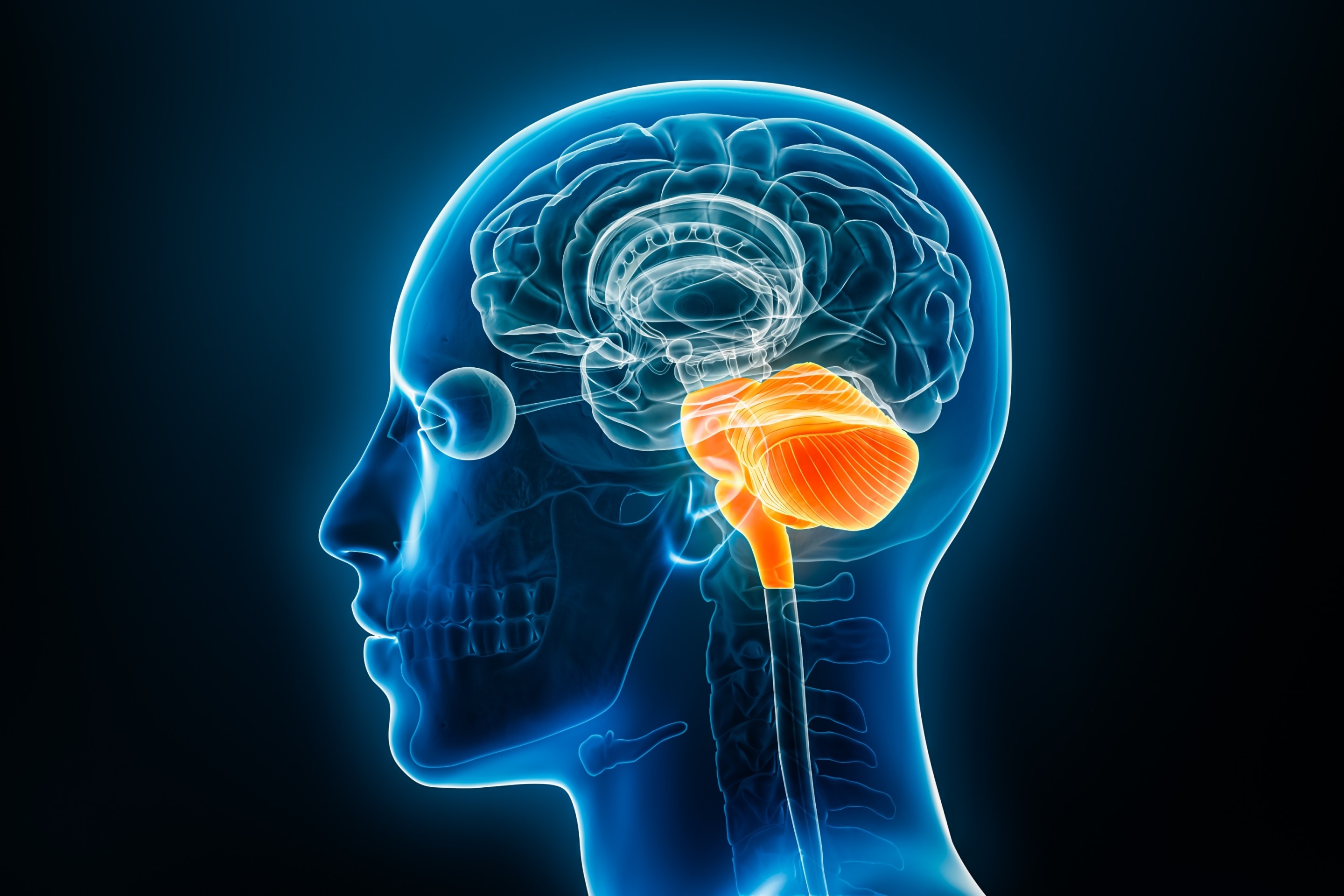
The fact that you’re able to read this right now is a true marvel of evolution. And being able to translate abstract marks into cogent thoughts is just one of the magnificent functions our brains perform for us on a daily basis. But what exactly makes our brains so uniquely capable of these wonders?
Considering the spectrum of brain sizes the animal kingdom offers, ours aren’t especially large (although they’re big relative to our bodies). They do pack in a lot of neurons, but not orders of magnitude more than our distant great ape cousins. In fact, according to a new study published in the Proceedings of the National Academy of Sciences, we might owe our marvelous brains to the unique structure of our individual neurons.
Read more: “The Neuron’s Secret Partner”
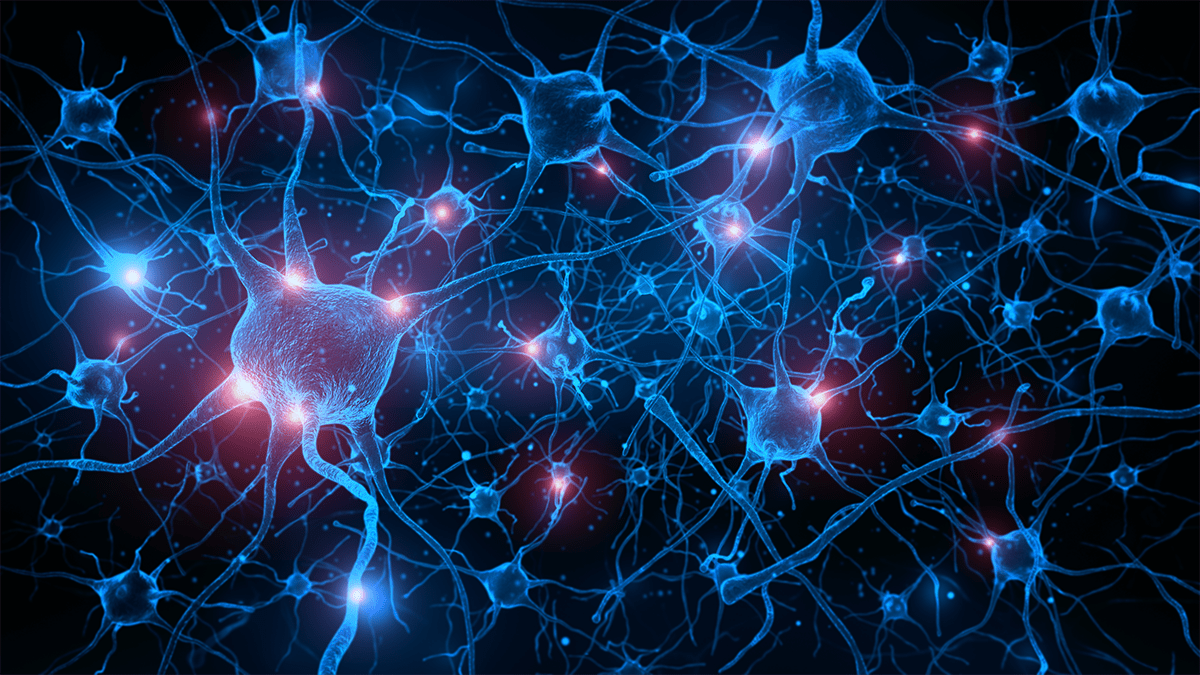
In a kind of simulated John Henry-type experiment, neuroscientists from Hebrew University compared the computational power of an artificial neural network and a single brain cell using advanced computer models and artificial intelligence. Their results showed that even a single neuron from the human cortex was surprisingly powerful, capable of carrying out complex computations on its own.
The researchers say our neurons’ cognitive potency comes from its unique structure. Compared to those of other mammals, human neurons have a higher number of branches, splitting off into more sophisticated patterns, which gives the cells a much greater surface area. Taken together, these features allow our brain cells to compartmentalize processing, essentially making them capable little computers all on their own. “People often think of a neuron as a simple switch that either turns on or off,” study author Idan Segev explained in a statement. “What we show is that a single human neuron is itself an extraordinarily sophisticated computing device.”
Multiply that by 86 billion, and you’ve got the kind of biological computer that can solve the Wordle in three guesses. 
Enjoying Nautilus? Subscribe to our free newsletter.
Lead image: onimate / Adobe Stock