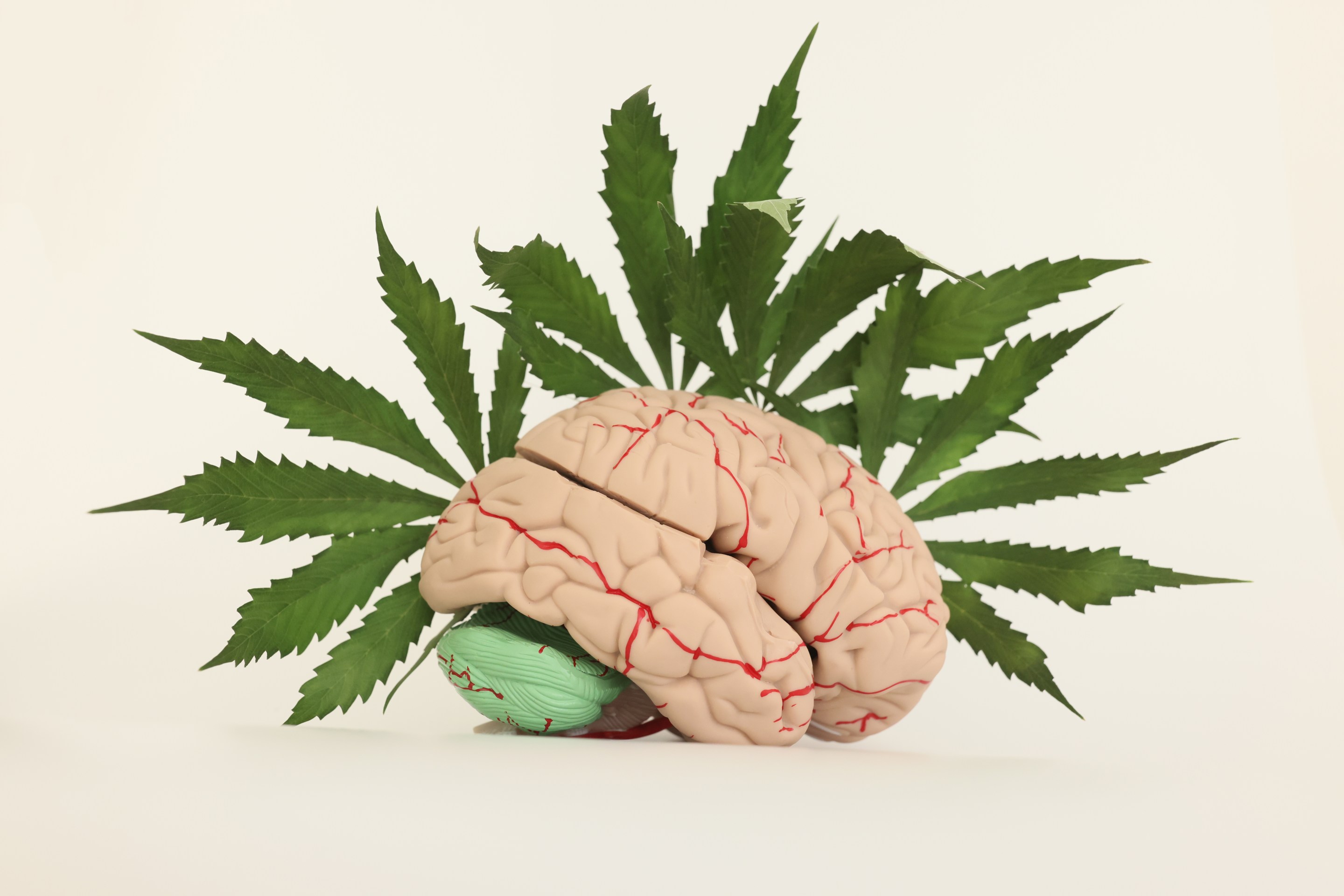
In 1974, Pfizer developed a synthetic cannabinoid that mimicked the effects of tetrahydrocannabinol (THC), but was around 40 times stronger. Unfortunately, this synthetic super weed was never marketed. Instead, it’s used to test the effects of THC on lab animals, like the mice in a new Nature study. Using cannabis (as you may know from firsthand experience), can be very relaxing, but it can also produce anxiety. It turns out mice experience the same thing. Now scientists might know what’s going on in the brain during a bad trip.
Neuroscientists from Northwestern University dosed a group of mice with different levels of the synthetic cannabinoid (called CP55940) and placed them in an enclosure with a petri dish of fox urine. Confronted with the scent of a predator, control mice would approach the dish to investigate, give it a few sniffs, and run away. Mice under the influence of CP55940, on the other hand, resisted the urge to investigate and tended to freeze more often.
Read more: “Is Cannabis Good for Your Heart?”
To get a look at what was going on inside the rodents’ brains, the researchers implanted tiny microscopes in their heads targeted at the brain’s central amygdala, where fear and stress are processed. They traced the anxious behavior to a small bundle of neurons that secrete the inhibitory hormone somatostatin. According to the team, the synthetic cannabis released the natural “brake” on these neurons, allowing them to become hyperactive in the presence of an environmental stressor. When they genetically silenced these neurons, the anxious behaviors stopped.
“The results of this study could explain why a good trip can turn bad pretty quickly if people consume too much cannabis or the situation they are in turns stressful or scary,” study author Sachin Patel explained in a statement.
Importantly, the implications of these findings extend beyond knowing the neurological mechanics of buzz-harshing. Anxiety and mood disorders are steadily climbing in the general population, and according to the team, this dynamic might provide a new therapeutic target. “Suppressing the activity of somatostatin neurons in the central amygdala could represent a final pathway for reducing anxiety symptoms, not just in the context of cannabis side effects,” Patel explained.
Whether it’s with cannabis or not, we could all stand to mellow out a bit more. 
Enjoying Nautilus? Subscribe to our free newsletter.
Lead Image: megaflopp / Shutterstock