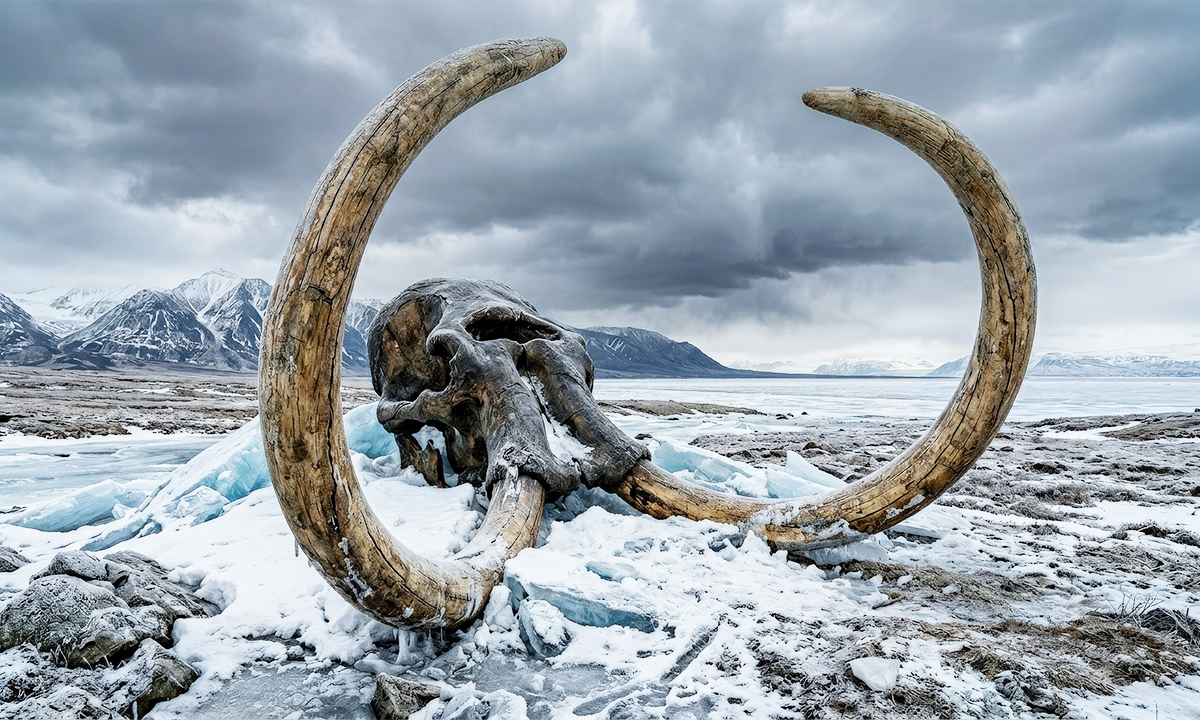
Between 50,000 and 10,000 years ago, life on Earth experienced a drastic change—the extinction of several megafaunal mammal species. In the Americas, these massive mammals include giant groundsloths, huge woolly mammoths, and armadillos the size of Volkswagen Beetles, to name a few. According to a study published today in the Proceedings of the National Academy of Sciences, the loss of these enormous animals reverberated throughout the food web, and the ripples continue to this day.
Ecologists from Michigan State University arrived at that conclusion after analyzing present-day data on predator-prey relationships from 389 sites spread across the tropics from the Americas to Africa to Asia. While they saw the effects of the vanishing megafauna in all regions, they were particularly pronounced in the Americas, where more than 75 percent of mammals weighing over 100 pounds disappeared in the last 50,000 years.
Read more: “What Happened to Ancient Megafauna?”
For example, when large prehistoric deer in South America died off, saber-toothed cats and dire wolves went hungry. “A lot of the lower part of the food web was lost,” study author Chia Hsieh said in a statement.
Even though they occurred millennia ago, the effects of these extinctions are still impacting ecosystems. Compared to Africa and Asia, predators living in the Americas today are fewer in number and don’t have as many different prey to choose from—and the prey that are available are smaller, with narrower ranges of movement.
Why were Africa and Asia relatively spared? In part because they still have many of their megafaunal species, like elephants, lions, rhinoceroses, and oxen. Still, many of those animals are endangered today, and the ecologists’ next step is to investigate whether past extinctions make living animals more vulnerable.
When these huge creatures are gone, they’re gone for good—and they leave some pretty big shoes to fill. 
Enjoying Nautilus? Subscribe to our free newsletter.
Lead image: Coosh448 / Adobe Stock