We hear a lot these days about aging human populations. Projections show the number of Americans 65 years old or older increasing by a whopping 42 percent from 2022 to 2050, according to United States Census Bureau stats. And, based on this graphic, many other countries rank even more top-heavy in elderly people, thanks to healthcare advances that promote longevity, coupled with declining reproduction rates.
But it’s not just humans that face a demographic crisis. A study published yesterday in PNAS demonstrates that captive mammals in zoos—thanks to advances in animal husbandry—are also living longer. As zoos get too crowded as a result, they’re curtailing reproduction, simply because they don’t have the space to offer. With captive breeding playing an increasingly important role in keeping endangered animal species on the planet, they’ve been characterized as collectively comprising the “Millennium Ark.”
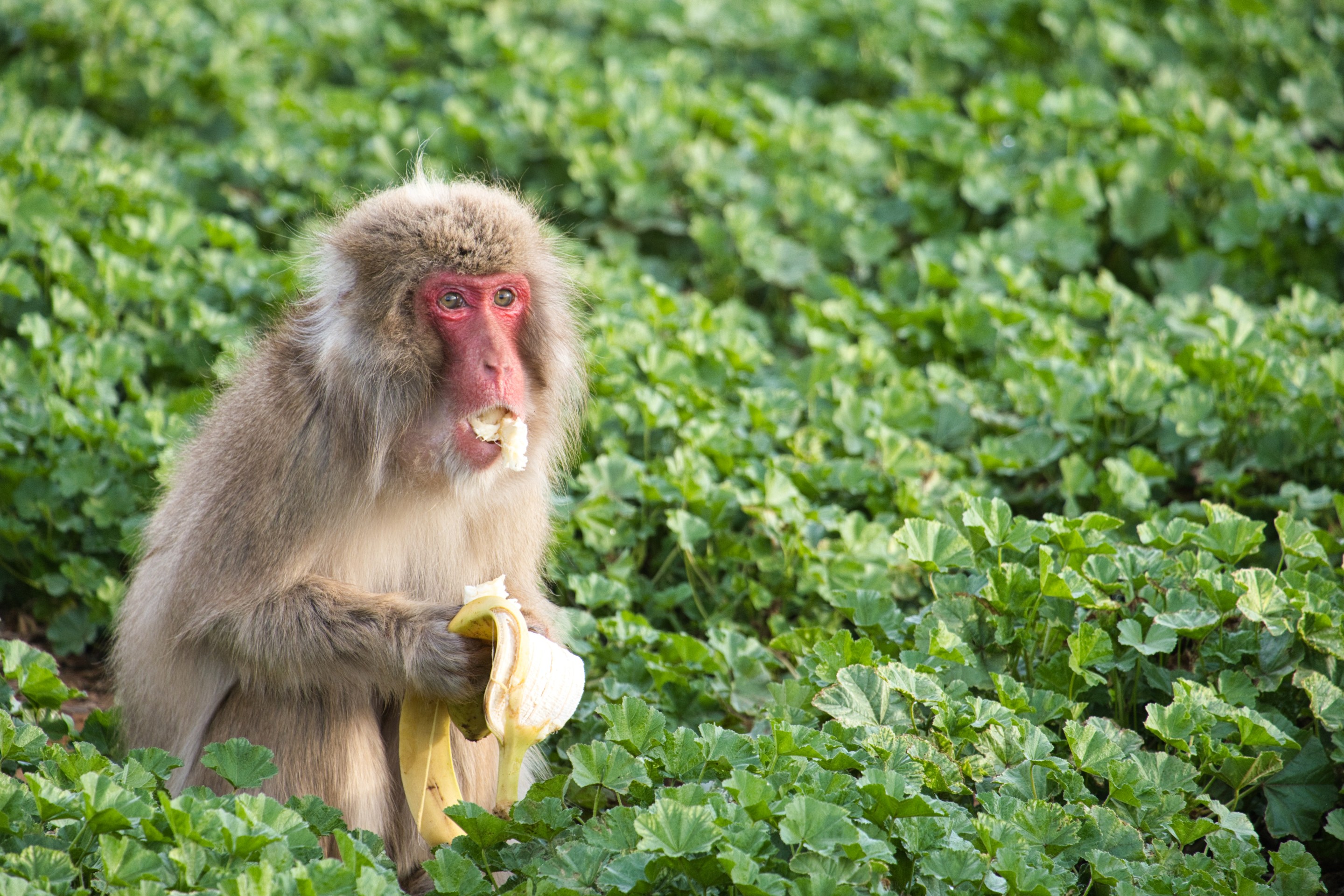
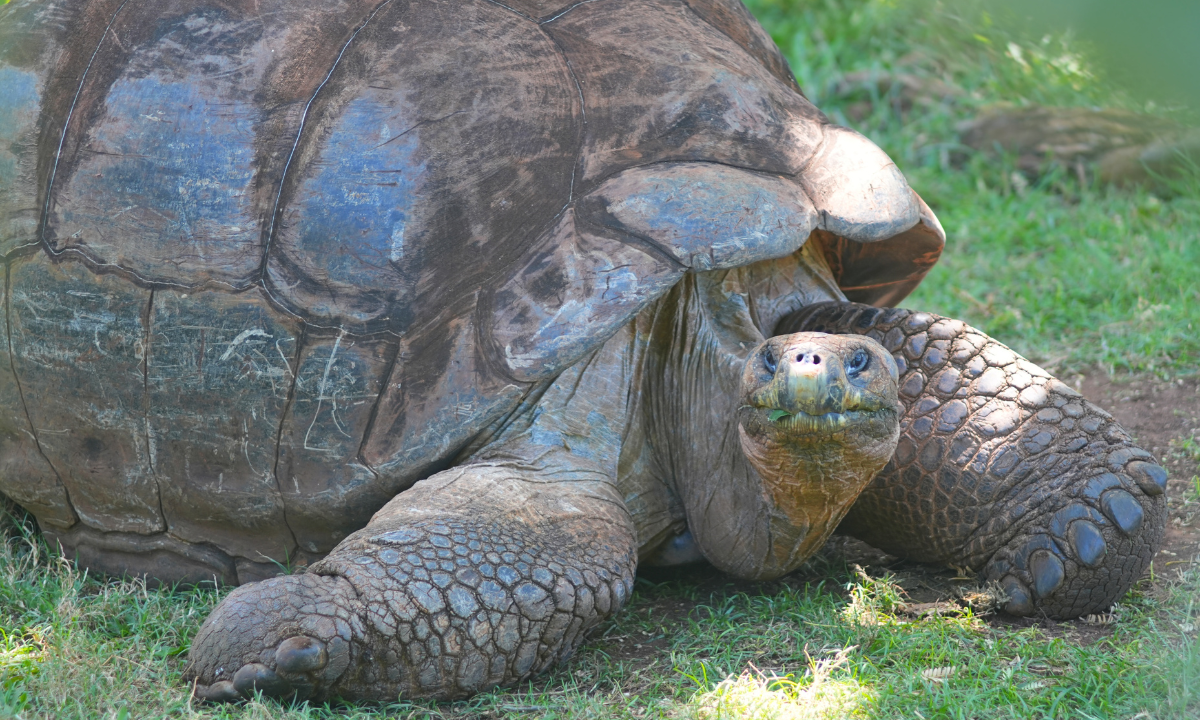
Led by zoo population biologist João Pedro Meireles, researchers from the University of Zurich Clinic for Zoo Animals explored the demographic trends of 774 mammal populations in European and American zoos from 1970 to 2023. Zoo animals, such as this chimp, are now typically outliving their wild counterparts, which showed up in the data as increases in the average proportion of senior animals. The trend held regardless of geographic region, taxonomy, conservation status, and management strategy of the particular zoo.
Read more: “Why Elephants Rarely Get Cancer”
Along with the median age of animals increasing, captive reproduction is on the decline. “For the high-priority populations, 76 percent in North America and 79 percent in Europe had decreasing trends for the proportion of actively reproducing females,” wrote the study authors in the paper. Older mammals naturally have lower reproductive rates; even for species that don’t experience menopause, the chance of successful reproduction decreases with age. Also, as zoos get overcrowded, they resort to limiting reproduction via hormonal contraception, castration, or just by keeping males and females apart.
In graphing the demographics of the zoo populations, the paper’s researchers found that the pyramidal shapes typical of healthy, breeding populations have shifted toward diamond shapes, with a bump of aging individuals from limited reproduction.
Citing long-standing warnings that “the Millennium Ark is sinking,” Meireles and his coauthors caution that the aging mammal population “fundamentally jeopardizes the long-term capacity of zoos to harbor insurance populations, facilitate reintroductions of threatened species, and simply maintain a variety of self-sustaining species programs.”
The improvements in animal care that have led to the aging population problem are laudable, but must now be accompanied by more zoos, more space in zoos, or a reallocation of existing space to favor endangered species, even if it means reducing how many species a zoo holds. 
Enjoying Nautilus? Subscribe to our free newsletter.
Lead image: MJM Pictures / Shutterstock