How do you know the long-haul trucker in the 18-wheeler zooming down the highway next to you had a good night’s sleep? You don’t.
While there are strict federal rules prohibiting driving for long periods without intervals of rest, there’s no provision that drivers have to spend that time sleeping. There’s also no way to tell if they’ve slept. But according to new research published in the Journal of Proteome Research, that could be about to change.
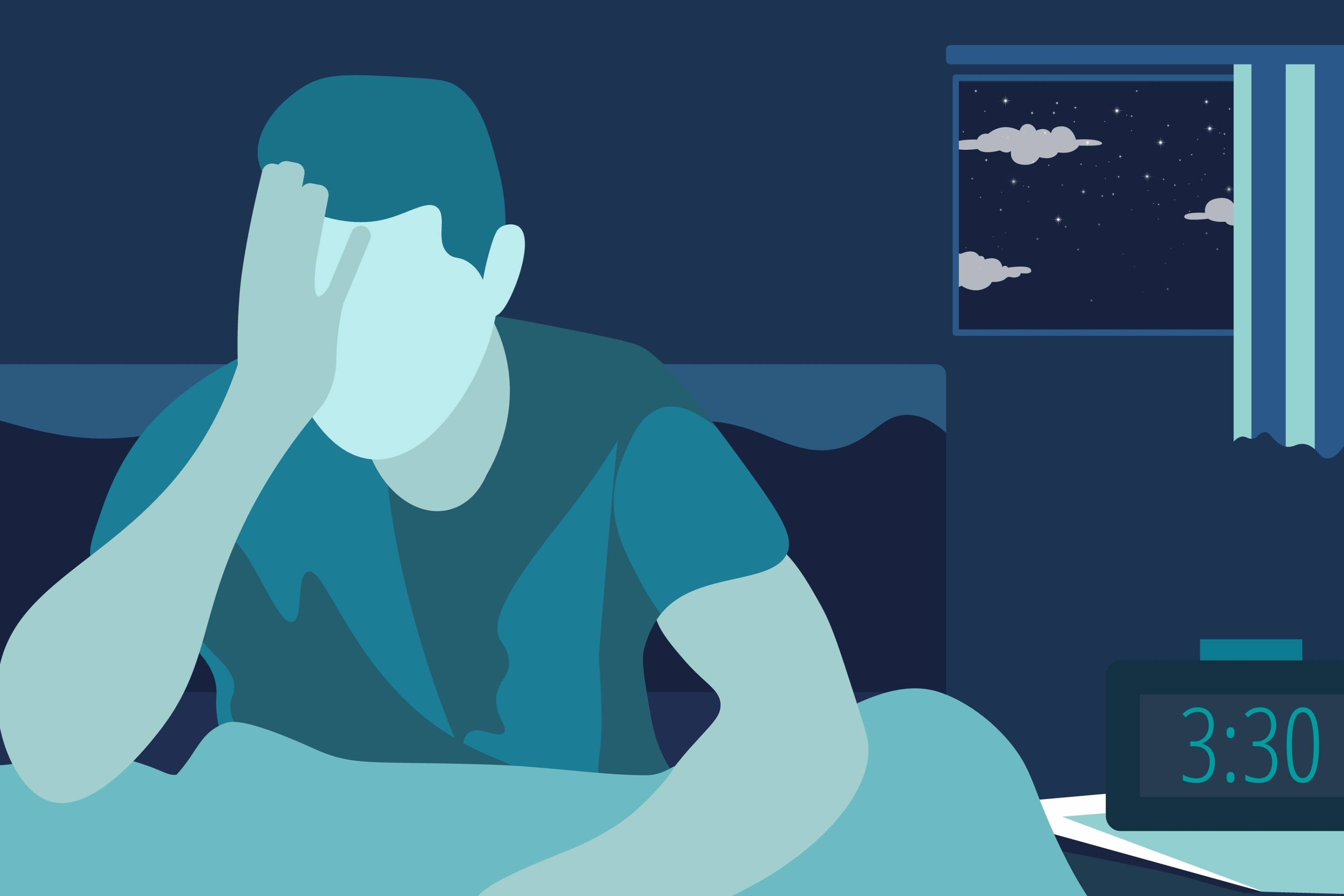
Forensic pharmacologists from the American Chemical Society recruited 20 healthy men who reported getting between seven to nine hours of sleep a night (lucky them). The team then took samples of their saliva before and after three different sleep scenarios: one night without sleep (sleep deprivation); four nights with two hours’ less sleep than usual (sleep restriction); and consistent nights with around eight hours of sleep (well-rested).
Read more: “The Creative Sweet Spot of Dreaming”
Comparing the chemical compositions of the spit samples allowed the researchers to determine how their salivary metabolome changed when the study subjects weren’t well-rested. The salivary metabolome contained in sleep-restricted samples was similar to the well-rested condition, but they found 10 molecular differences between samples from well-rested vs. sleep-deprived men (for example, sleep deprived men showed a decrease in vitamin B5). From those differences, the researchers were able to develop a test that was capable of differentiating sleep-deprived spit from well-rested spit 94 percent of the time. In other words, a metabolic fingerprint for sleepiness.
“Until now, sleep deprivation has been impossible to measure biochemically—and yet it’s one of the greatest burdens of our time,” study author Thomas Kraemer said in a statement. “This study introduces the first direct biomarkers of sleep loss in saliva under real-world conditions, marking a milestone in forensic investigations.”
Stilll, the study is based on a relatively small sample size and tested only men. While it’s an intriguing proof-of-concept, the team says there's more research to be done until the test is ready for prime time. But one day we may be able to find out how sleepy someone is just from their spit. 
Enjoying Nautilus? Subscribe to our free newsletter.
Lead image: Rob Goebel / Adobe Stock