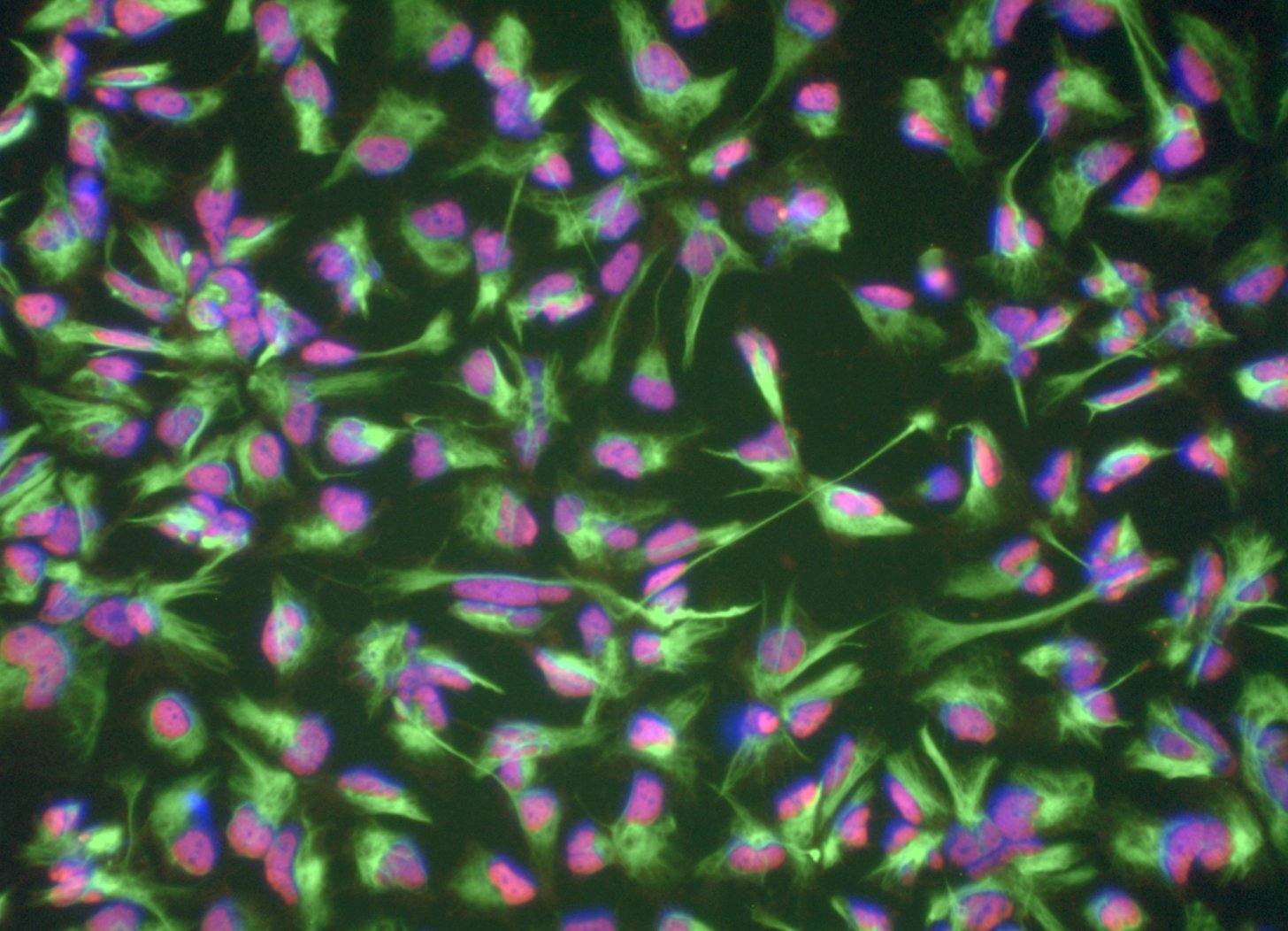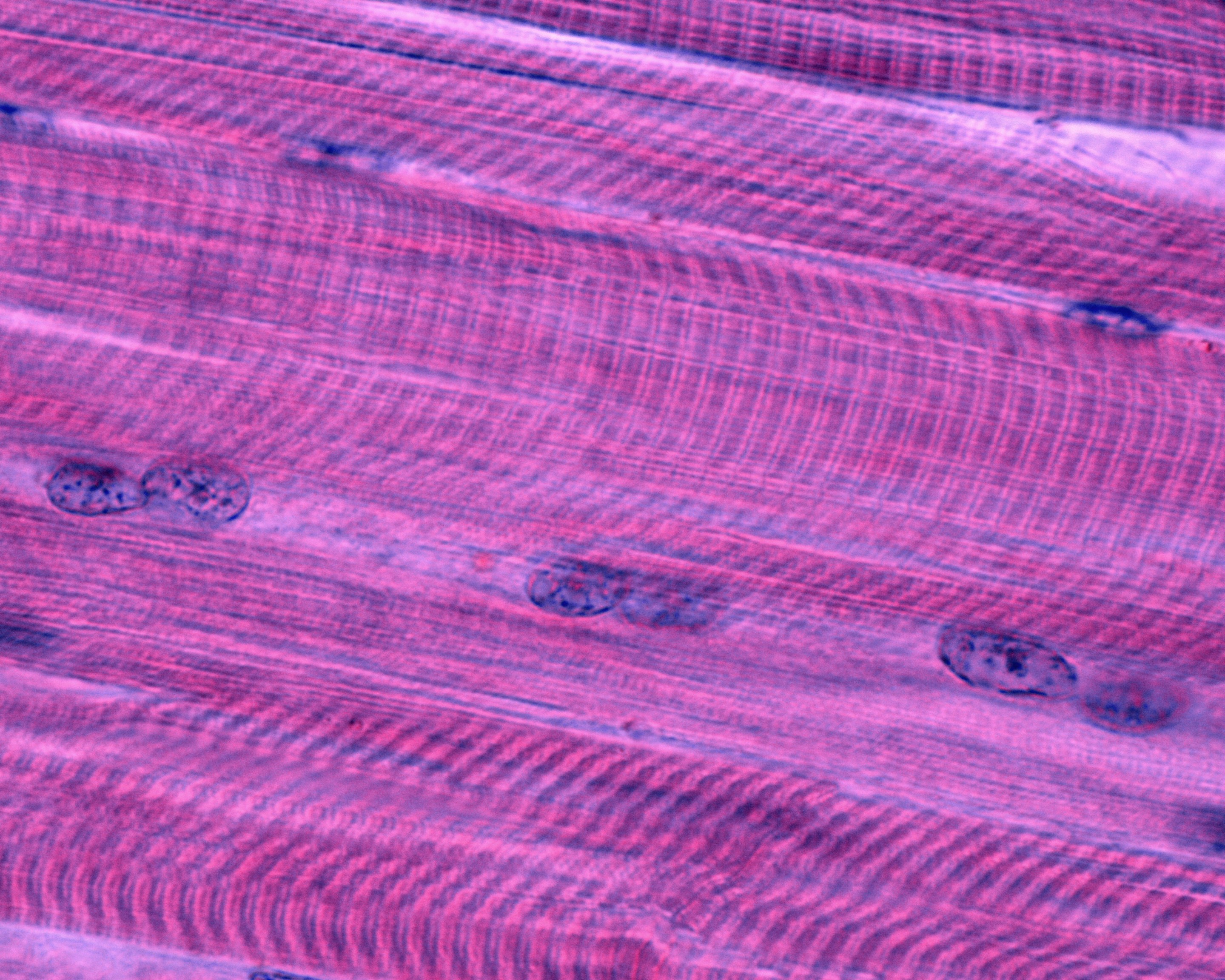
When it comes to the skeletal muscle we use to move around, there are two general types: fast twitch and slow twitch. We use the former, which rely more on simple carbohydrates for fuel, for quick motions—sprinting, jumping, snagging an errant toddler before they collide with the corner of a coffee table, etc. Slow-twitch fibers, on the other hand, are packed full of mitochondria and used for endurance activities like jogging, maintaining our posture, and hauling toddlers around when they run out of energy.
As you might imagine, our reliance on the two types changes over time. As we age, our bodies shift from fast-twitch muscle fibers to slow-twitch muscle fibers, which presents something of a paradox. Our mitochondria also lose a bit of their pep as we get older, so why do we increasingly rely on the muscle fibers that depend on them?
Read more: “Can a Drug Reverse Age-Related Muscle Weakness?”
To find out, a team of metabolic researchers looked at a molecule that’s only present in the tiny cellular powerhouses: cardiolipin. Cardiolipin is found exclusively in the inner membrane of mitochondria and helps give it its signature folded structure. As we age (or if we develop a metabolic muscle wasting disease), cardiolipin levels decline, which is something that also happens in mice. So the researchers artificially reduced cardiolipin in young rodents and discovered the same age-related shift from fast- to slow-twitch fibers. In other words, the decline in cardiolipin seems to be causing the twitch switch.
But why?
According to the team’s new paper published in Nature Aging, it’s a defense mechanism. Cardiolipin-depleted mitochondria produce more reactive oxygen species (oxygen molecules with unpaired electrons that can cause cell damage). When the researchers used antioxidants to mitigate these reactive oxygen molecules in muscle cells, they also slowed the shift toward slow-twitch fibers.
“The fiber switch is not the muscle failing, but the muscle trading power for protection,” study author Fabian Finger of the University of Copenhagen explained in a statement. “That’s also why interfering with it can backfire: when we gave the mice antioxidants to mop up the ROS, their muscles fared worse, not better.”
They also found that the protein ERRγ (estrogen-related receptor gamma) acted as a key mediator of the process. Once this nuclear receptor receives a signal from the reactive oxygen molecules, it triggers the muscle cells to switch to slow twitch. In cultured muscle cells with no ERRγ, no switch occurred.
The team believes these findings in mouse models could point the way toward therapies in humans. “What encourages me most is that even a partial recovery of cardiolipin was enough to bring the muscle back,” study author Zachary Gerhart-Hines of the University of Copenhagen said. “The question now is whether we can increase cardiolipin in aging muscle or target ERRγ to promote healthy adaptations. This is where the therapeutic potential lies.” 
Enjoying Nautilus? Subscribe to our free newsletter.
Lead Image: Jose Luis Calvo / Shutterstock