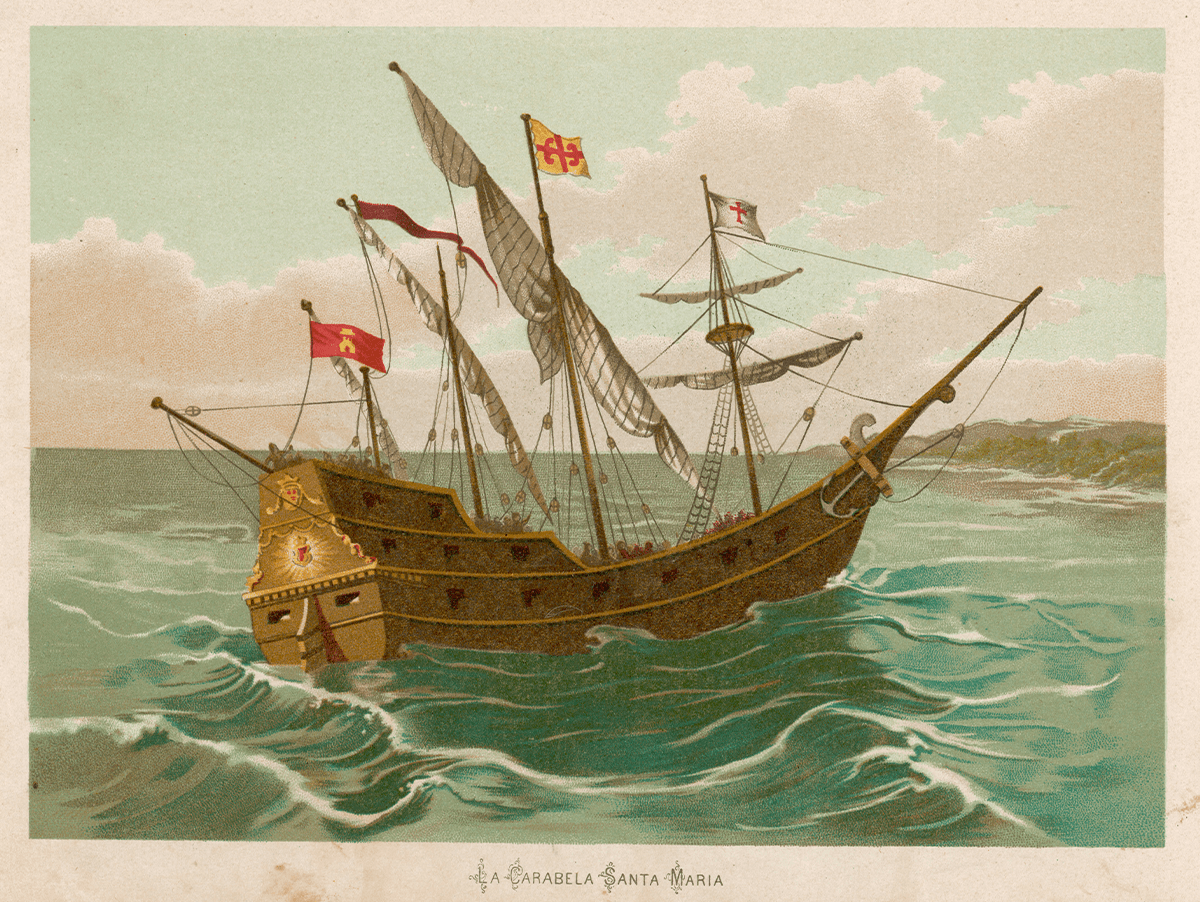
When European explorers came to the New World they brought horses, cattle, guns, and loads of diseases. With no defense against them, Indigenous populations were ravaged by smallpox, cholera, measles, and other exotic illnesses endemic to Europeans. The same was thought to be true of scarlet fever, but according to new research published in Nature Communications, that no longer seems to be the case.
Researchers from the Eurac Research Institute in Italy made the discovery while studying the genomes of Bolivian mummies, which are remarkably well-preserved due to the cool, dry air of the Andean highlands. Hidden within a tooth from a man who lived between 1283 and 1383, they found DNA from Streptococcus pyogenes, the bacterium that causes scarlet fever, indicating that it was circulating among Indigenous populations long before Columbus showed up.
The DNA was so well-preserved that the researchers were able to reconstruct the bacterium’s entire genome from fragments. “You can think of it like putting together a puzzle without knowing the picture on the box,” study author Mohamed Sarhan said in a statement. Their analysis revealed that the bacterium was strikingly similar to modern strains and capable of causing disease, despite lacking some pathogenic genes.
Read more: “How Disease Really Spread in the Americas”
The tooth belonged to a man who fed on a maize-heavy diet, indicating that he likely led an agricultural lifestyle. The increased population density and reduced mobility that comes with farming is more conducive to the spread of pathogens, researchers say. To that end, their analysis of the bacterial genome suggests most modern S. pyogenes strains diverged around 5,000 years ago, at a time when human populations were beginning to settle down in larger groups. In other words, a change in lifestyle seems to have caused an explosion of S. pyogenes diversity.
But if scarlet fever didn’t hitch a ride with European explorers, where did it come from?
It may have made the trip along with the first humans that crossed into the Americas over the frozen Bering Strait, some 22,000 years ago, but the researchers can’t say for sure.
Regardless, this research is another reminder that the story of humanity can be at least partially illuminated by the pathogens that coevolved with us. 
Enjoying Nautilus? Subscribe to our free newsletter.
Lead image: Archivist / Adobe Stock