As tourism and commercial activities around Antarctica have ramped up in the past decade, even these remote, frosty waters aren’t safe from the scars left by boats. Vessels of all sizes can harm these icy ecosystems by dumping sewage and spilling oil, introducing invasive species, and crushing animals with their anchors. For years, environmental advocates have called for stricter protections in and around Antarctica, including limiting anchoring.
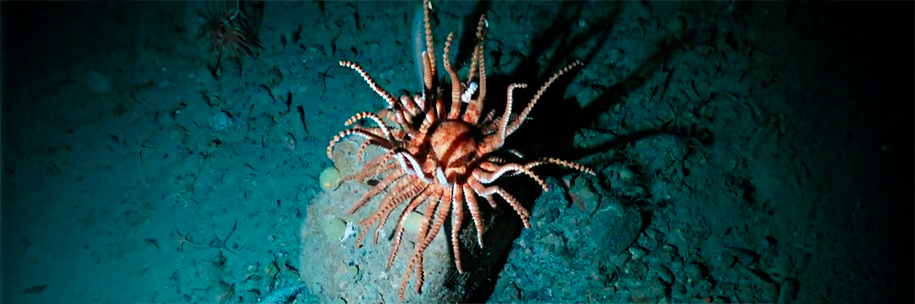
Now, the first published visual evidence of anchoring and chain damage on the sea bed in Antarctica has illuminated some of these sea scars. Researchers hitched a ride on a tourism vessel and traversed parts of Antarctica’s coast between December 2022 and March 2023, snapping underwater footage while drifting or at anchor. The team recorded a total of 62 hours of video recorded at 36 sites, ultimately focusing on a popularly visited location called Yankee Harbour: There, they documented worrying signs of ecological damage such as crushed sponge colonies, scour marks, and mud dumped on the seafloor. These findings were reported today by a team from the United States, New Zealand, and Canada in Frontiers in Conservation Science.
Anchor-disturbed areas tended to be more barren, the researchers noticed. By contrast, nearby areas were teeming with unique inhabitants, including ancient sea sponges, sun stars, giant Antarctic octopus, and sea spiders. One clip shows a group of giant volcano sponges—up to 15,000-year-old creatures that are considered among the world’s oldest living animals—that the researchers suspect just barely dodged impact from an anchor.
Many species that dwell at anchorable depths (up to around 270 feet) tend to grow slowly and stay put in one place, the team notes, so passing vessels put them at particular risk. But because most of these organisms are only found in Antarctica, they offer one of the major draws for big tourist boats in the first place. During the 2022 to 2023 season, more than 190 tourism, fishing, and research vessels were recorded visiting Antarctica’s anchorable depths and more may have stopped by without licenses. The researchers hope that future work can pinpoint areas harboring rich biodiversity and particularly fragile species to ban anchoring, among other steps to protect Antarctica’s vibrant marine ecosystems.
“Anchoring is likely the most overlooked ocean conservation issue in terms of global seafloor disruption; it is on par with the damages from bottom trawling,” said study author Matthew Mulrennan, a marine scientist and founder of ocean conservation nonprofit KOLOSSAL, in a statement. “It’s a pressing environmental issue, but it’s out of sight, out of mind.” 
Lead image: Matt Mulrennan / KOLOSSAL