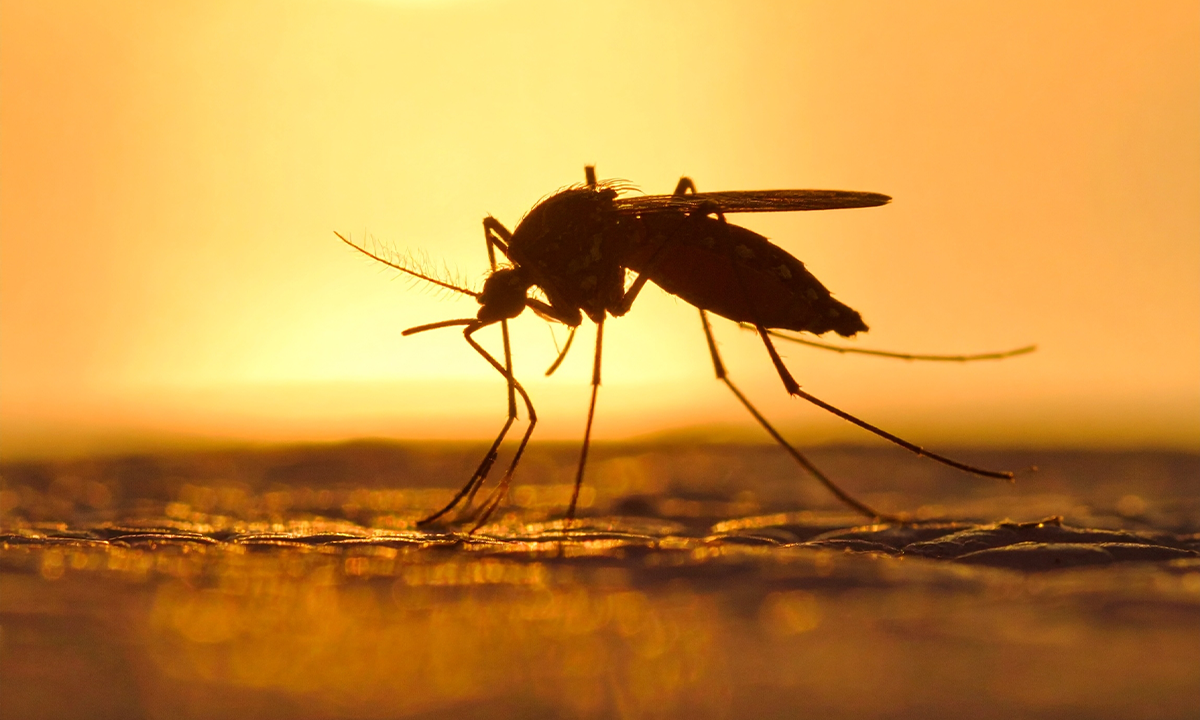
What female mosquitoes choose to feed on has a bearing on human health, since they transmit pathogens from one host to another. In theory, mosquitoes can take their blood meals from any vertebrate, but in practice, they may favor certain hosts based on smell, body heat, or simply availability.
A new study published in Frontiers in Ecology and Evolution shows that mosquitoes along the east coast of Brazil are taking blood from humans more often than from any other animal.
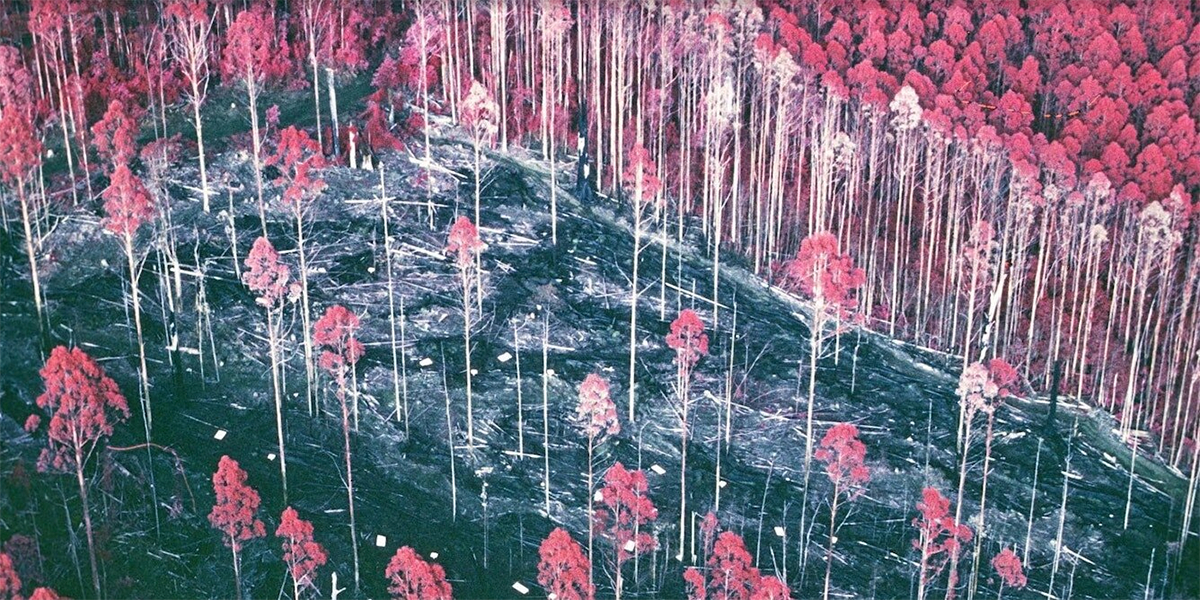
Researchers from Brazil’s Universidade Federal Rural do Rio de Janeiro and Instituto Oswaldo Cruz examined the diets of mosquitoes inhabiting the humid Atlantic Forest. What used to be an intact forest has been increasingly colonized for human activities, such that only about a third remains wild. As humans edge other vertebrate animals out of their habitats, mosquitoes may have to retool their diets.
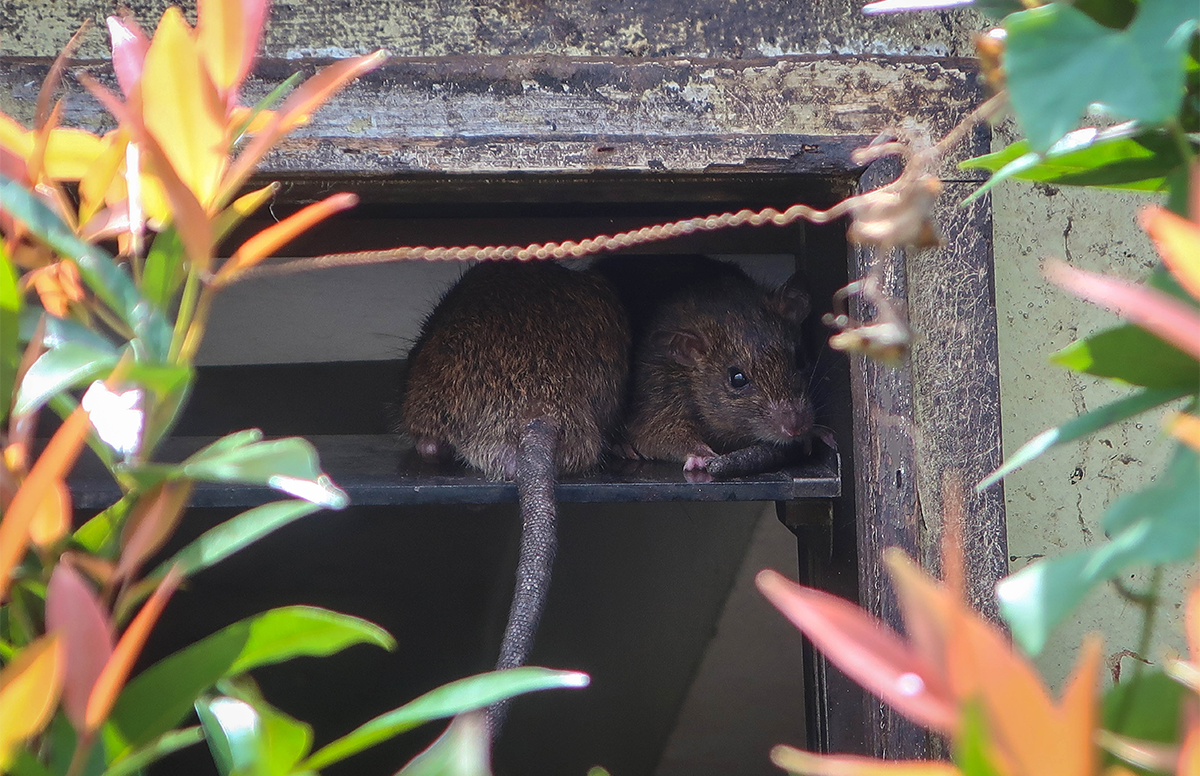
Using light traps over two consecutive days, the researchers captured nine species of female mosquitoes. Of the 1,714 individuals captured, 145 were engorged with blood from recent feedings. The researchers sequenced DNA from blood in their stomachs, and, using a reference database of vertebrate DNA barcodes, were able to identify the sources of the blood meals from 24 mosquitoes. These sources included 18 humans, one amphibian, six birds, one dog, and one mouse. Some mosquitoes had blood from more than one feeding event in their guts.
Read more: “When Disease Comes for the Scientist”
By numbers, humans were the favored meal source. “With fewer natural options available, mosquitoes are forced to seek new, alternative blood sources. They end up feeding more on humans out of convenience, as we are the most prevalent host in these areas,” hypothesized study author and microbiologist Sergio Machado in a statement.
Unfortunately for us, mosquitoes are known to readily adapt to different food sources in their environments.
With more than 700,000 people dying annually from diseases caused by mosquito-borne pathogens, mosquito diets are a serious concern, according to the study authors. They recommend that mosquito-control strategies consider their demonstrated feeding preferences as part of the risk equation. The continued deforestation of the Atlantic Forest is likely to continue to shape the feeding behavior of mosquitoes, as “the loss of native vegetation is associated with an increase in the transmission of etiological agents of arboviruses (dengue, Zika, Chikungunya, and yellow fever),” wrote the researchers.
In other words, more people, relative to other animals, shift the mosquito cafeteria toward humans. 
Enjoying Nautilus? Subscribe to our free newsletter.
Lead image: Loomo Digital / Shutterstock