Venus is sometimes called Earth’s twin (or our “evil twin,” which seems a little harsh). That’s because the second planet from the sun is roughly the same size as Earth, with 80 percent of its mass, and an orbit that’s 70 percent the size of ours. But unlike our planet, Venus has no moon, and a new arXiv preprint may explain why.
First, though, what makes a moon?
For starters, you need some material. Our moon, for example, is probably made up of debris resulting from Earth’s collision with a rogue planet around 4.5 billion years ago. These kinds of cosmic crashes were fairly frequent in the tumultuous early years of our solar system, so Venus likely had this crucial ingredient.
Read more: “Seeking Signs of Life on Venus”
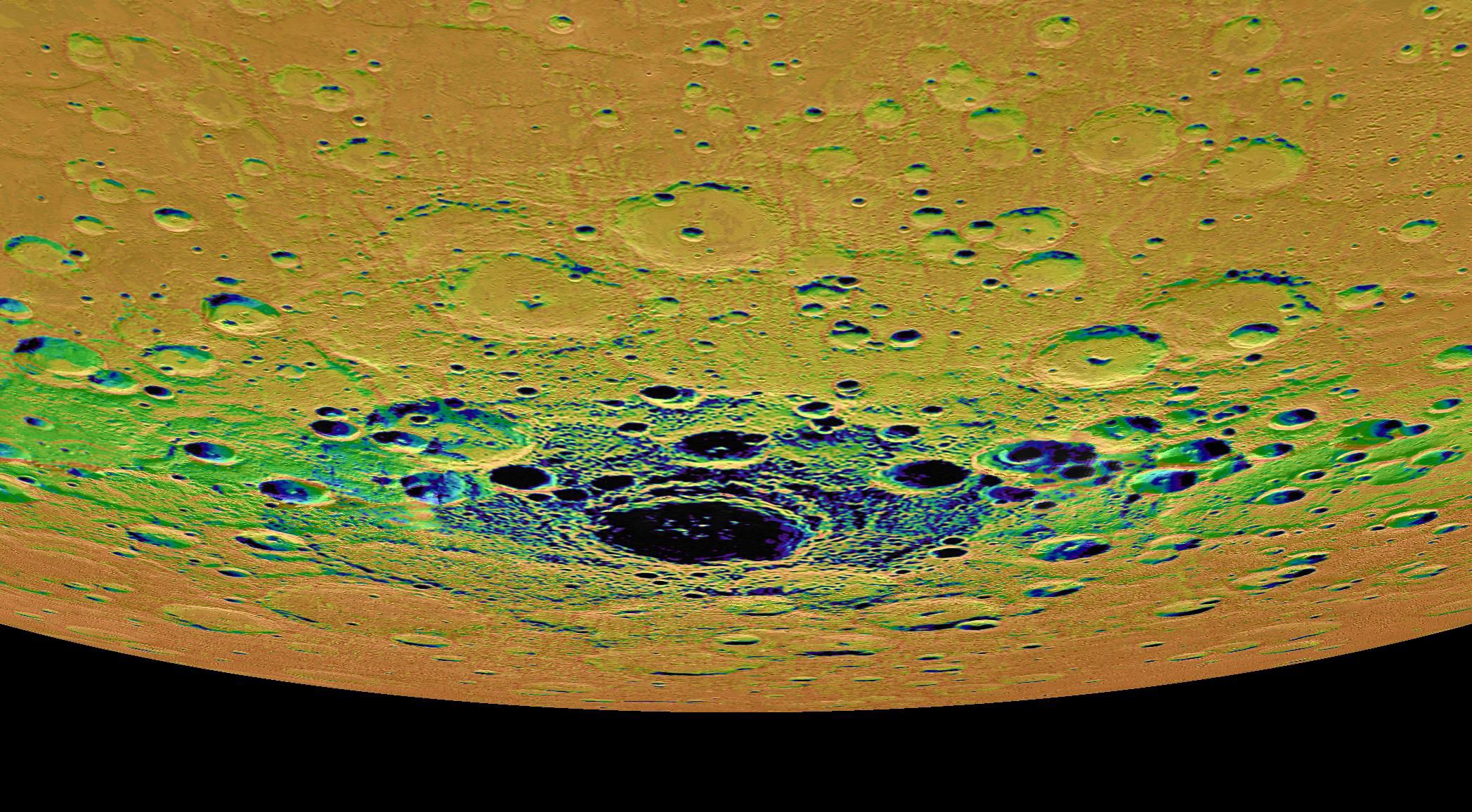
Next, the planet has to have a significant gravitational pull to attract the moon without competing pulls tearing it apart. Mercury’s moonlessness, for example, is no mystery because it’s so close to the sun’s hefty gravity well. While Venus is farther away, it still has a much narrower gravitational sweet spot, so any fledgling moon may have gotten ripped asunder by the sun. However, this new preprint argues that another explanation is more likely.
To explore why our sister planet is orbiting solo, planetary scientists from the University of California, Riverside and the University of Bordeaux modeled different scenarios for a hypothetical Venusian moon. The model’s parameters included the planet’s rotational speed, the moon’s mass, its distance, its orbital eccentricity, and more over its 4.5 billion year history. While they were able to create some hypothetical scenarios where a moon could survive, in most of them it was destroyed. Two of the biggest variables deciding the moon’s fate were its mass and how fast Venus initially spun.
So which was the most plausible scenario?
According to the team, it’s likely that an embryonic Venusian moon lasted anywhere from 30 million years to 1.7 billion years before spiraling in and crashing into the planet itself. Basically, Venus ate its own moon. Of course, this paper hasn’t been through peer review, and the researchers can’t say for sure using only models.
The good news is that there are several planned missions to Venus coming up in the next decade, including NASA’s DAVINCI mission. The DAVINCI spacecraft consists of an orbiter and a probe that will descend through Venus’ thick, cloudy atmosphere to collect data on the chemical composition of the surface below. According to the researchers, DAVINCI could help us finally solve the mystery of why Venus has no moon. 
Enjoying Nautilus? Subscribe to our free newsletter.
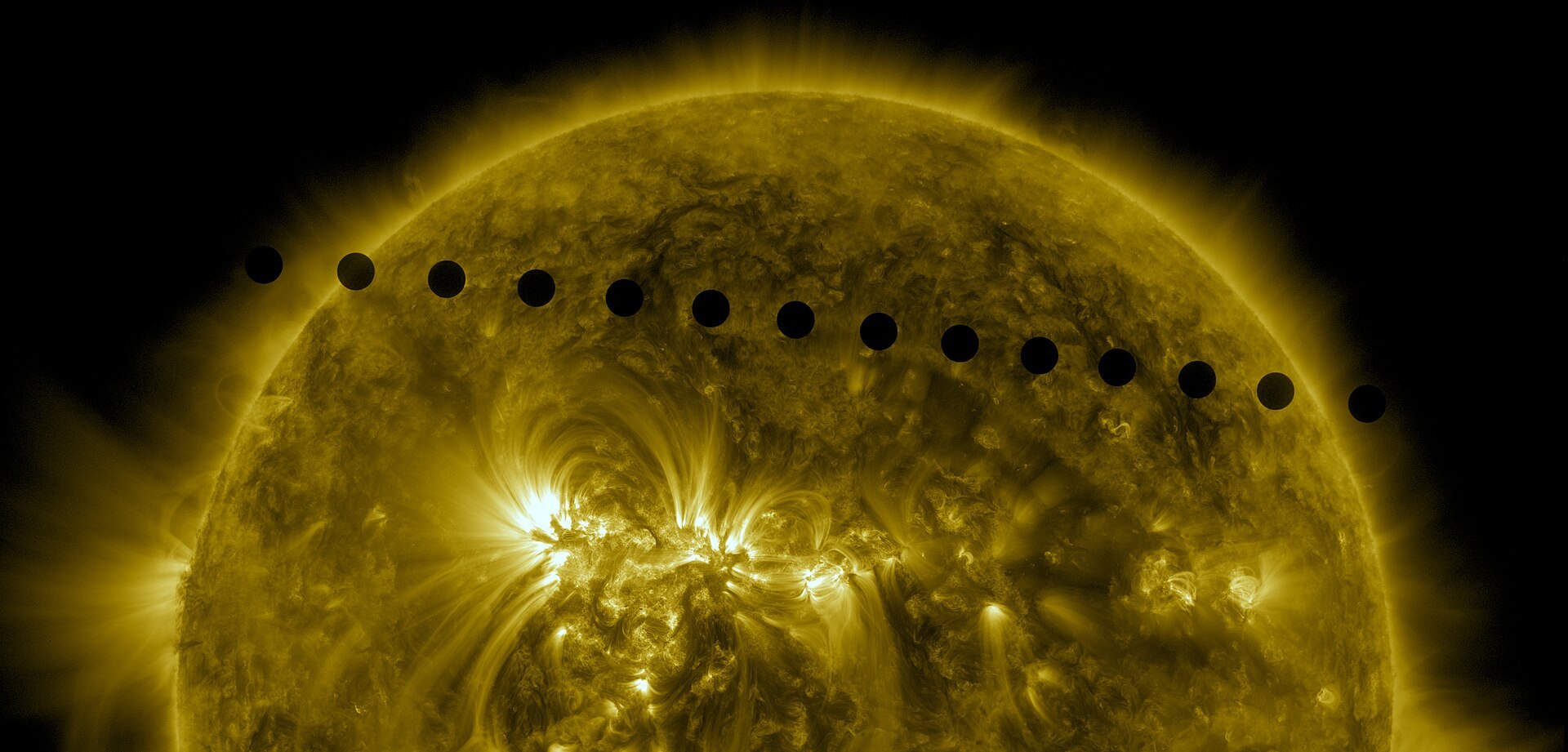
Lead Image: NASA/SDO, AIA