We all slow down as we age—quite literally. When we get older, our walking pace tends to decline, which can even be an indicator of an increased risk of death. According to new research published in the journal Gait & Posture, scientists may finally know what’s going on.
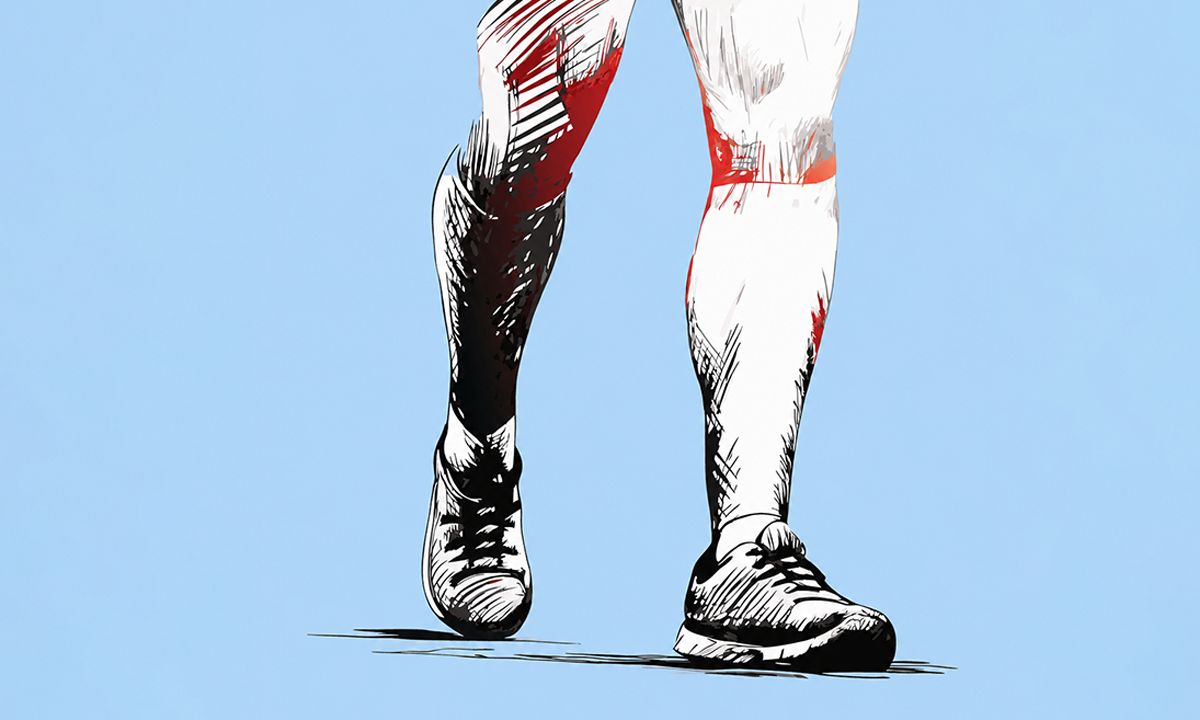
Analyzing movement data from 107 adults aged 26 to 86, aging experts from Australia’s Flinders University discovered some interesting differences in how our ankles work as we age. When taking a step, older people tend to activate ankle muscles in opposition to one another at the same time. Known as “co-contraction,” this stiffens the joint, improving balance, but it comes at the cost of reduced push-off power, shorter strides, and slower walking speeds. Instead of a confident stride, it’s more of a hesitant shuffle.
Read more: “Pedestrians Are Walking Faster”
The study marks the first time the inner workings of the ankle have been investigated in aging adults in this way, but it’s not just mechanical. According to the researchers, this subtle change reflects broader trends in how our nervous system controls our aging bodies and weakening muscles.
“The nervous system adopts a safety-first approach, compensating for age-related changes by favoring stability over performance,” study author Maarten A. Immink explained in a statement. “These changes can also increase fatigue and make walking longer distances more challenging, while reducing the ability to recover from trips or slips—a key factor in falls among older adults.”
The good news is that our stiffened gaits aren’t entirely an inevitable consequence of age-related muscular deterioration. Per the team, exercises that emphasize balance and coordination while targeting muscles that work together could help forestall a stilted stride.
Yoga, anyone? 
Enjoying Nautilus? Subscribe to our free newsletter.
Lead image: MDSHAHIN / Adobe Stock