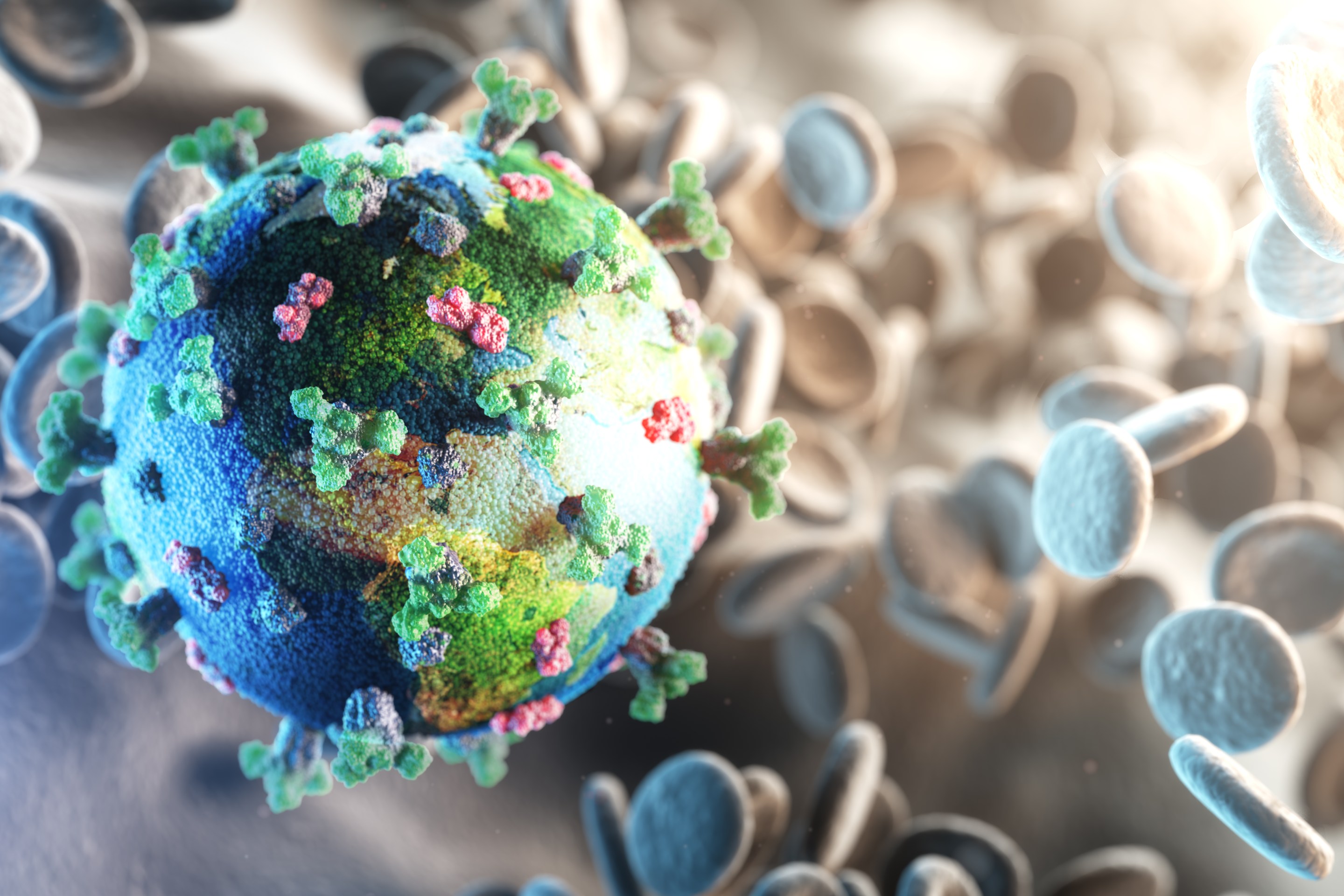
The bacterium Fusobacterium nucleatum is typically commensal, living on our gums without causing any trouble except for the occasional bout of gum disease. While it seems like a pretty harmless microbial hitchhiker, it’s actually been implicated in a number of ailments from appendicitis to Alzheimer’s to colorectal cancer. Now, new research published in Cell Communication and Signaling is linking F. nucleatum to breast cancer.
“The key takeaway is that this oral microbe can reside in breast tissue and that there is a connection between this pathogen and breast cancer,” study author Dipali Sharma of Johns Hopkins said in a statement.
Using mice genetically modified to produce human breast tissue as well as human breast cancer cells, Sharma and her team discovered that exposure to F. nucleatum caused breast cells to multiply too much and transform. This activity was accompanied by inflammation and DNA damage.
Read more: “Young and Healthy and Waiting to Get Cancer”
Cells with the BRCA1 breast cancer mutation were especially vulnerable to the bacterium. These cells overexpress a sugar on the cell surface that serves as a kind of molecular welcome mat, allowing the bacteria to bind and enter the cell. Once inside, F. nucleatum acted like a bull in a china shop, damaging DNA and activating DNA repair pathways can lead to errors.
Troublingly, even a brief exposure increased expression of a protein called PKcs that’s linked to tumor cell migration, invasion, and resistance to chemotherapy. Once inside the cells, the bacterium was able to persist through multiple cell divisions, amplifying tumor promotion.
“Our findings reveal a link between oral microbes and breast cancer risk and progression, particularly in genetically susceptible individuals,” Sharma said. “Nothing happens in isolation. The results suggest that multiple risk factors come together with F. nucleatum acting as an environmental factor that may cooperate with inherited BRCA1 mutations to promote breast cancer and tumor aggressiveness.”
So does that mean poor oral health increases your risk for breast cancer?
Sharma says further study is needed before we can make any definitive determinations. In the meantime, it’s one more reason to make sure to brush twice a day. 
Enjoying Nautilus? Subscribe to our free newsletter.
Lead image: sadihossain115 and Rawpixel.com / Shutterstock