If you can’t detect subtle hints of chocolate in wine or hazelnut in caviar, don’t fret. We might be able to intensify our tasting abilities with training, researchers suggest. Take sommeliers, for example—they seem to refine their palettes over time through experience, rather than possessing particularly powerful senses from the start.
But can anyone learn to sharpen their taste buds? In a small 2022 study, researchers at Toho University in Japan reported that they helped people boost their ability to identify the four basic tastes—sweetness, saltiness, sourness and bitterness. The team first measured each participants’ taste thresholds, or the lowest concentration of a given taste that they could perceive. Then, they repeatedly exposed them to higher and lower concentrations of these substances to improve their sensitivity, asking them to correctly identify which unlabeled substance they tried until they got them all correct.
Now, some of the same scientists say this protocol can elevate a person’s ability to discern different qualities of sweetness.
Read more: “This Meal Might Bring You to Tears”
With a group of 40 healthy adults, the team began by determining how much glucose, fructose, sucrose, maltose and lactose each person needed in order to taste it. Then, over three consecutive days, participants were repeatedly asked to memorize and correctly identify the different types of sweetness at concentrations lower and higher than this minimum. The training continued until they could accurately guess the mysterious substances at both these higher and lower concentrations. In each case, the individuals were eventually able to learn to taste different gradations of sweetness at smaller doses.
“Even subtle differences within the same taste quality can be discerned through taste training,” the authors wrote in their paper, which was published in Chemical Senses. “This result appears to validate the idiom ‘a discerning palate.’”
The recent study does come with limitations—the sample size was small, for instance, and the researchers didn’t test how participants’ dietary preferences affected their taste sensitivity.
But with more research, this type of training could be used to treat taste disorders, which lack highly effective treatments. It may also help older individuals who develop anorexia as their sense of taste declines, among other aging-related issues that affect food intake.
It might not take years of wine-sniffing to become a flavor expert—a few days of taste boot camp might be enough. 
Enjoying Nautilus? Subscribe to our free newsletter.
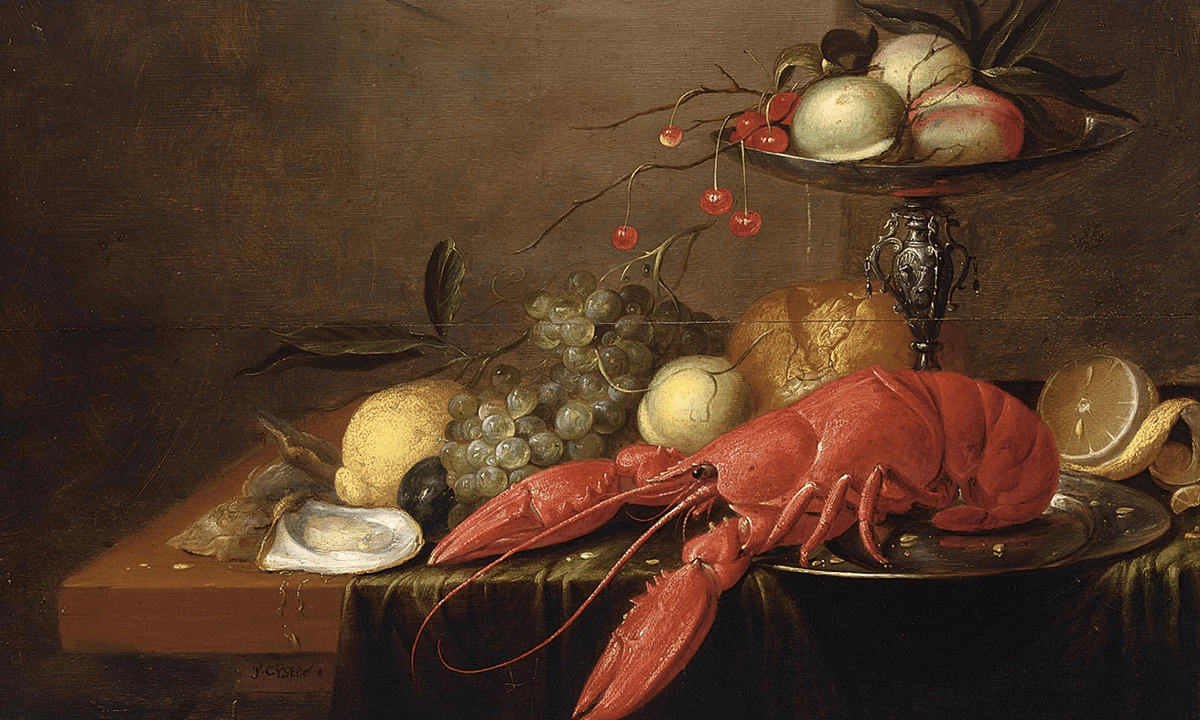
Lead painting by Philips Gijsels / Wikimedia Commons