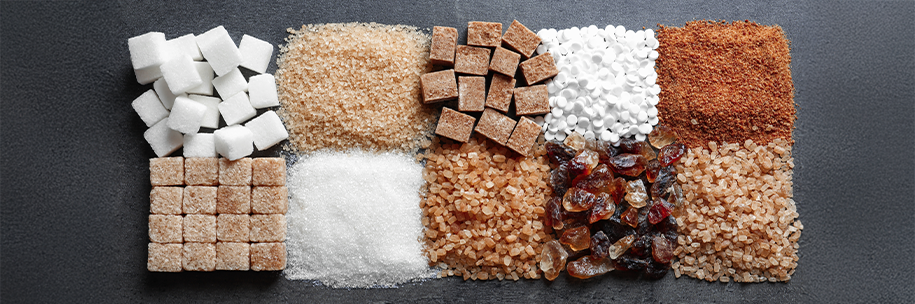
Sugar substitutes sound pretty sweet. After all, who doesn’t want soda and cookies that come with a much tinier calorie count than the real deal? The pastel-colored packets of almost-sugary goodness are ubiquitous, and some of the most common include saccharin (Sweet’N Low), aspartame (Equal), and sucralose (Splenda).
But those substitutes can come with less-than-sweet side effects. Studies have hinted that some zero-calorie sweeteners can deliver a handful of harmful impacts, like a higher risk of cancer and heart attacks and strokes. And while they’re touted as weight loss tools, some studies have shown that these sweeteners aren’t very effective for this goal.
Now, a study recently published in Neurology is giving diet sweet lovers a whole new reason to rethink these treats. Many common sugar substitutes, including aspartame, saccharin, erythritol, xylitol, and sorbitol, might age consumer’s brains and jump-start cognitive decline, the study authors found.
“Low- and no-calorie sweeteners are often seen as a healthy alternative to sugar, however our findings suggest certain sweeteners may have negative effects on brain health over time,” study author Claudia Kimie Suemoto, an associate professor of geriatrics at the University of São Paulo in Brazil, said in a press release.
A sweetener found naturally in fruit, cacao and dairy was not linked with the same cognitive impacts.
The researchers crunched data from 12,772 civil servants aged 35 and up who were already enrolled in a long-term health study. Participants reported what they ate and drank over the past year and then were split into three groups: high, medium, and low consumption of low- and no-calorie sweeteners. The lowest group averaged out at about 20 milligrams a day of sugar substitute (less than some tabletop packets of sweeteners), and the highest hit an average of 191 milligrams per day (for aspartame, that’s about a can of Diet Coke). The participants were given cognitive tests at the beginning of the study and continuously assessed over a median of eight years to measure for memory, language, and thinking skills.
What the researchers found was surprising—even after the team adjusted for age, sex, high blood pressure, and cardiovascular disease, they noticed some concerning differences in participants’ mental abilities. The two highest consumption groups had 110 percent and 173 percent higher rates of verbal fluency decline, or the ability to rapidly think and speak. Participants in the highest consumption group had a 32 percent higher rate of memory decline compared to the lowest group. Processing speed and executive function scores, meanwhile, were not generally correlated with sweetener consumption.
One of the sweeteners tracked—tagatose, which is a less-common sweetener that’s found naturally in small doses in fruit, cacao, and dairy products—was not linked with the same cognitive impacts on participants.
According to data from these tests, those in the two highest consumption groups experienced overall cognitive decline about 35 percent and 62 percent faster than those in the low consumption group—working out to about 1.3 and 1.6 years’ worth of extra aging compared to their peers who consumed less.
The impact didn’t apply equally across all participants, however. Those under 60 years old in the highest sweetener consumption group showed the most rapid decline in verbal fluency and cognition. But in participants over 60, the researchers didn’t observe a significant relationship between sweeteners and mental impacts.
“This suggests that midlife dietary exposures, decades before cognitive symptoms emerge, may carry life-long consequences for brain health,” wrote Thomas Holland, a clinician-researcher at the Rush Institute for Healthy Aging, in an editorial that ran alongside the new paper. Holland wasn’t involved in the study.
The findings have some limitations. The researchers did not assess a handful of supermarket faves, including sucralose and plant-derived alternatives like stevia. The follow-up intervals were also inconsistent across participants, and the dietary data was self-reported at the beginning of the study but not again later.
While it’s far from settled science, the new findings add to the evidence stacking up about the potentially sour effects of some artificial sweeteners. 
Lead image: New Africa / Shutterstock