It took a lot of energy for Homo sapiens to evolve our massive brains, and we might not have been able to do so without meat. While prehistoric humans had the necessary cognitive abilities, tools, and social structures to hunt their own big game, our hominin ancestors living over a million years ago weren’t so blessed.
So how did they get the protein that fueled our evolution? New research published today in the Proceedings of the National Academy of Sciences is piecing together our ancestors’ foraging behavior from their prehistoric leftovers.
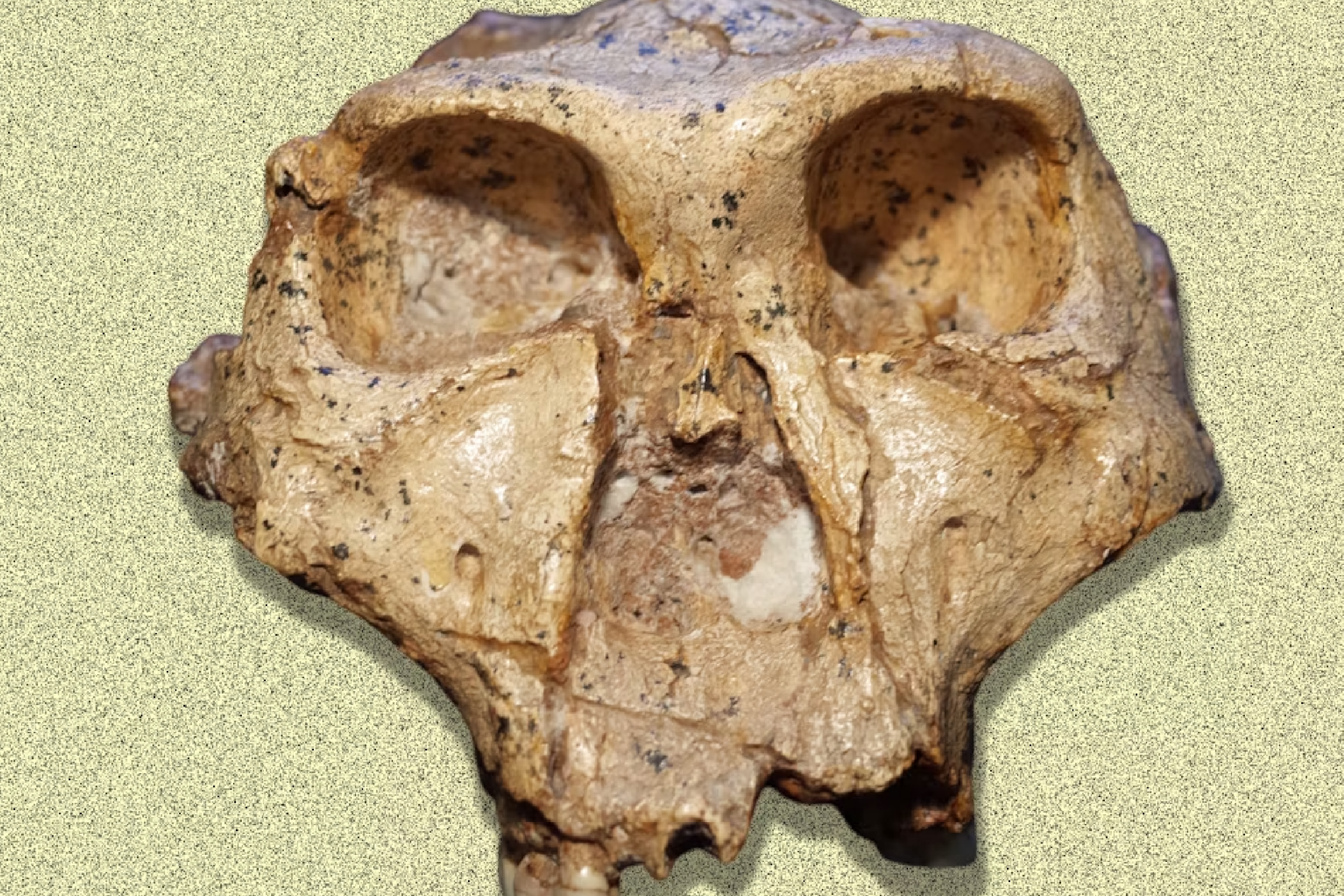
An international team of paleoanthropologists examined a collection of 1.6-million-year-old fossils unearthed from prehistoric wetlands in East Africa, which included animal bones and teeth from hominins (from either Homo erectus or Homo habilis). The bones at the sites were primarily from large bovine legs, and an analysis revealed marks made from stone tools designed for cutting, and from smashing, indicating they’d been stripped of their meat and cracked open by hominins.
Read more: “Eat Like a Neanderthal”
But what was even more interesting is what the researchers didn’t find. Carnivore teeth marks on the bones were rare, and the ends of the limbs, which predators love to gnaw on first, were largely intact. This was a big clue that our hominin ancestors had access to the carcasses soon after death. Whether they hunted the animals themselves or chased predators off from fresh kills remains up for debate, but the evidence points to a more active role rather than just passive scavenging.
Regardless of how prehistoric human ancestors came by their meat, the evidence suggests they hadn’t yet climbed to the top of the food chain in ancient Africa. The bones discovered at the sites were mostly limbs and a few heads from larger animals (with an occasional full carcass from a small antelope). In other words, these ancient hominins tended to abscond with a few choice parts of the carcass, rather than lugging the whole thing to a processing site. To the researchers, this hints that our ancestors at the time were still feeling pressure from fellow carnivores, and couldn’t chance sticking around a fresh kill for too long.
Takeout food, it seems, runs in our blood. 
Enjoying Nautilus? Subscribe to our free newsletter.
Lead image: jinnatun / Adobe Stock