When you think of Chianti, you probably imagine the region’s dry red wine. Made from the Sangiovese grape, which gets its name from the Latin sanguis Jovis or “blood of Jupiter,” it’s the dominant varietal in the region today. But that wasn’t always the case. According to a new study published in the Journal of Archaeological Science, Chianti once produced a much different vintage.
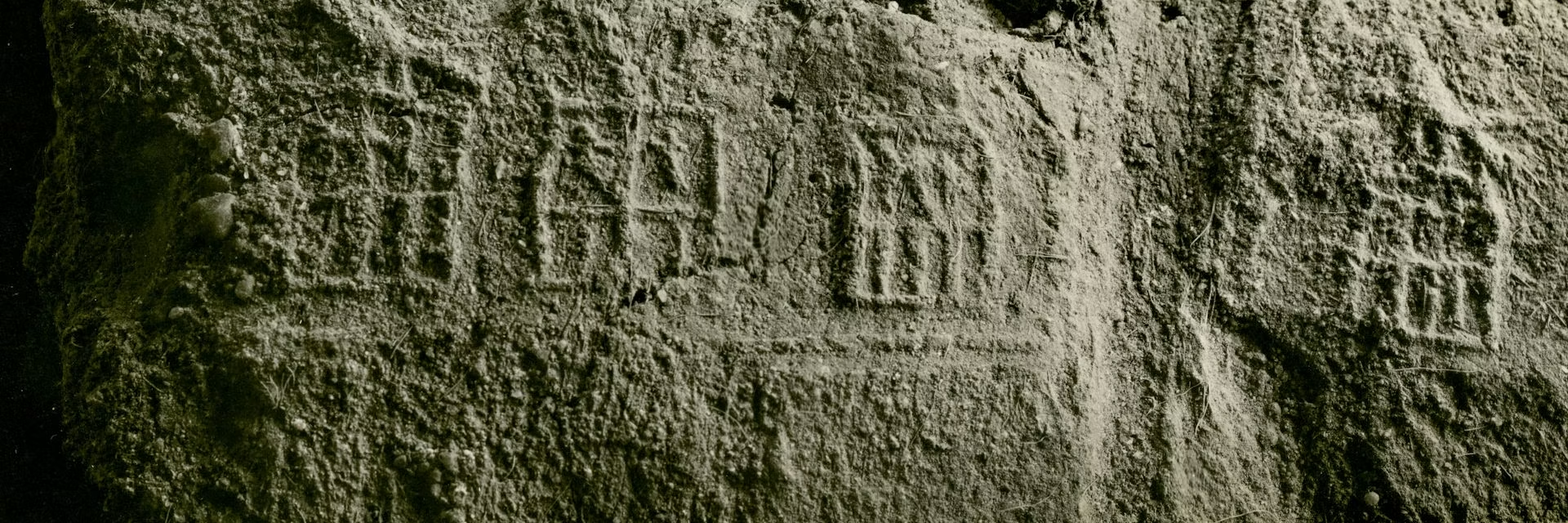
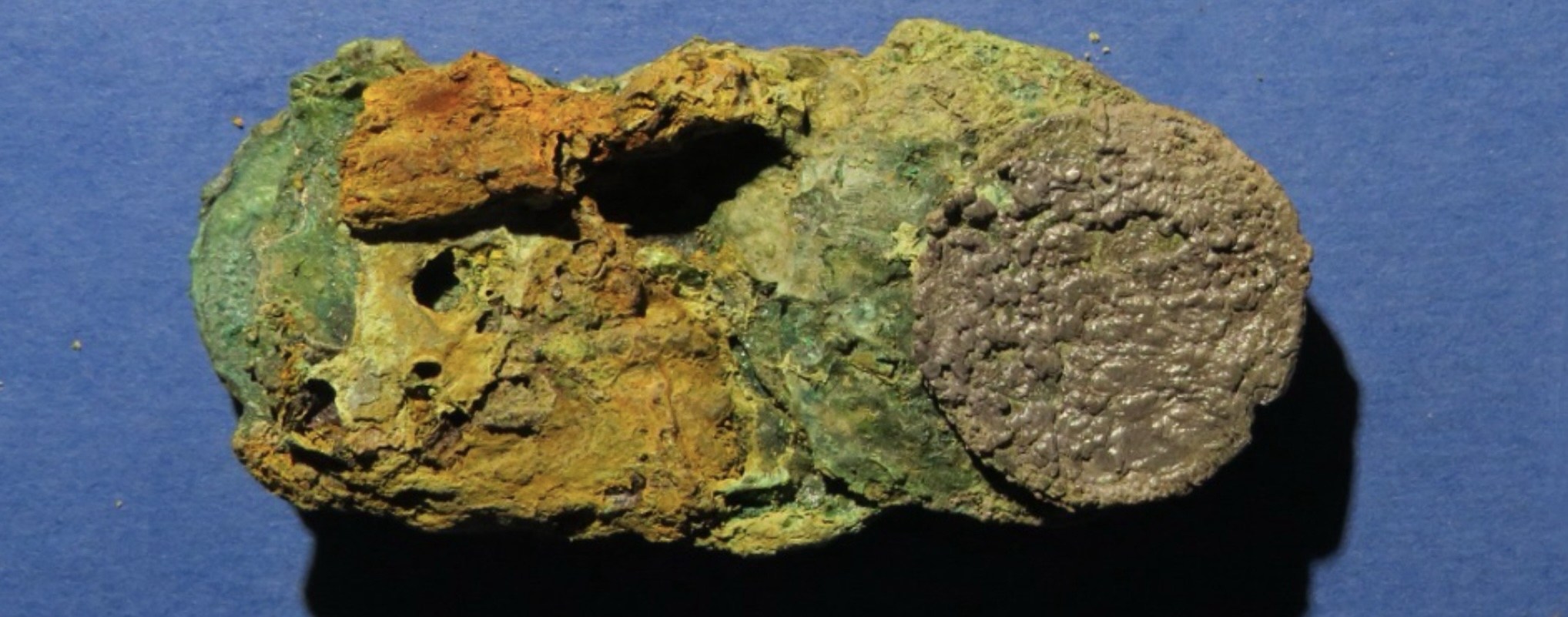
A team of researchers led by archaeologists from the University of York recently analyzed grape seeds excavated from the bottom of a well in Cetamura del Chianti, an ancient settlement in the Tuscan wine region that was part of the extensive Roman viticulture network. Though the seeds were over 2,000 years old (dating to somewhere between 300 B.C. and 300 A.D., they were submerged in mud and fairly well preserved by the oxygen-free environment.
An analysis of the grape seeds’ DNA revealed a few surprises. Most of the seeds belonged to a single cultivar that passed from the Etruscans to the Romans. It also wasn’t red at all. Mutations in the genetic pathways that produce anthocyanin, the pigment that gives grapes their deep red coloration, showed they were white grapes. By comparing the genetic sequences in the Cetamura seeds to other ancient species, the team discovered they were closely related to two Roman seeds cultivated in the South of France.
Read more: “The Neuroscience of Wine”
“Our team’s research adds an important chapter on the history of wine in the viticulture region of Chianti,” study co-author Nancy De Grummond of Florida State University said in a statement. “What a delightful surprise to learn that the world-famous red wine of today was actually preceded by a white vintage that was curated and maintained for centuries in Etruscan and Roman times.”
In addition to the dominant strain, the team also discovered new types of grapes were being cultivated around the time of the Roman conquest of the region. In fact, one of the varieties belongs to a family of grapes that’s grown across Central and Eastern Europe today—a rare grape called “Baratcsuha szurke” in Hungary.
“It is incredible to think that the wine grapes enjoyed by the ancient Romans are mere steps away from the varieties we pour into our glasses today,” study co-author Nathan Wales of York University said. “When you drink wine made from these relic varieties, you are tasting history that is just a stone’s throw from what was served at Roman dinner tables thousands of years ago.”
Raise a glass to ancient Roman ingenuity. 
Enjoying Nautilus? Subscribe to our free newsletter.
Lead image: Ole / Adobe Stock