People are suckers for succulents.
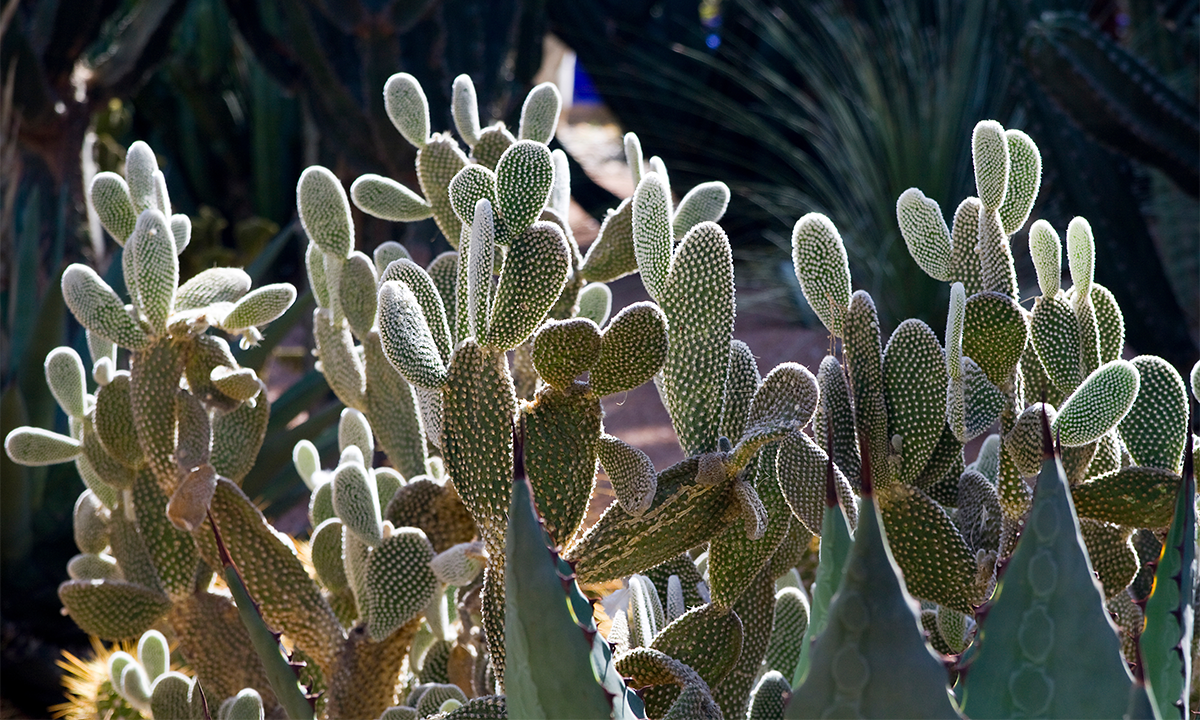
Cacti, among the most common houseplants, earned their popularity by being remarkably diverse, tenacious, and resilient to extreme rainfall and temperatures. Despite these hardy traits, though, nearly a third of the known species of cacti are at risk of extinction, according to the most recent assessment.
“Cacti capture our imagination as icons of endurance and survivors of the planet’s inhospitable environments, and yet they are amongst the most threatened plant families on Earth,” said University of Bath biologist Nicholas Priest in a press release for a recent study he co-authored in Scientific Data.
To help change that, Priest and colleagues from universities in the United Kingdom and Mexico recently launched CactEcoDB, a global, open-access database of cactus species. The goal is to house all known information about cactus ecology, evolution, and conservation needs under one digital roof. The platform accepts a range of data—geographic range, habitat features, growth forms, and even phylogenetic trees—making it invaluable to researchers and conservationists.
Read more: “Scent Makes a Place”
“Unlike for many animal groups, there was no central curated database of cactus biodiversity until now,” explained first author and University of Reading biologist Jamie Thompson.
To date, the database includes information about more than 1,000 cactus species, drawn from hundreds of studies. (CactEcoDB invites the global science community to contribute to it, while acknowledging that peer review is important for ensuring data quality.) Already, the variability of what would be considered a “desert” stands out, with cacti adapted to unique rainfall patterns, temperature regimes, and soil compositions.
Of course, the study authors hope that CactEcoDB—and the knowledge it brings to our understanding of cacti—only grows from here. As Senegalese forest scientist Baba Dioum once said, “In the end we will conserve only what we love, we will love only what we understand, and we will understand only what we are taught.” 
Enjoying Nautilus? Subscribe to our free newsletter.
Lead image: cegli / Adobe Stock