Optimal foraging theory posits that animals will choose areas with more abundant resources while avoiding those with high predator densities. Studies on “the landscape of fear,” for example, highlight how prey behavior is shaped by the presence of predators.
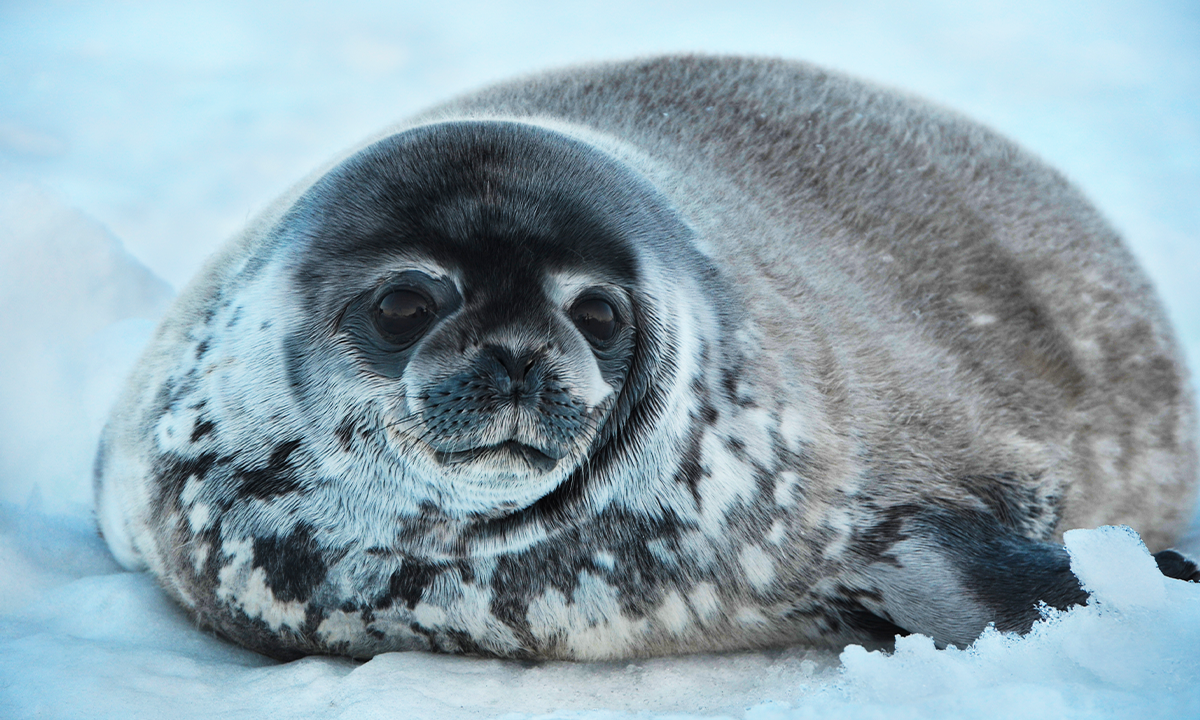
Not ringed seals, though—a recent study published in Ecology Letters found that they’ll venture into dangerous polar bear territory if the ocean fish buffet there is delicious enough.
A team of biologists from the University of British Columbia, York University, the Freshwater Institute in Winnipeg, and the Ontario Ministry of Natural Resources and Forestry analyzed the movements of 26 ringed seals (Pusa hispida) and 39 polar bears (Ursus maritimus) in the eastern Hudson Bay. Using satellite tracking data, they mapped how the seals searched for food while avoiding becoming food themselves for polar bears, their primary predator.
The seals made more than 70,000 dives at 10,000 locations over three years of tracking. They generally avoided the places where the polar bears were the most active, but where the selection of fish was especially varied, the seals lingered and made longer dives, no matter the danger they incurred from polar bear attacks.
Read more: “A Strange New Gene Pool of Animals Is Brewing in the Arctic”
The behavior fits with the “hazardous duty pay hypothesis,” according to the study authors, where higher rewards may warrant extra risk. In this case, the higher reward is a more diverse diet. The extra risk, of course, is potentially serving as dinner for a polar bear.
That said, as sea ice continues to contract, polar bears may get more concentrated, which would change the risk-reward calculation for ringed seals. They tolerate high-risk areas when the fish diversity exceeds a certain threshold, but what happens when the polar bear risk gets even higher?
“Climate change is affecting everything: the predators, the prey, and their habitats, effectively reshuffling a complex, intertwined system,” explained University of British Columbia doctoral student Katie Florko in a press release. “If we map critical habitat while ignoring how bears and seals interact, we risk potentially protecting areas that animals are actually avoiding in a climate-changed future.”
And that’s a risk not even ringed seals can afford to take. 
Enjoying Nautilus? Subscribe to our free newsletter.
Lead image: polarman / Shutterstock