Anyone who’s seen Jurassic Park can tell you how invaluable amber is to paleontology. The fossilized tree resin can trap all kinds of things: insects, lizards, dinosaur feathers, pollen—you name it—preserving a near-pristine snapshot of prehistoric life. Of course, these snapshots only go back as far as the evolution of resin itself, and a new study published in Science Advances just pushed that date back 65 million years.
Resin isn’t just dried tree sap, it’s a chemically unique plant substance that performs a very specific job. When part of a tree gets injured, it exudes terpenoid and/or phenolic compounds that form long polymer chains, hardening when they contact air. These hard resins act like a sort of scab, sealing off the wound and protecting the tree from microbes, insects, and further damage.
Read more: “The Ancient Wisdom Stored in Trees”
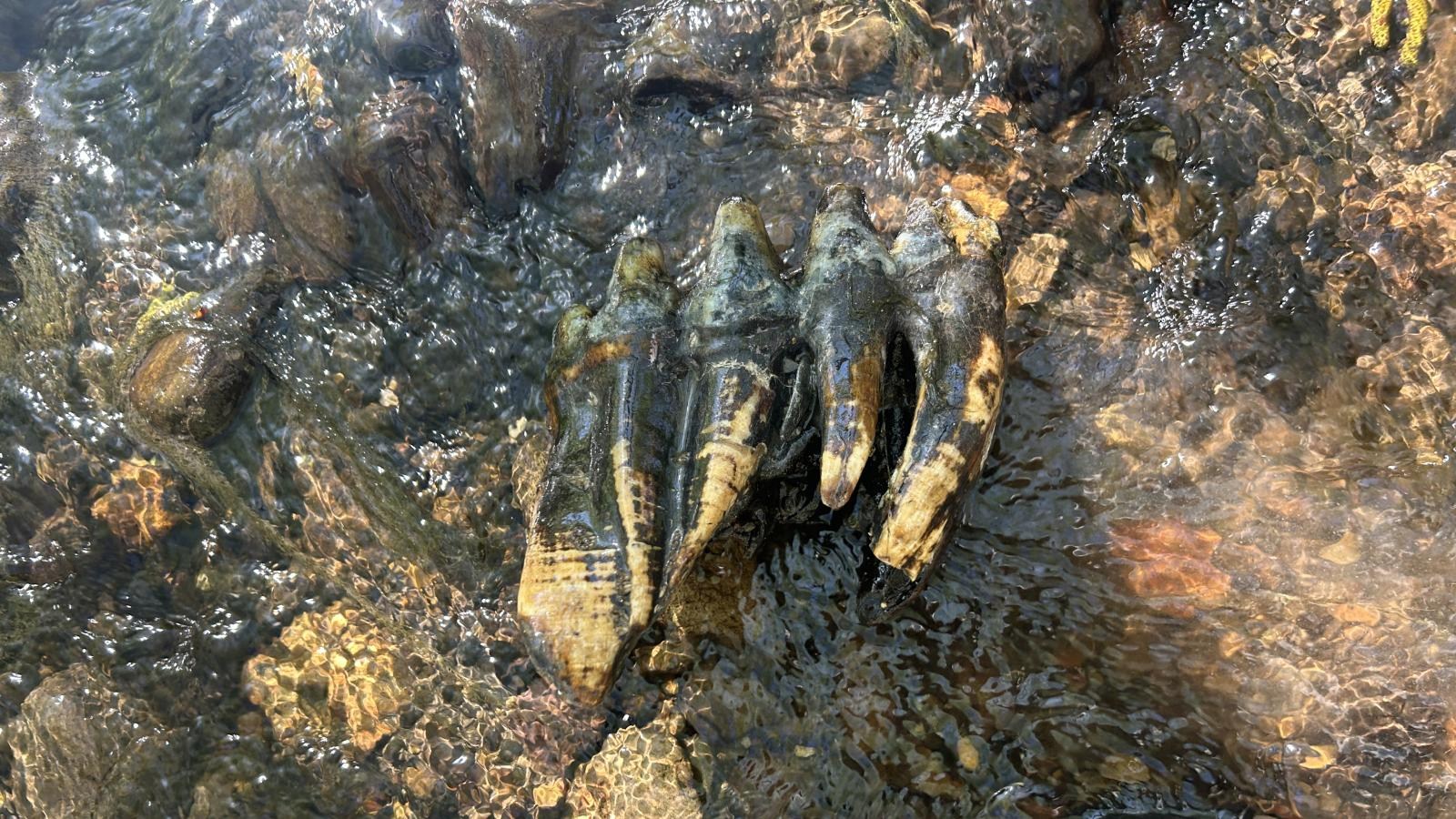
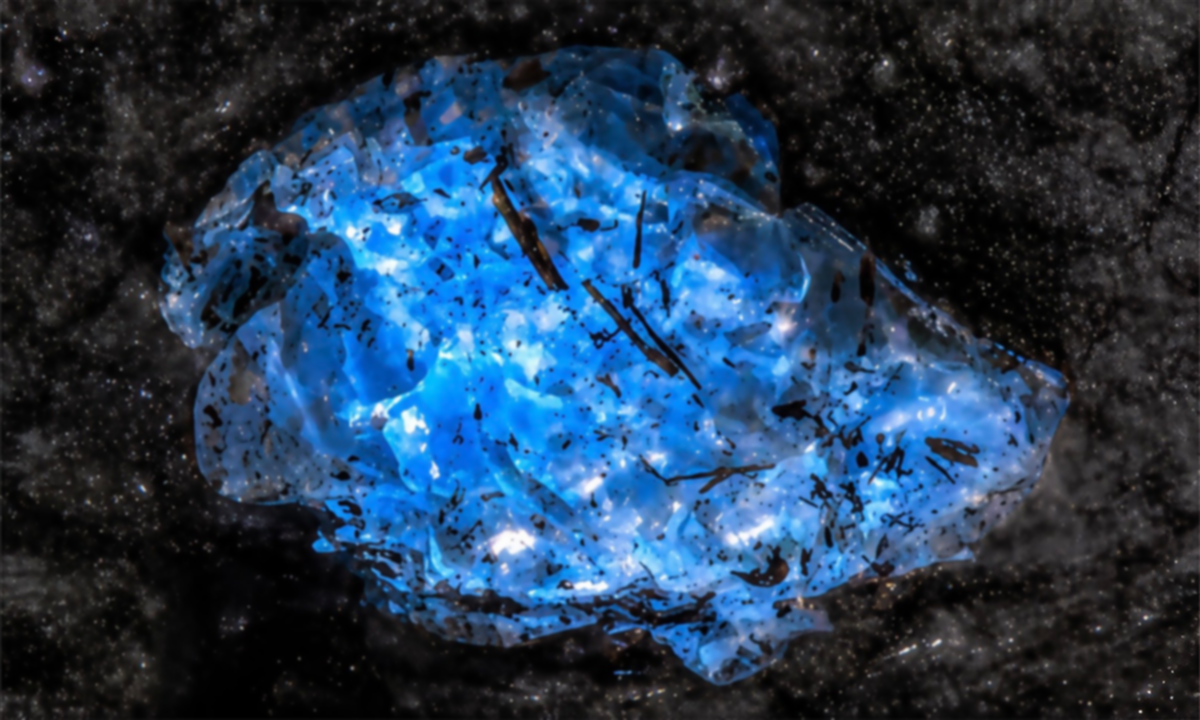
Paleontologists recently discovered tiny crystals of amber embedded in coal found in China’s Hujiersite Formation, which dates back to the Late Devonian period, 385 million years ago. It’s the oldest amber ever unearthed. That means trees, which were themselves new developments in the Devonian, evolved the ability to produce resin earlier than previously thought. Before the discovery, the oldest amber discovered were from the Carbiniferous, 320 million years ago, a time when plant life exploded on land (and later turned into coal).
So which plants were responsible?
The amber has a chemical signature that’s similar to amber from conifer-type plants, but the research team can’t say for sure. Their best guess is either a tree-like lycopsid (mossy, vascularized, spore-bearing plants) or a progymnosperm (woody ancestors to both gymnosperms and angiosperms). There’s not a lot of evidence in the fossil record of arthropods boring into trees during the Devonian, so the researchers believe resin likely evolved to protect from fire damage and microbes instead.
Regardless of resin’s origin story, paleontology—and dinosaur movies—wouldn’t be the same without it. 
Enjoying Nautilus? Subscribe to our free newsletter.
Lead image: Luo et al., Science Advances (2026)