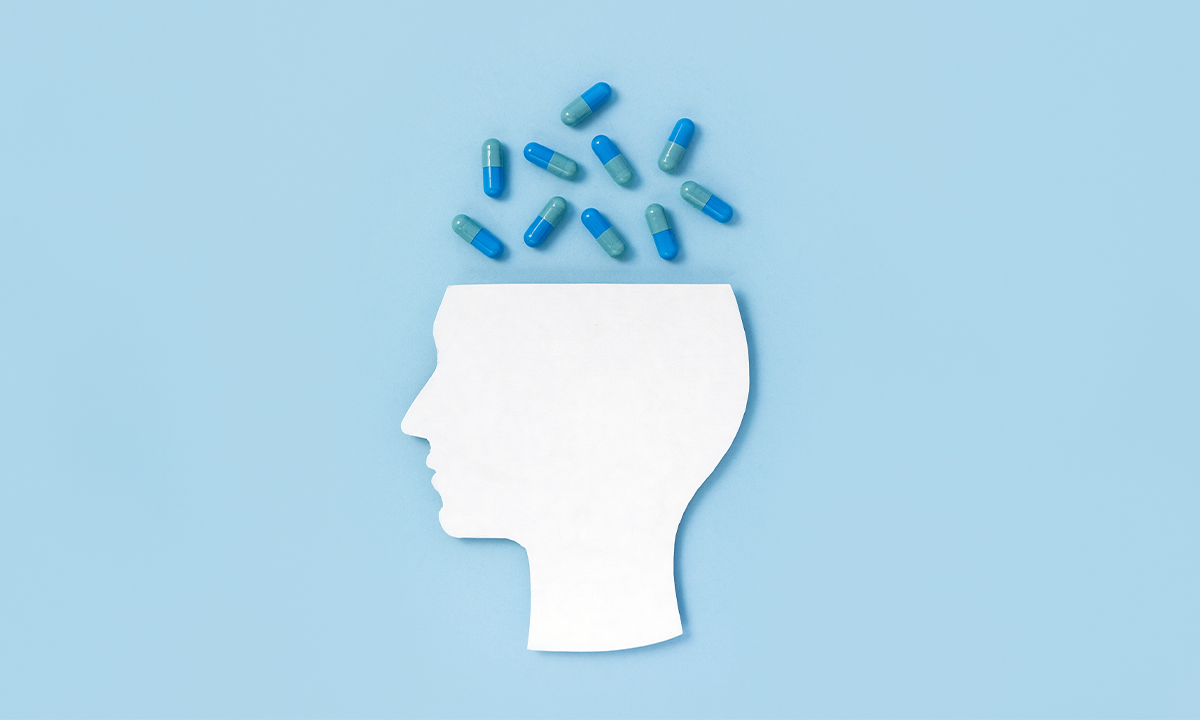
The placebo effect is an odd thing. We don’t fully understand how it works, yet its influence is so well established that drug trials have to account for it to be taken seriously. During these trials, participants have no idea if they’re getting a placebo or the real deal, but what happens if you level with them? New research published in the International Journal of Clinical and Health Psychology asked that question—and the answer is somewhat surprising.
Psychologists at Milan’s Università Cattolica split 90 healthy people, aged 65 and older, into three different groups: a deceptive placebo group; an open-label placebo group; and a control group. They told the deceptive placebo group they were taking multivitamins capable of producing a variety of benefits for older people, while they admitted to the open-label placebo group they were only taking sugar pills that could produce positive benefits via the placebo effect (the control group received no intervention). All three groups completed questionnaires about their well-being, as well as tests measuring their short-term memory, selective attention, and physical performance before and after the three-week experiment.
So how did they do?
Read more: “Sugar Pill Nation”
Surprisingly, after three weeks, the open-label placebo group showed more improvements across a variety of age-related measures. They had less stress, better short-term memory, and improved cognitive and physical performance compared to the deceptive placebo group.
“These are significant effects,” study author Francesco Pagnini said in a statement, “comparable to those seen in some experimental studies on physical activity regarding physical performance and cognitive training, especially with regard to memory.”
Researchers aren’t entirely sure what exactly is going on, but they have a few ideas. It’s possible that the glowing description of the “multivitamin” given to the deceptive placebo group raised their suspicions, making them skeptical of the whole process. Alternatively, the transparent disclosure given to the open-label group may have engendered trust, boosting their therapeutic response. It’s also possible that the open-label group showed such a marked improvement simply because they knew the experimental design.
Still, the improvements they saw in their tests were real, and the researchers say low-cost, open-label placebos could get results without breaking the bank. Additionally, therapy that includes these transparent placebos could be tailored to target age-related concerns, producing even bigger effects.
Most importantly, the research underscores the significance of maintaining a positive mindset during our golden years. Sometimes believing things can get better is all it takes to pump the brakes on age-related declines. 
Enjoying Nautilus? Subscribe to our free newsletter.
Lead image: ClareM / Shutterstock