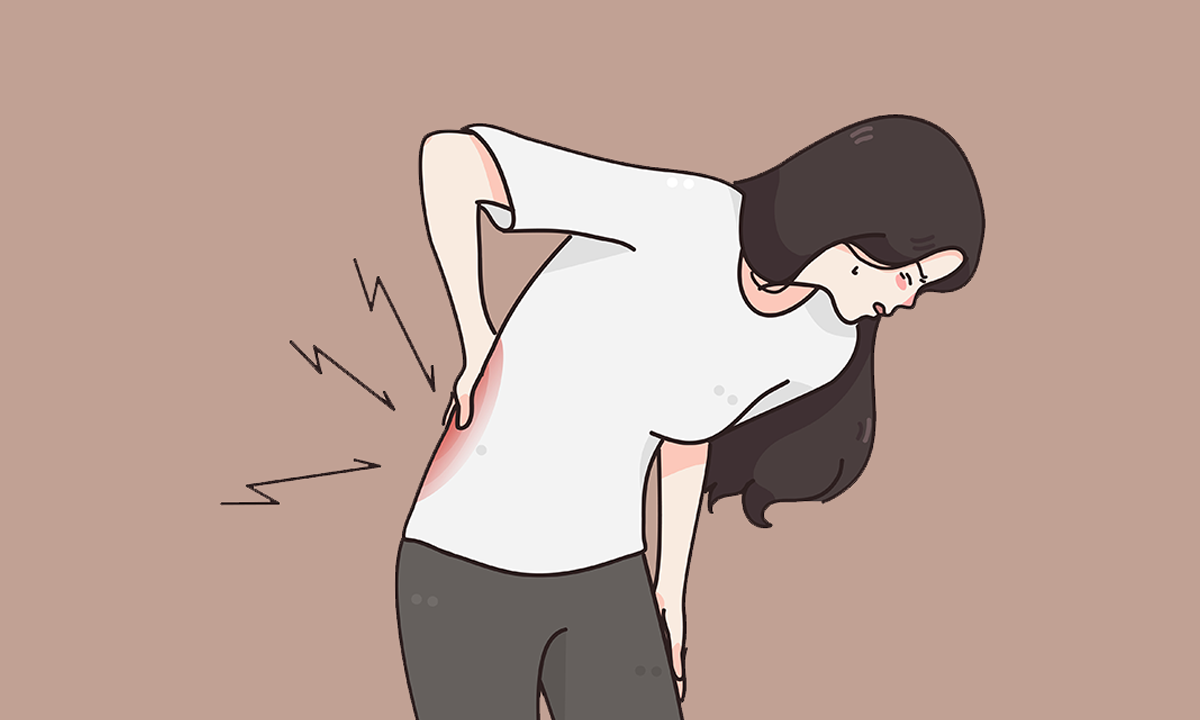
With so many of us spending hours hunched over a laptop or a smartphone, incidences of lower back pain have been on the rise. And if your back pain has become chronic, you have an excruciating understanding of how disruptive it can be. Even the threat of a flare-up is enough to severely limit how much and what you can get done during any given day.
Now, a new study published in JAMA Internal Medicine is shedding light on more effective treatments of lower back pain, with some surprising results.
Researchers at the University of Pittsburgh and University of Minnesota recruited more than 1,000 adults already suffering from acute or subacute lower back pain that had a moderate to high risk of turning into chronic back pain. They separated the participants into four groups. The first received supported self-management, featuring pain education, exercises, relaxation techniques, and strategies for reframing negative thought patterns (supervised by a physical therapist or chiropractor). The second group got a more hands-on treatment—spinal manipulation therapy from a physical therapist or chiropractor. The third group received both programs, and the fourth received treatments from physicians, which included pain relievers and muscle relaxants.
Read more: “Evolution Is Written in Our Joints”
Interestingly, the supported self-management group reported the most improvement. After the 10 to 12 month treatment period, 64 percent of the DIYers said their pain had been cut at least in half (compared to roughly 55 percent in both the medical care and spinal manipulation groups). Oddly, adding spinal manipulation to the supported self-management program didn’t seem to produce any additional benefits.
But even more interesting was why the self-guided therapy seemed to work. According to the researchers, a trio of psychological factors contributed to the self-guided group’s success. Improved self-efficacy, reduced fear of movement, and avoiding negative thinking patterns about pain explained as much as 76 percent of their pain reduction.
In other words, feeling empowered to take on the pain yourself can be a real load off your back. 
Enjoying Nautilus? Subscribe to our free newsletter.
Lead image: Dzianis Vasilyeu / Adobe Stock