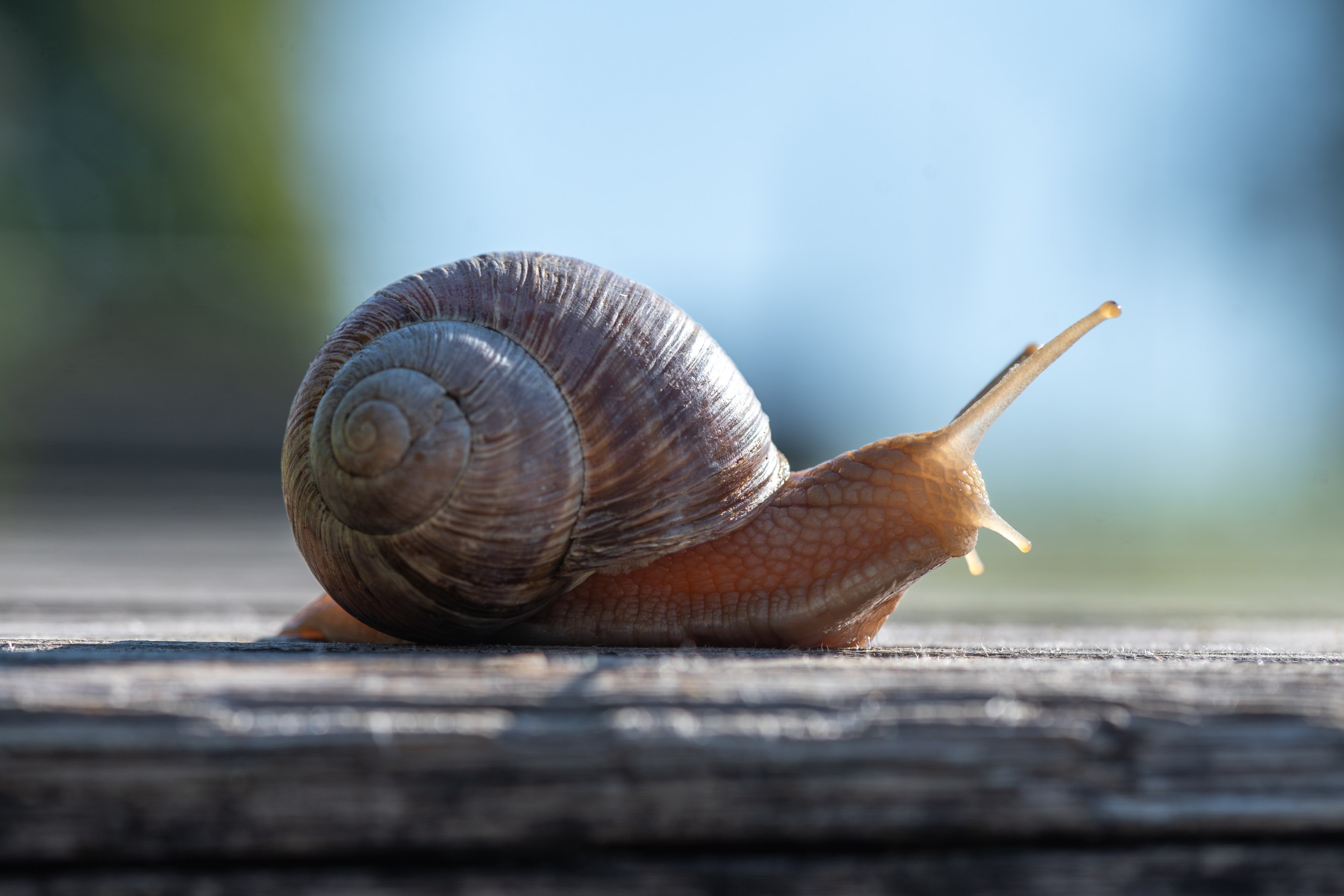
Spain is spinning.
In fact, The whole Iberian Peninsula, which includes Portugal, is slowly rotating clockwise, according to new research published in Gondwana Research.
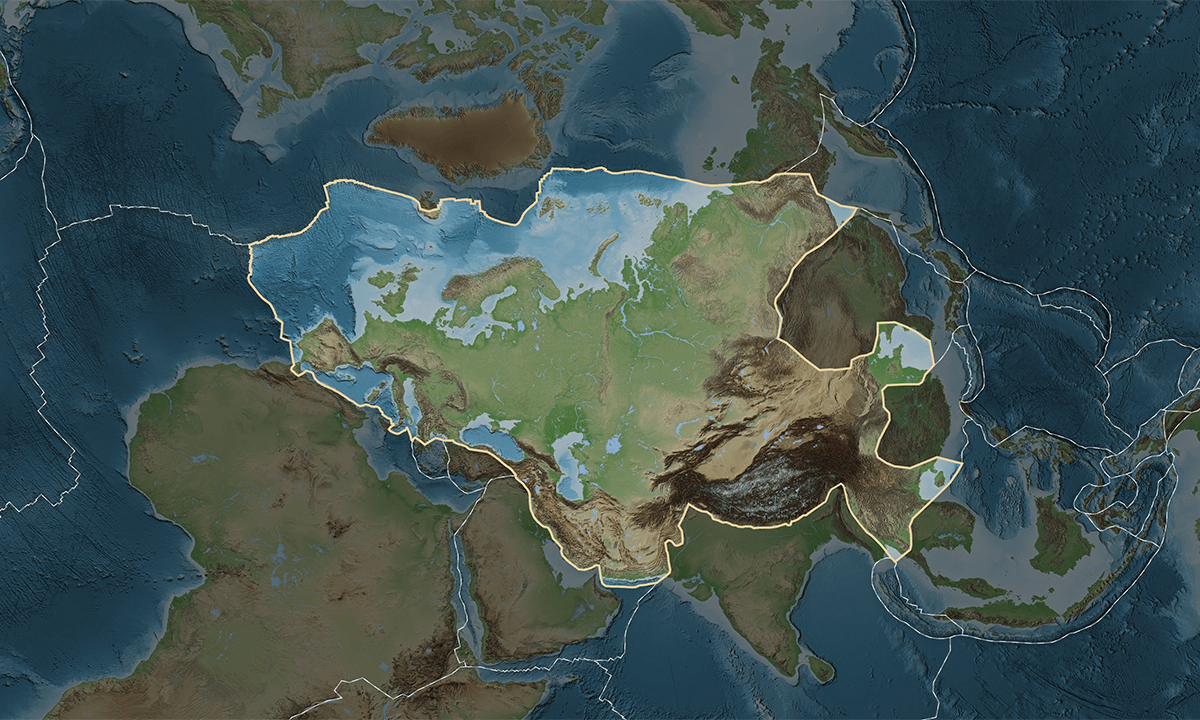
Scientists from Italy and Spain studied the movements of tectonic plates that drift slowly on the face of the Earth—rubbing, and grinding, and colliding, and diving, and separating, and apparently spinning. Specifically, the research team wanted to better understand the features and forces that occur at the interface between the Eurasian plate that underlies most of Europe and Asia and the African plate, which contains most of Africa. Those two plates interact across a vast distance, and one part of that boundary, just south of the Iberian Peninsula, has resisted clear characterization by geologists for many years.
Researchers know that the two massive tectonic plates are moving slowly toward each other—at a pace of less than a quarter inch per year—but the plate interface that underlines Iberia is complex. “Until now we didn’t know exactly what that boundary was like in that environment, and what geodynamic processes are taking place is under discussion,” said co-author Asier Madarieta, a geologist at the University of the Basque Country, in a statement.
Read more: “What Happens to Google Maps When Tectonic Plates Move?”
So Madarieta and his colleagues combined satellite and earthquake data to get a better picture of the geological stresses deforming and straining the crust overlying the plates near that boundary. And that picture indicated that the Iberian Peninsula was performing a glacially slow, clockwise pirouette.
Here’s how it works. The crust that lies just east of the Straits of Gibraltar is being deformed by the African and Eurasian plates smashing into one another. This alleviates some of the strain that would otherwise deform the Iberian Peninsula crust. But to the west of the Straits of Gibraltar, the peninsular crust is being pushed from the southwest as the two massive plates collide, the team of scientists explained. This induces the rotation.
Aside from inspiring whimsical alliteration, the findings could help pinpoint faults and folds in the crust, the movement of which may spark earthquakes. The methods the scientists used could also be applied to other, poorly-characterized areas of the Earth’s crust to help predict temblors.
As our world turns, it’s comforting to know that scientists are working to better understand the dynamic nature of the ground under our feet. 
Enjoying Nautilus? Subscribe to our free newsletter.
Lead image: zelvan / Shutterstock