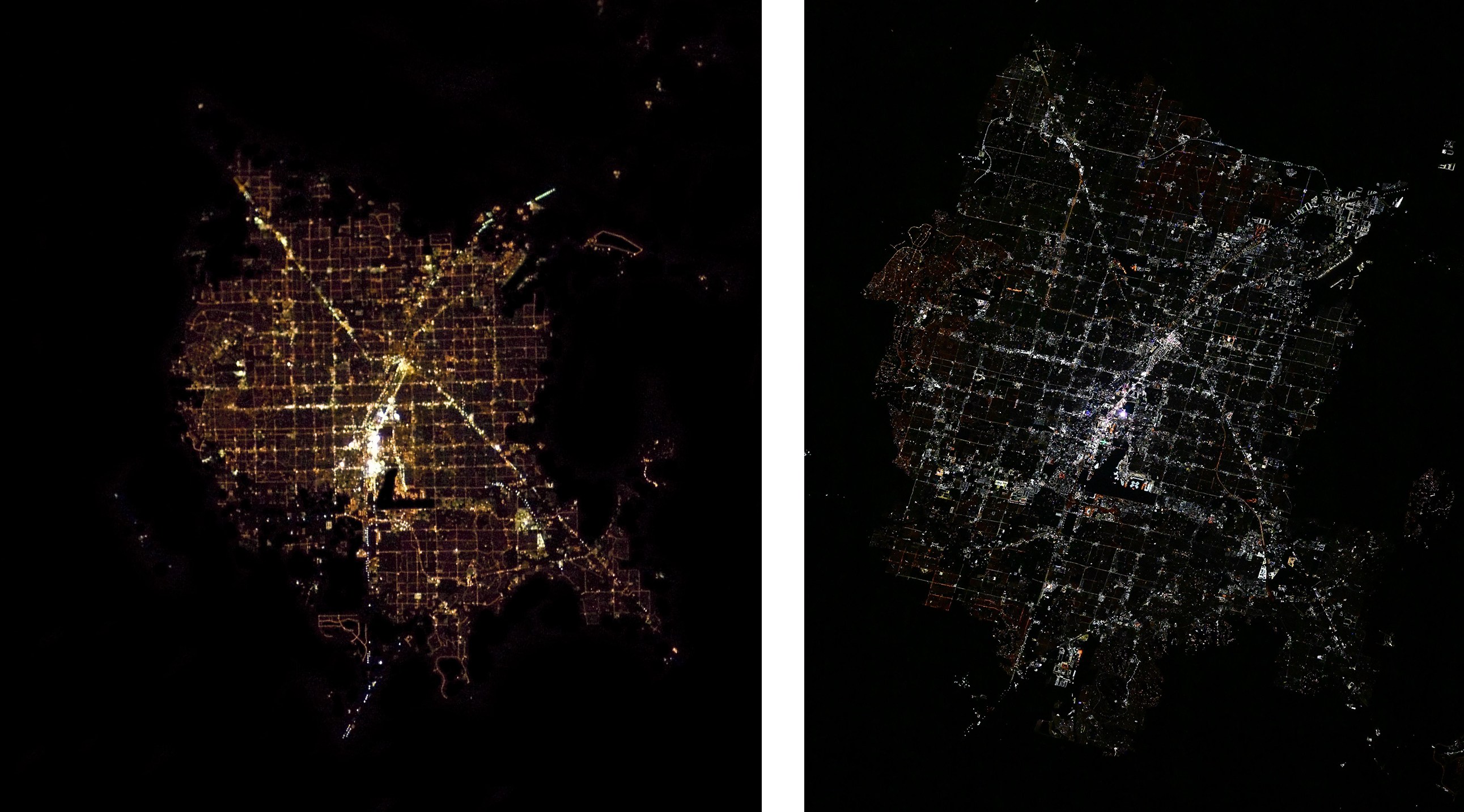
If an intelligent
alien species landed on the small bit of galactic rock that we call
home, they might get out of their spaceships, have a look around, and
decide that we—that is, our species—are the master builders on
our planet. There would be plenty of reasons to think so. We build
bridges spanning enormous waterways, aptly named skyscrapers, and
stadiums that seat tens of thousands. And that doesn’t even scratch
the surface of the diversity of structures we build: schools,
airports, apartment buildings, shopping malls, a Starbucks on every
corner.
But we’re not
the only species that modifies the environment to suit its needs.
Some animals simply set up shop in pre-existing spaces, like bears
that spend the winter hibernating in natural caves. Some can build a
home by simply moving around an impressive amount of dirt, like
gophers and ants. Some animals, however, create more elaborate
spaces, transforming their environment in the process. If a group of
aliens did land on our planet, they would just have to look a bit
harder to see it.
One
common way in which animals change their environments is by building
their homes. Birds are the most well-known nestmakers, to be sure.
While some are content to just pile up some leaves and twigs and
clumps of mud, other species are more skilled in their architecture.
Bowerbirds create their nests bowers by gathering up as many
colorful and shiny objects as they can. They will readily combine
flowers, shells, and bits of plastic, and many work hard to coordinate colors. But while the
choice of materials may seem haphazard, the arrangement certainly is
not: The objects are carefully laid out so that, thanks to forced perspective, the male will seem physically larger to a passing female. The larger the male, the more
likely the female will mate with him. Sociable weavers, a bird native
to Southern Africa, also build elaborate nests that are like apartment complexes dominating the
skyline upon the otherwise flat desert floor.
The
real animal architects, though, are beavers. These semi-aquatic
rodents, the second largest in the world after capybaras, are
classified as “http://www.ecology.info/ecosystem-engineers.htm“>ecosystem
engineers,” because of the effects of their dams on
streams: mucking up water chemistry, altering biological diversity,
and changing the population of streamside trees and plants.
Beaver
dams trap an appreciable amount of water, creating large ponds that
http://wdfw.wa.gov/living/beavers.html“>are
key for the animals’ survival:They increase the amount of
habitat available to beavers, who build their homes in the ponds;
encourage the growth of plants that beavers like to eat, in places
they can easily reach; and help them evade their main predators,
wolves, who can’t reach
beavers’ underwater lodges. In the northernmost reaches of North
America, beavers can cut more than a metric ton of wood each year,
all within 100 meters of their dam. Dam construction even alters the
amount of carbon and nitrogen that gets recycled by the water. The
organic carbon in a flowing stream gets replaced every 24 years; it
takes 161 years to replace the carbon in a dammed pond.
But dam
construction affects the environment even more profoundly. When a
beaver builds a dam, the community of river-dwelling invertebrates
that prefer running water, like blackflies, scraping mayflies, and
spinning caddisflies, is wholly replaced by a new community comprised
of pond-dwelling critters like dragonflies, worms, and filtering
clams. More impressively, dams increase the total biomass of
water-living organisms by two to five times, compared with the
flowing patches of river between dams. Beaver dams actually create
entire wetland ecosystems, which host great biodiversity, recharge
aquifers, absorb pollutants, and buffer against both flood and
drought; they are consequently some of the more important parts of
the natural world.
Of course, our
buildings are not the only way we change the planet: . We cut or burn
through acres of trees. We split mountains into pieces in search of
minerals and gems. We put vast amounts of carbon dioxide into the
atmosphere.
Some other species
also change their environments as a side effect of their
industriousness. Photosynthesis in plants, for example, produces the
oxygen in our atmosphere, which all animals are dependent on. Indeed,
oxygen in Earth’s atmosphere might be the most obvious sign of life
for an alien to notice from afar, and is arguably a greater change
than anything humans have done. But oxygen is a byproduct of plant
life, not an “effort” by plants to make their own lives better.
For this reason, processes like photosynthesis are fundamentally
different from the sorts of construction that birds and chimps and
beavers do.
Humans are
undoubtedly the most influential engineers, at least among animals.
The beavers will have to be satisfied with silver-medal status.