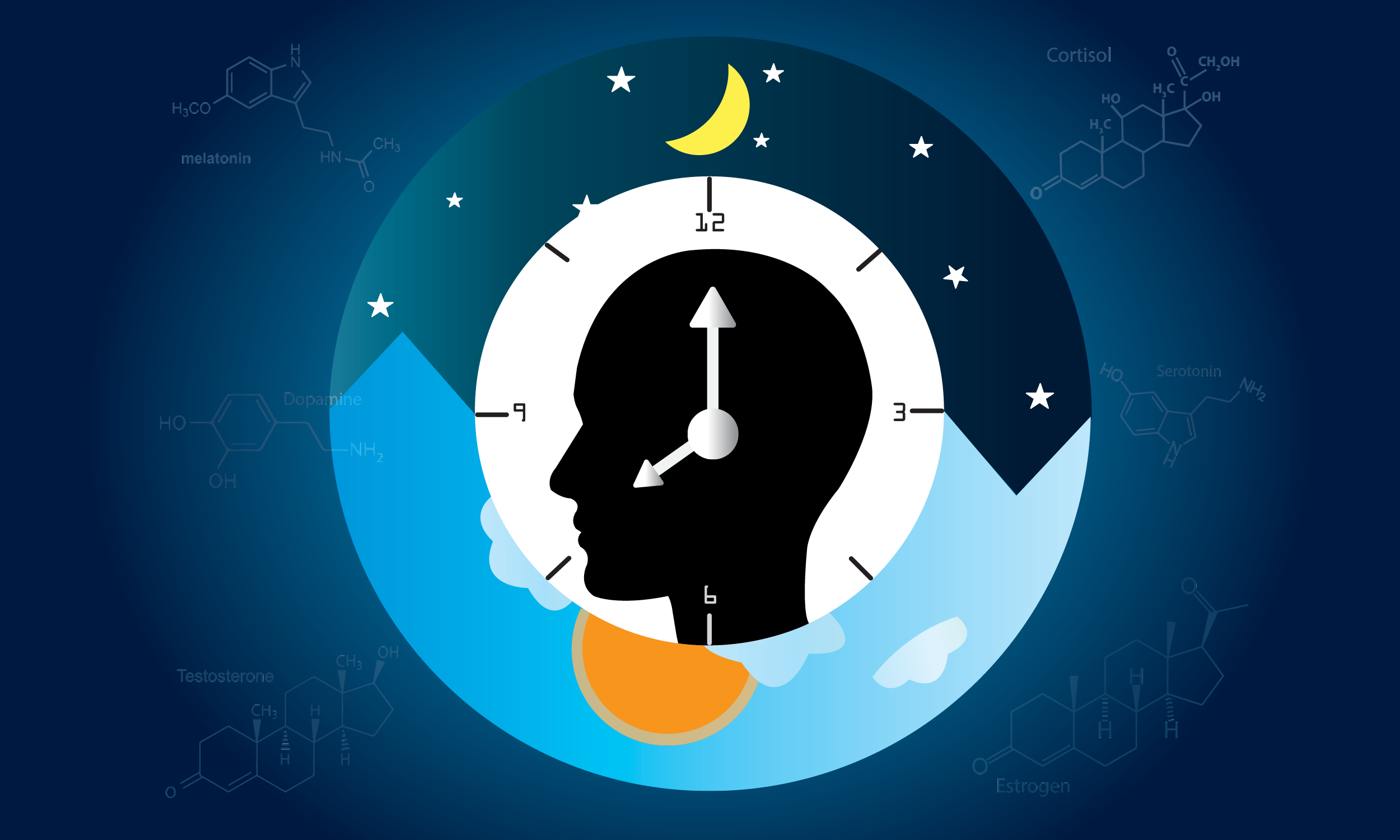
Daylight Saving Time is upon us, which means we’ll once again get more sunlight in the evening at the cost of an hour of sleep and a little turmoil in our internal clocks. In the terms of circadian science, these transitions represent “phase shifts” of our biological clocks, advancing them by an hour in the spring and delaying them again in the fall.
But why do our bodies keep time in the first place? We don’t know for sure, but biological clocks have evolved multiple times in different organisms, beginning with some of the first life-forms on Earth (cyanobacteria), and their ubiquity suggests an incredible utility. While early clocks were simple molecular circuits, they’ve grown more intricate in more complex life-forms.
Circadian rhythms, or the daily ebb and flow of biological activities, are governed by these internal timekeepers, which in turn take their cues from external stimuli called “zeitgebers” (German for “time giver”). The most powerful zeitgeber is, of course, light, but there are others as well, including temperature, food, activity, and more.
So how does it work?
Read more: “The 19th-Century Entomologist Who Dreamed Up Daylight Saving”
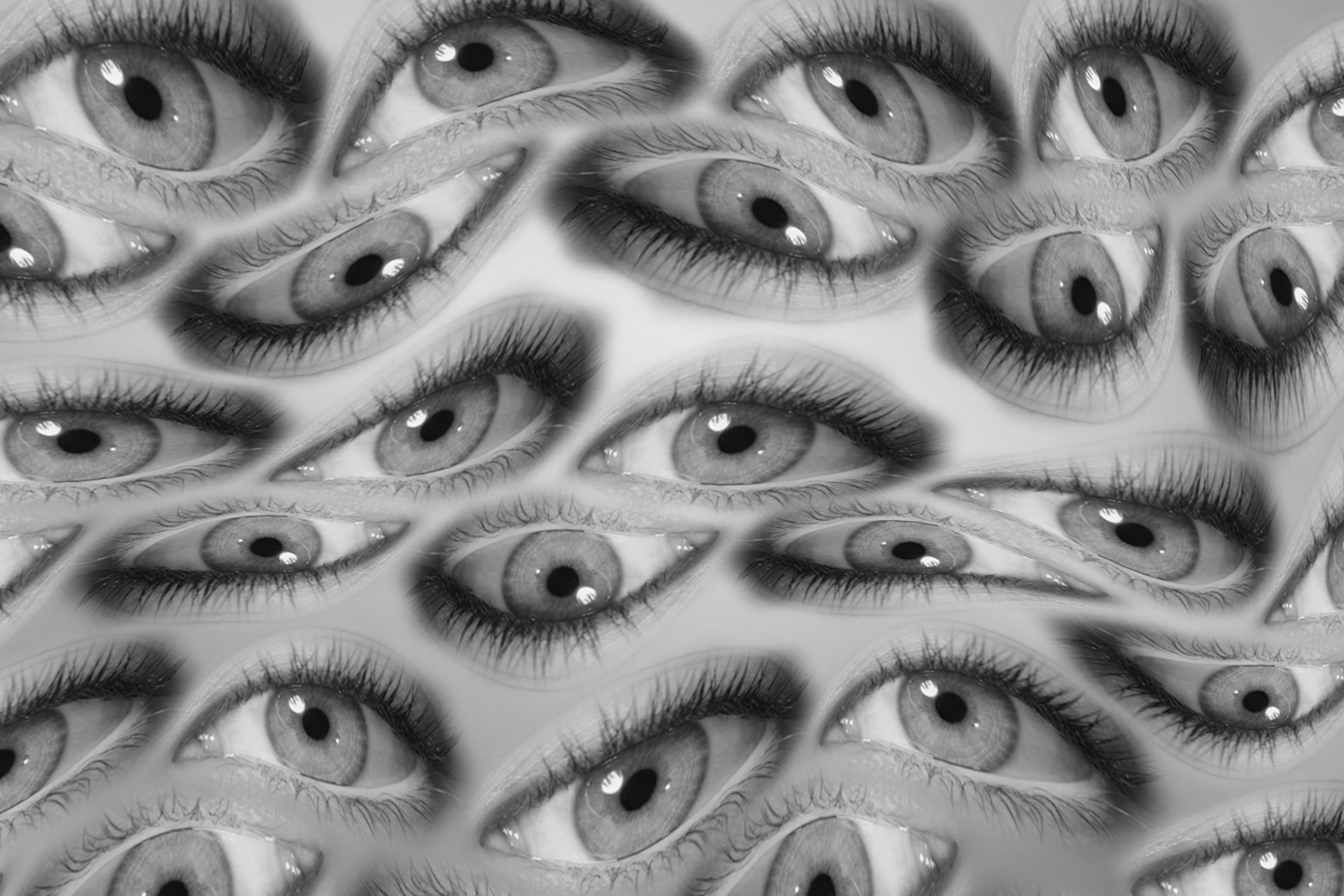
In humans (and other mammals), light strikes ganglion cells in our eyes that connect to the suprachiasmatic nucleus (SCN) in the hypothalamus. The SCN is responsible for interpreting the information about the length of the day, and passes it along to the pineal gland, which produces melatonin at night to make us sleepy, inhibiting its production during the day.
While this system makes up our body’s master biological clock, there are other peripheral clocks as well. Our livers, kidneys, blood vessels, muscles, and more can all keep circadian time, regulating gene expression along with the time of day. In fact, almost every cell in our bodies has internal molecular timekeeping machinery.
It’s a complex system, and it’s no wonder that jolting it forward and backward throws a monkey wrench into things. Case in point: The shift to Daylight Saving Time and back again has been associated with a whole host of increased health risks, including heart attacks and strokes.
To ease your adjustment to the new spring schedule, experts recommend going to bed a little earlier each night leading up to the change, getting plenty of light in the morning, and limiting it at night. Most importantly, remember to give yourself a break. After all, you’re recalibrating a complex timekeeping machine honed by millions of years of evolution. 
Enjoying Nautilus? Subscribe to our free newsletter.
Lead image: kanyanat wongsa / Shutterstock