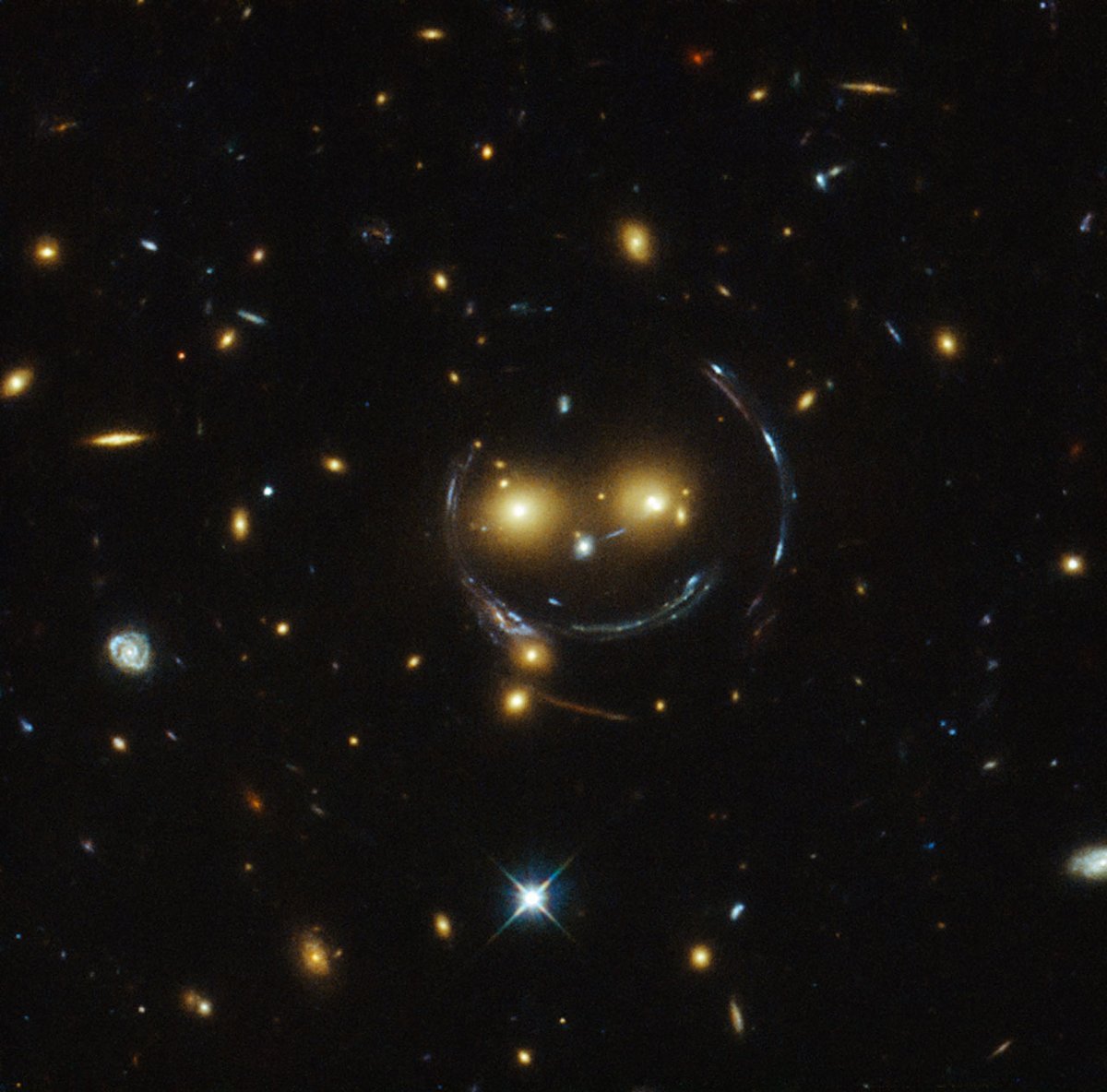
Home to over 100 billion stars, including our sun, the vast Milky Way is understandably difficult to simulate with computer models. The most sophisticated models available can only simulate the mass of about 1 billion suns, which means the smallest unit of resolution in these images still represents an average of around 100 stars—making for a relatively blurry picture. Now, in a major milestone for AI-assisted computer modeling, researchers have created a 100-billion-star simulation of the Milky Way that’s capable of tracking individual stars.
The breakthrough came with an assist from an AI deep-learning surrogate that helped researchers overcome a particularly thorny sticking point—supernova behavior. Simulating the fine particulate matter these exploding stars spew into space creates a heavy computational load and headaches for human researchers. By feeding the deep-learning surrogate high-resolution supernova simulations, a team led by Keiya Hirashima from the RIKEN Center for Interdisciplinary Theoretical and Mathematical Sciences was able to teach the program to predict how gas from a supernova would spread 100,000 years in the future. With AI sweating the small stuff, the rest of the simulation was freed up to focus on the big picture.
The result is a new model that not only includes 100 times more stars than the best simulations to date, but one that was generated over 100 times faster. The model was recently presented at SC '25, an international supercomputing conference.
Read more: “The Galaxy That Got Too Big”
Going forward, Hirashima and his team have high hopes for their new hybrid modeling technique. “I believe that integrating AI with high-performance computing marks a fundamental shift in how we tackle multi-scale, multi-physics problems across the computational sciences,” Hirashima said in a statement. “This achievement also shows that AI-accelerated simulations can move beyond pattern recognition to become a genuine tool for scientific discovery—helping us trace how the elements that formed life itself emerged within our galaxy.”
In addition to modeling galaxies, their new approach also promises to elucidate more earthly phenomena, including oceanography, meteorology, and climate change. 
Enjoying Nautilus? Subscribe to our free newsletter.
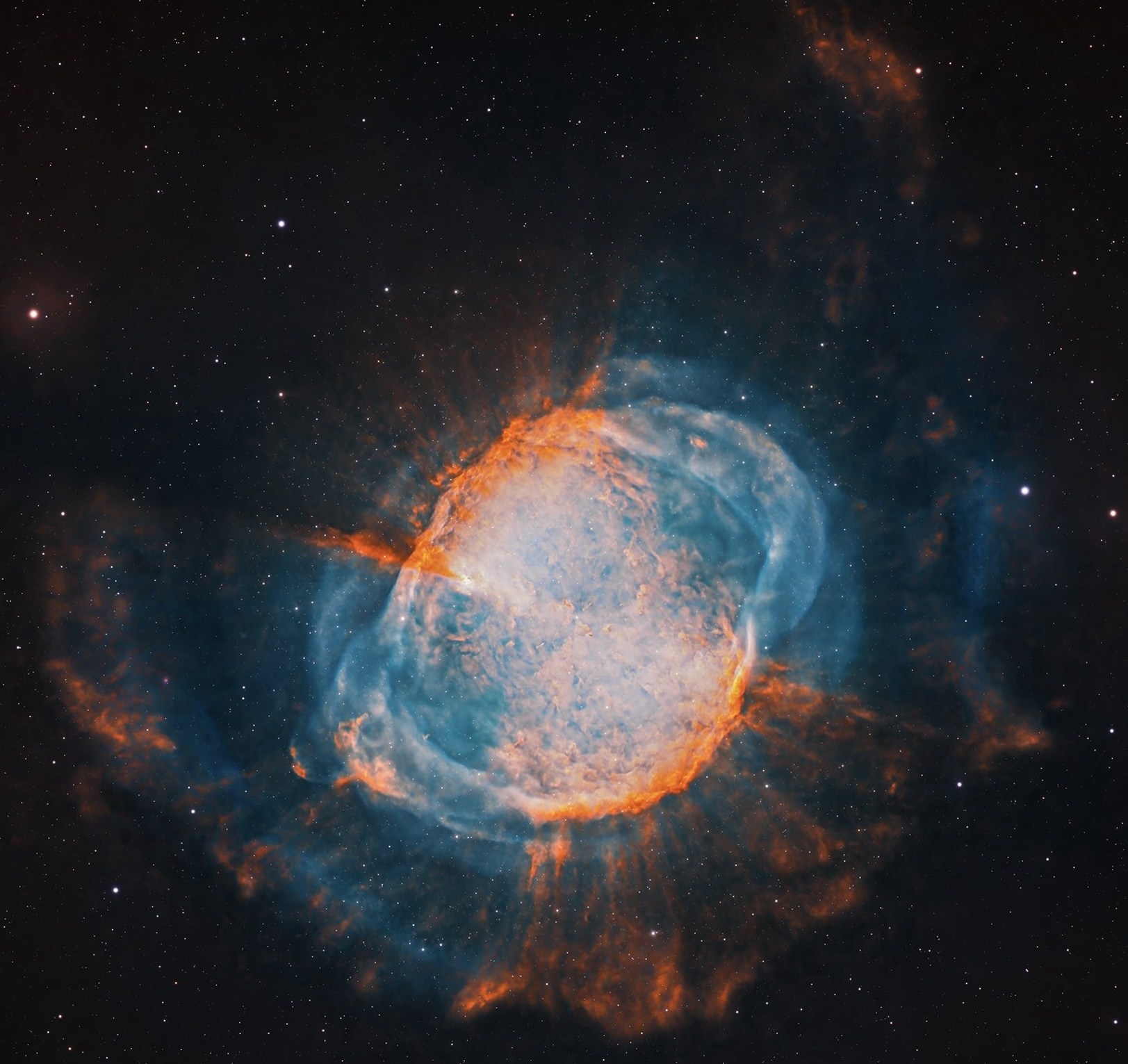
Lead image: NASA/JPL-Caltech/ESA/CXC/STScI