In the 2007 movie The Mist (based on a Stephen King novella), a mysterious fog creeps over a small town in Maine, bringing all manner of Lovecraftian monsters with it. As the locals take shelter in a grocery store, a distraught man runs toward them screaming, “Something in the mist!” According to new research from Arizona State University published in mBio there is something in the mist—and it’s alive.
Scientists have long known that microorganisms like fungi, bacteria, and algae inhabit clouds and even float among us, but any aerobiome hiding in fog has been more of a question mark. “There’s very limited knowledge about what kinds of bacteria are present in fogs, which are like clouds at the ground level,” study author Thi Thuong Thuong Cao said in a statement.
To investigate, Cao and her team traveled to fields near Selinsgrove, Pennsylvania. There, they took samples of dry air, and also set up collectors to capture radiation fog that forms when the ground cools. Their analysis revealed less than 1 percent of fog droplets contained bacteria. While this doesn’t sound like a lot, given the volume of fog, it adds up to a bounty of life. “When you take all of the droplets together, the concentration of bacteria is the same as in the ocean,” study co-author Garcia-Pichel explained.
Read more: “The Surprising Importance of Stratospheric Life”
What exactly is living in the mist?
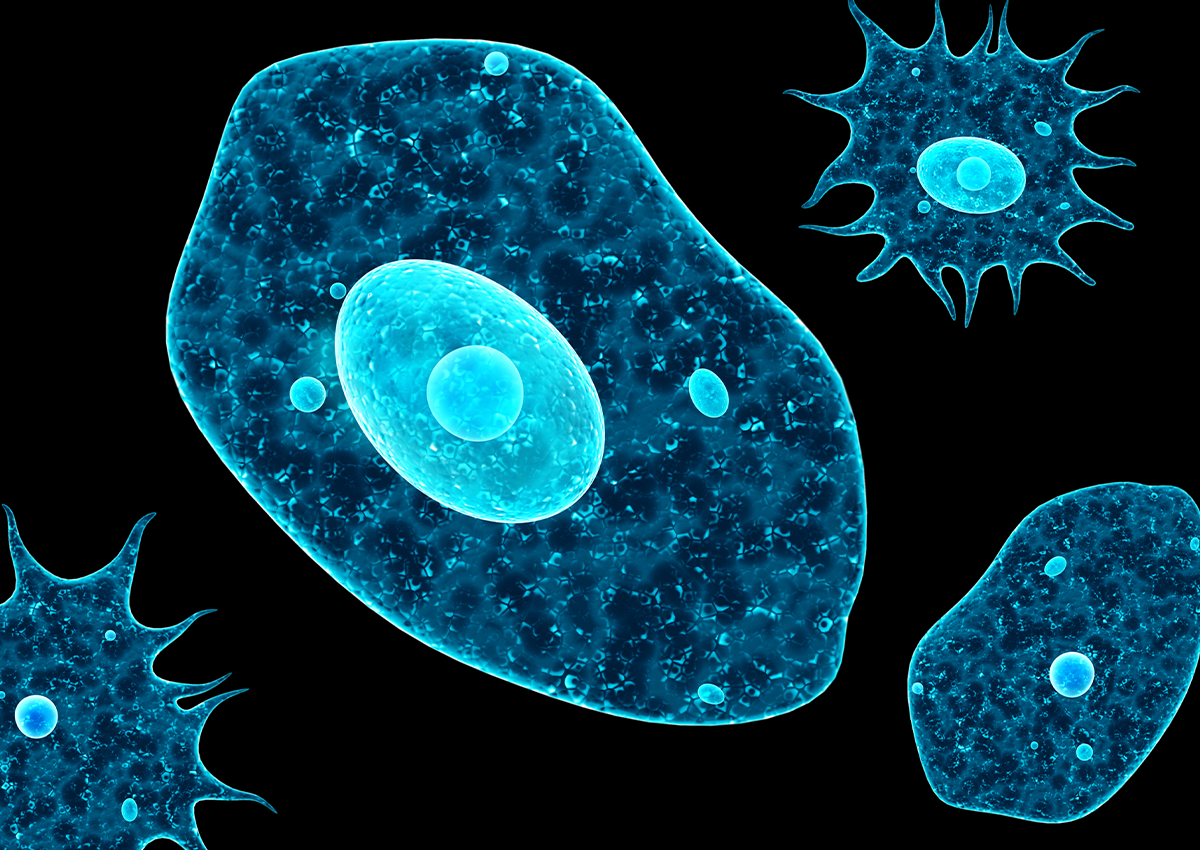
The team discovered an abundance of methylobacteria in the droplets. Typically living in soil and on plant surfaces, bacteria from this genus can digest the simplest organic compounds (those with only one carbon atom), including toxic formaldehyde. Samples taken before and after fog formation showed an increase in their numbers, but they’re more than passive hitchhikers—a closer look under a microscope revealed they were thriving and dividing in the mist.
“We observed them under the microscope to see that, yes, the bacteria are getting bigger and they’re dividing, so there is growth,” Cao said. “We also found that they’re using the formaldehyde as food to support their growth.”
Formaldehyde is a common atmospheric pollutant that contributes to ozone smog and respiratory illnesses. In high concentrations, it’s also toxic to the bacteria that eat it, and the team discovered methylobacteria break it down into carbon dioxide to keep levels low. In other words, the bacteria in fog is actually helping to clear the air.
So don’t fear the mist monsters, they’re here to help. 
Enjoying Nautilus? Subscribe to our free newsletter.
Lead image: ValentinValkov / Adobe Stock