Did life originate on Earth, or could it have been seeded here, originating on some other planet, like Mars? The latter scenario would involve extraterrestrial material getting ejected from its home planet and making the trip through space, likely on an asteroid. But could living material survive the journey? New research published in PNAS Nexus says yes.
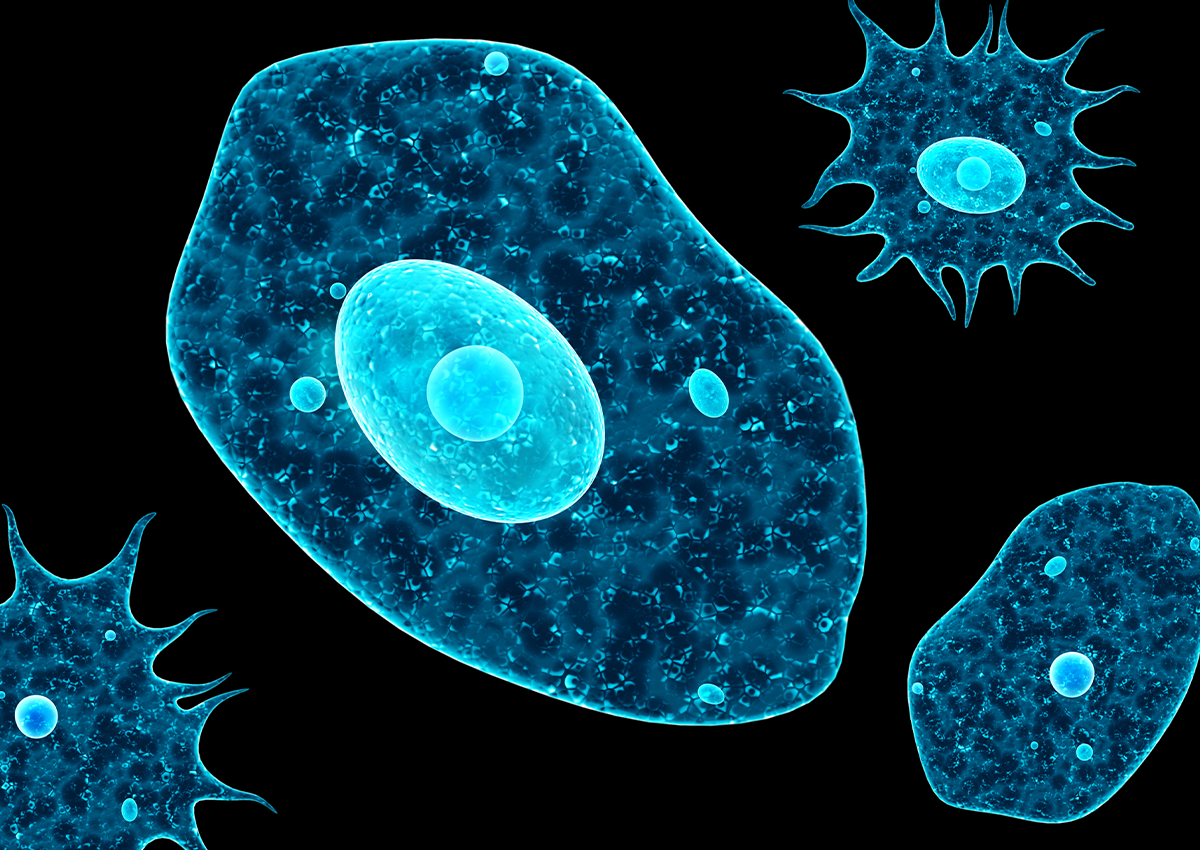
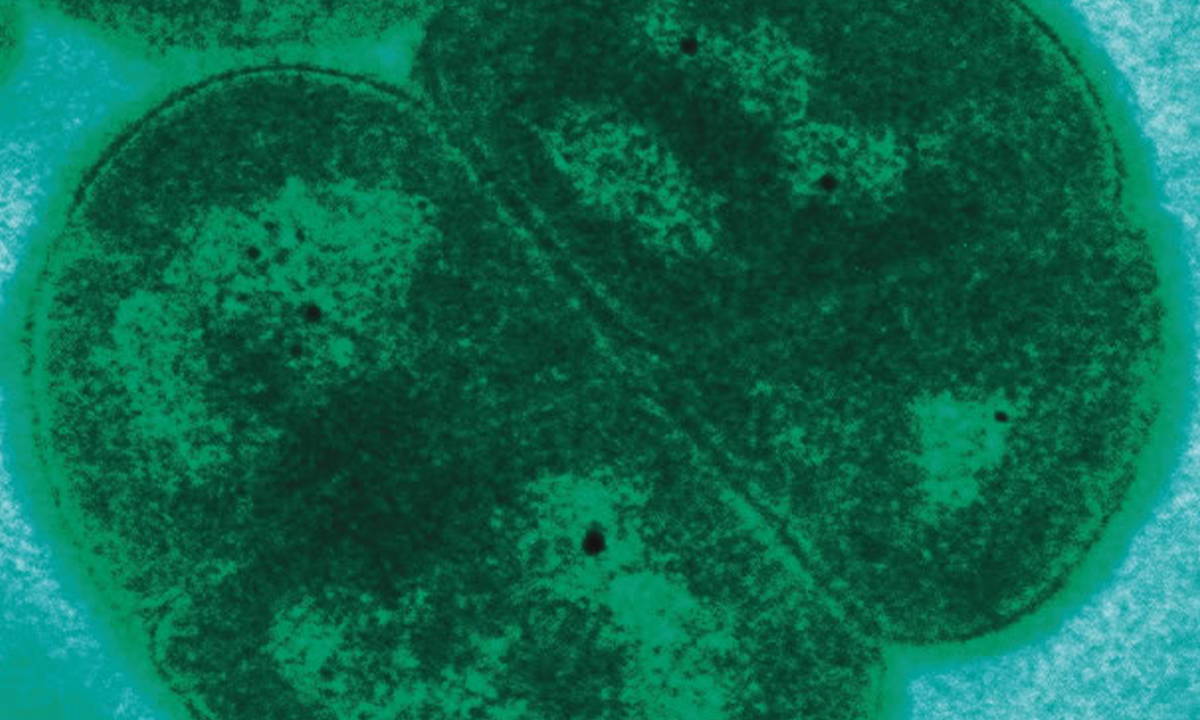
To investigate the “lithopanspermia hypothesis,” a team of Johns Hopkins University researchers led by K.T. Ramesh simulated the severe conditions of the voyage on a terrestrial bacteria known for its resilience: Deinococcus radiodurans. Capable of withstanding freezing temperatures, extreme pressure variations, dehydration, radiation, and even acid, this desert bacterium is the very definition of a survivor.
“We do not yet know if there is life on Mars, but if there is, it is likely to have similar abilities,” Ramesh said in a statement.
Read more: “Why Discovering Martians Could Be Disappointing”
To find out how it might fare on an interplanetary trip bookended by violent collisions, the team squished D. radiodurans between two metal plates and fired a projectile from a gas gun at 300 miles per hour. The impact subjected the bacterium to pressures of one to three gigpascals—less than a tenth of the pressure found at the bottom of the Mariana Trench.
The results? D. radiodurans proved to be incredibly tricky to kill, surviving almost all the pressure tests at 1.4 gigapascals with no signs of damage and 60 percent of tests at 2.4 gigapascals.
“We expected it to be dead at that first pressure,” said study co-author Lily Zhao. “We started shooting it faster and faster. We kept trying to kill it, but it was really hard to kill.”
In fact, the bacterium was so durable the team wrecked its testing apparatus trying to eliminate it.
“We have shown that it is possible for life to survive large-scale impact and ejection,” Zhao said. “What that means is that life can potentially move between planets. Maybe we’re Martians!”
It’s an exciting experiment with fascinating implications, but it’s also just cool to watch things smash into each other. 
Enjoying Nautilus? Subscribe to our free newsletter.
Lead image: Michael Daly, Uniformed Services University / Wikimedia Commons