Homer’s Iliad is the closest thing the ancient world had to a bestseller. Along with its companion epic poem, the Odyssey, the texts—which were likely distillations of older oral traditions—were cornerstones of education in classical Athens. Written by Homer sometime in the eighth or seventh centuries B.C., the Iliad and the Odyssey were widely read across ancient Greece by the fifth century, and their popularity did not wane as successive cultures rose and fell around the Mediterranean.
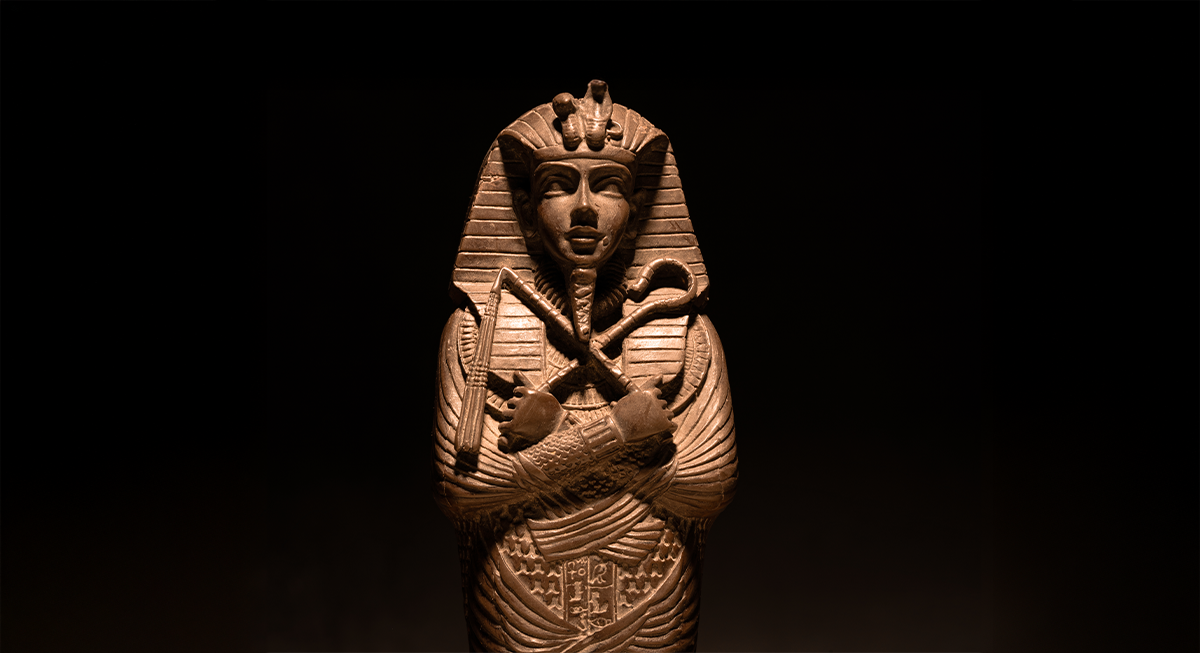
Romans in particular, were fascinated by ancient Greek culture, and Homer’s works would have been well known to many citizens of that sprawling empire. Now researchers working in a renowned Egyptian archaeological site have found a scrap of the Iliad written on papyrus that they say was deliberately incorporated into the abdomen of a mummy buried there. The site is in the Egyptian town of Al Bahnasa, which in ancient times was known as the Greco-Roman city of Oxyrhynchus, named after a Nile fish species sacred to ancient Egyptians. The tomb containing the Greek text dates to about 1,600 years ago, when the area was part of the Roman empire.
Read more: “This Mummy’s Tattoos Are Better Than Yours”
Although Oxyrhynchus had previously yielded papyrus scraps containing Greek writing interred with other mummies, those older finds contained bits of ritualistic or magical text. And researchers had previously found other bits of Greek literary text, but never a scrap that was intentionally incorporated into a mummy. This was the first piece of papyrus to emerge from the ancient city that displayed literary content that was purposely inserted into a mummy.
“This is not the first time we have found Greek papyri, bundled, sealed, and incorporated into the mummification process, but until now, their content was mainly magical,” Ignasi-Xavier Adiego, the University of Barcelona classical philologist who serves as the director of the Oxyrhynchus Archaeological Mission, said in a statement. “Furthermore, it is worth noting that since the late 19th century, a huge number of papyri have been discovered at Oxyrhynchus, including Greek literary texts of great importance, but the real novelty is finding a literary papyrus in a funerary context."
The specific passage from the Iliad, which details the final weeks of the decade-long Trojan War, was a list of enemy ships bound for Troy that appears in Book 2 of the epic poem. Esther Pons Mellado, a University of Barcelona archaeologist that codirects the Oxyrhynchus mission, told LiveScience that the Iliad excerpt was stuffed into the abdomen of the Roman-era mummy to protect the person as they traversed the afterlife. She added that the mummy was of an adult male, but that further details of the deceased were still under investigation. 
Enjoying Nautilus? Subscribe to our free newsletter.
Lead image: matiasdelcarmine / Adobe Stock