Getting good sleep is easier said than done. Sometimes you can crash out for hours and still wake up groggy; other times you wake up from a 45-minute nap ready to take on the world. That’s because the feeling that you’re well rested isn’t just a function of your time spent slumbering, it’s partially subjective. New research published today in PLOS Biology suggests our dreams may play a role in this feeling.
Broadly speaking, there are two kinds of sleep: non-rapid eye movement sleep (non-REM sleep), and rapid eye movement sleep (REM sleep). Non-REM sleep includes so-called “deep sleep,” characterized by slow brain waves, very little activity, and no awareness. REM sleep, on the other hand, is characterized by more wakeful brain activity and intense dreams, yet it’s also experienced as deep sleep.
So what’s going on?
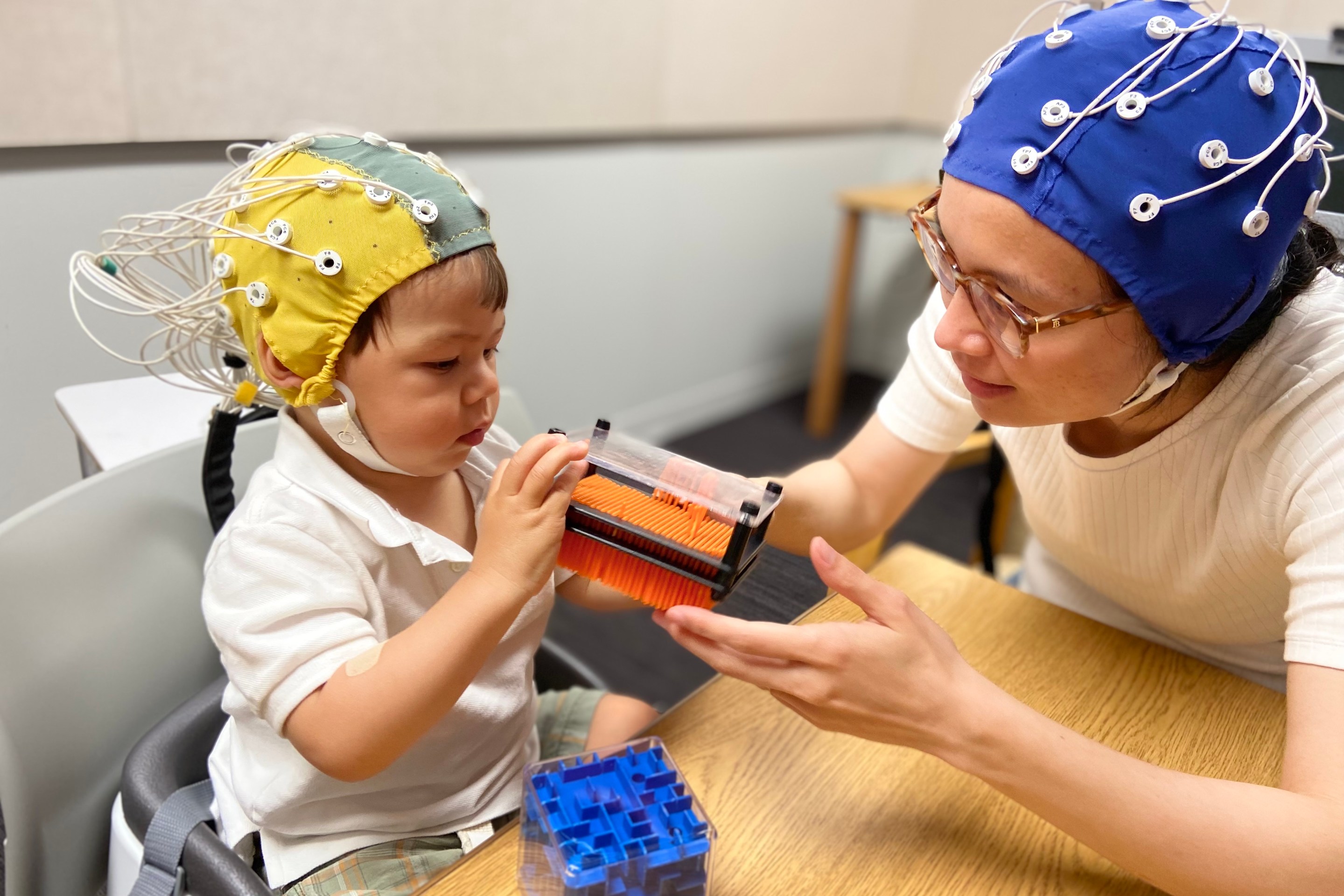
To find out, neuroscientists from the IMT School for Advanced Studies Lucca in Italy recruited 44 adults to spend several nights dozing in a sleep lab while their brain waves were monitored with high-density electroencephalography. They then woke the participants during non-REM sleep, asking them to report their mental experiences prior to waking and rate both their sleep depth and current sleepiness.
Read more: “Does Dream Inception Work?”
They found that participants reported their deepest subjective sleep experiences not just after a period of unconsciousness but also after particularly immersive and vivid dreaming.
“In other words, not all mental activity during sleep feels the same: The quality of the experience, especially how immersive it is, appears to be crucial,” study author Giulio Bernardi explained in a statement. “This suggests that dreaming may reshape how brain activity is interpreted by the sleeper: The more immersive the dream, the deeper the sleep feels.”
They also found that while physiological markers of needing sleep waned throughout the night, participants reported feeling a deeper sleep sensation. This somewhat paradoxical phenomenon coincided with a rise in the immersiveness of dreams, suggesting that dreams themselves foster deep-sleep experiences.
“If dreams help sustain the feeling of deep sleep, then alterations in dreaming could partly explain why some people feel they sleep poorly even when standard objective sleep indices appear normal,” Bernardi said. “Rather than being merely a byproduct of sleep, immersive dreams may help buffer fluctuations in brain activity and sustain the subjective experience of being deeply asleep.”
In other words, Sigmund Freud may have been on to something when he wrote, “Dreams are the guardians of sleep and not its disturbers.” 
Enjoying Nautilus? Subscribe to our free newsletter.
Lead image: Natalllenka.m / Shutterstock