Food, food, food. Eat salmon, just not farmed. Wine is good for you. No, it's not. Fasting boosts your immune system. Check that, it gives you migraines. Cottage cheese is the best protein. What do you mean you don't like kale? It fights cancer. No, really, ice cream protects against diabetes. Blueberries are the best antioxidant. Whatever that is. Vitamin supplements do nothing. Omega-3s in anchovies boost your memory.
Oh, never mind.
Here's Albert-László Barabási, a professor of network science and physics at Northeastern University, who studies the molecular makeup of food. "We have absolutely no clue what’s in our food.”
Barabási and food scientist David Wishart are on a mission to identify the "dark matter" of chemical compounds in food. They estimate an average food item contains 20,000 to 50,000 compounds. Their goal is to magnify the hidden environment that surrounds us, infiltrates our food and affects our health, for better and worse.
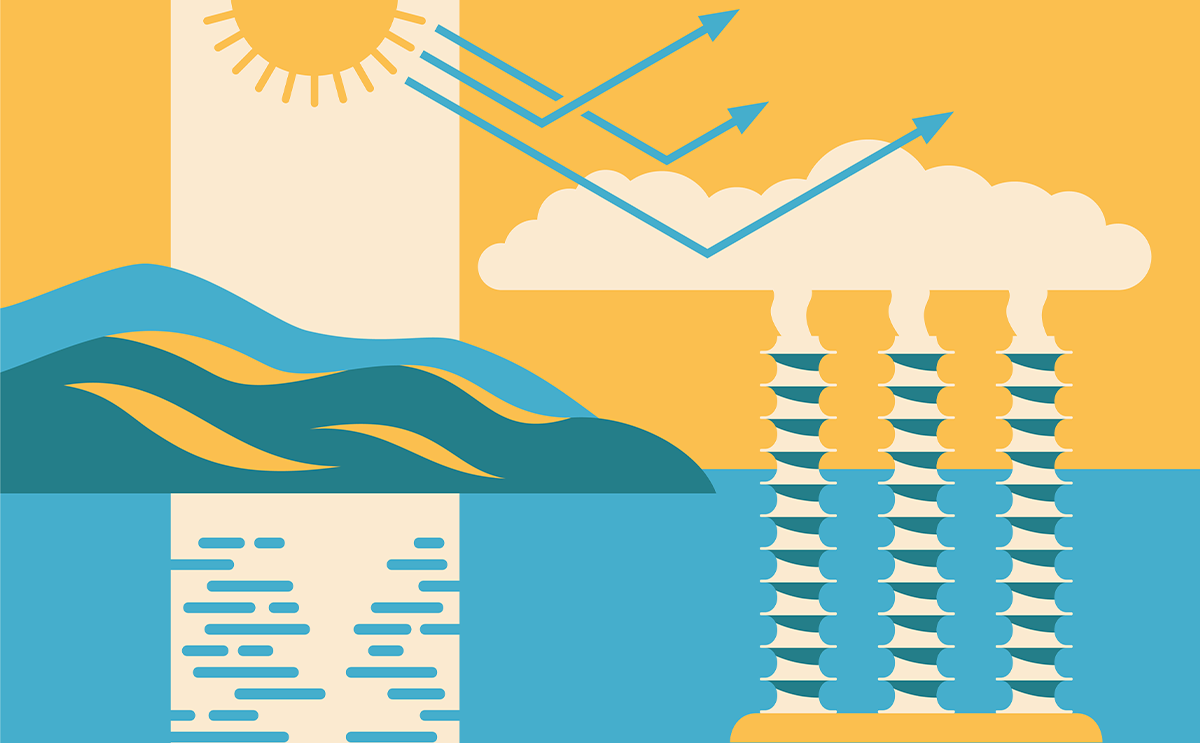
Indeed, the mix of food and the environment is the focus of this section. Our writers reveal what we can learn about ourselves today from the fact our hominin ancestors were once prey. They explain what's likely to be cooking when our planet is on broil. And they brush away the negativity to explain how the environment brings out the many pleasures of eating in the here and now.
Bon appétit.