Lately I’ve been hearing a kind of spectral music in the background of my daily life. It’s a syncopated, repeating MIDI ditty that conjures a feeling of excitement and invigorating challenge. I recently recognized it, and in the process experienced an intense wave of nostalgia.
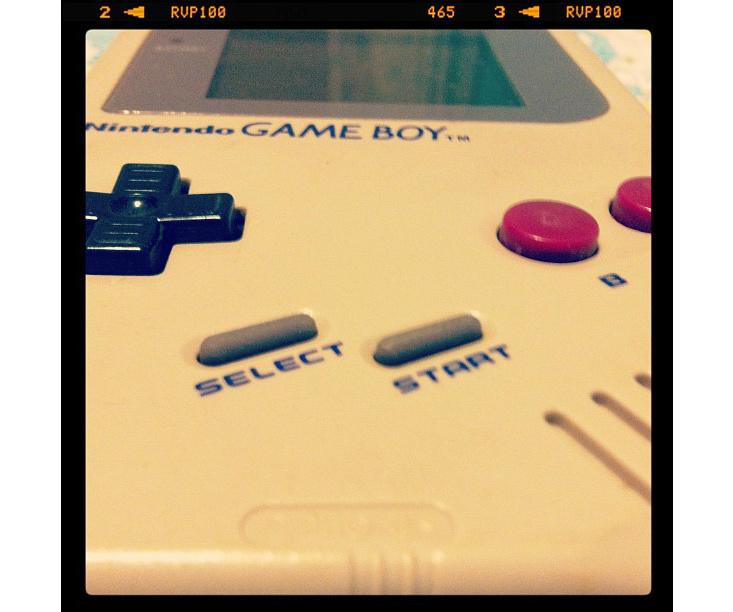
It’s the battle theme from the game Pokemon for Gameboy, circa 1996.
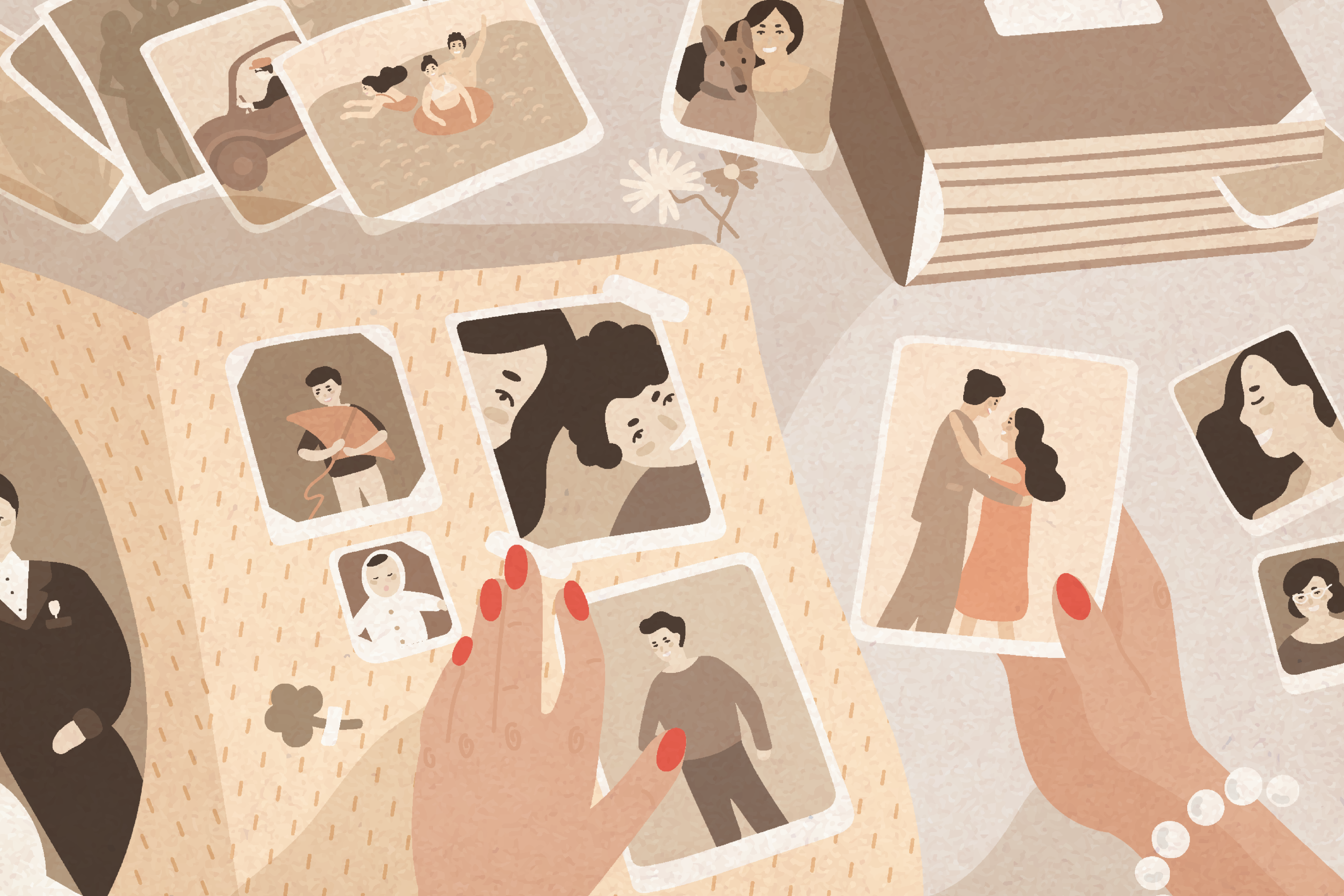
Nostalgia is a deeply mysterious emotion. It was given that name in 1688 by a Swiss doctor, who diagnosed “a sad mood originating from the desire for return to one’s native land.” It was an illness, writes historian Svetlana Boym in her book The Future of Nostalgia: It could be induced in Swiss mercenaries far from home by traditional dishes and folk songs from their homelands (they were forbidden from singing those folk songs for that reason), but “doctors believed that opium, leeches and a journey to the Swiss Alps would take care of nostalgic symptoms.” Sadly, or fortunately—it’s very hard to say which—nostalgia has not been that easy to cure, to the extent that today nostalgia connoisseurs can be found searching out the glorious past or the long-lost homeland in just about every area of discourse.
But, judging from an unscientific survey of the Internet, video games in particular seem to yank people back into the past. People flock to sites like Abandonia, which provides downloads of old DOS games abandoned by their parent companies. Enormous resources are dedicated to the discussion of long-since defunct franchises in online forums. Gaming magazines regularly ponder the nostalgia people attach to these childhood entertainments. One recent article in particular brings some science to bear on the subject: Jamie Madigan, who writes about the psychology of video games, suggests they may be uniquely suited to provoking nostalgia.
There’s a large body of research suggesting that nostalgia, despite the implied disconnection from the present and romanticization of the past, can be a helpful coping mechanism. It can make us happier when we’re sad, and appears to help us through life transitions. (For a recent summary of research, see this New York Times article.) Madigan suggests that thinking about the games of one’s childhood can contribute to a sense of life-long continuity, one of the apparent benefits of nostalgia—people may feel, looking back at the history of a favorite franchise, that they were involved in some early phase of it, placing them solidly as part of a trajectory. Memories of video games may involve memories of good times with friends, setting up multiplayer experiences, sitting together on the couch, and so on, he writes, connecting video-game nostalgia to research showing that people asked to reflect on the past tend to focus on social times.
Madigan doesn’t discuss this possibility, but it also seems to me that video games, full of quests completed and bosses beaten, provide a sense of past accomplishments, however disconnected from advances along the tracks of career, life partnership, and so on. In fact, they are kind of refuge from those weighty aspects of life (so often scrutinized at the holiday dinner table!)—pure, sweet memories from when life was simpler. I wouldn’t be surprised if at this time of year, when people head to their family homes and revisit the past, many of them fondly recall the hours spent at those homes playing Age of Empires, Civilization, and StarCraft in previous decades.
As for me, I’ve dug out an old Pokemon Red cartridge and resumed the often-bizarre, but somehow sublime, quest that consumed many hours of my adolescence.
Veronique Greenwood is a former staff writer at DISCOVER magazine. Her work has appeared in Scientific American, Popular Science, and the sites of Time, The Atlantic, and The New Yorker. Follow her on Twitter here.