
In 1918, the SS Makambo, a steamship, ran aground on Lord Howe Island off the coast of Australia. The ship was only out of commission for nine days and lost just one passenger, but what seemed to be a relatively minor maritime snafu soon spiraled into a full-blown ecological disaster.
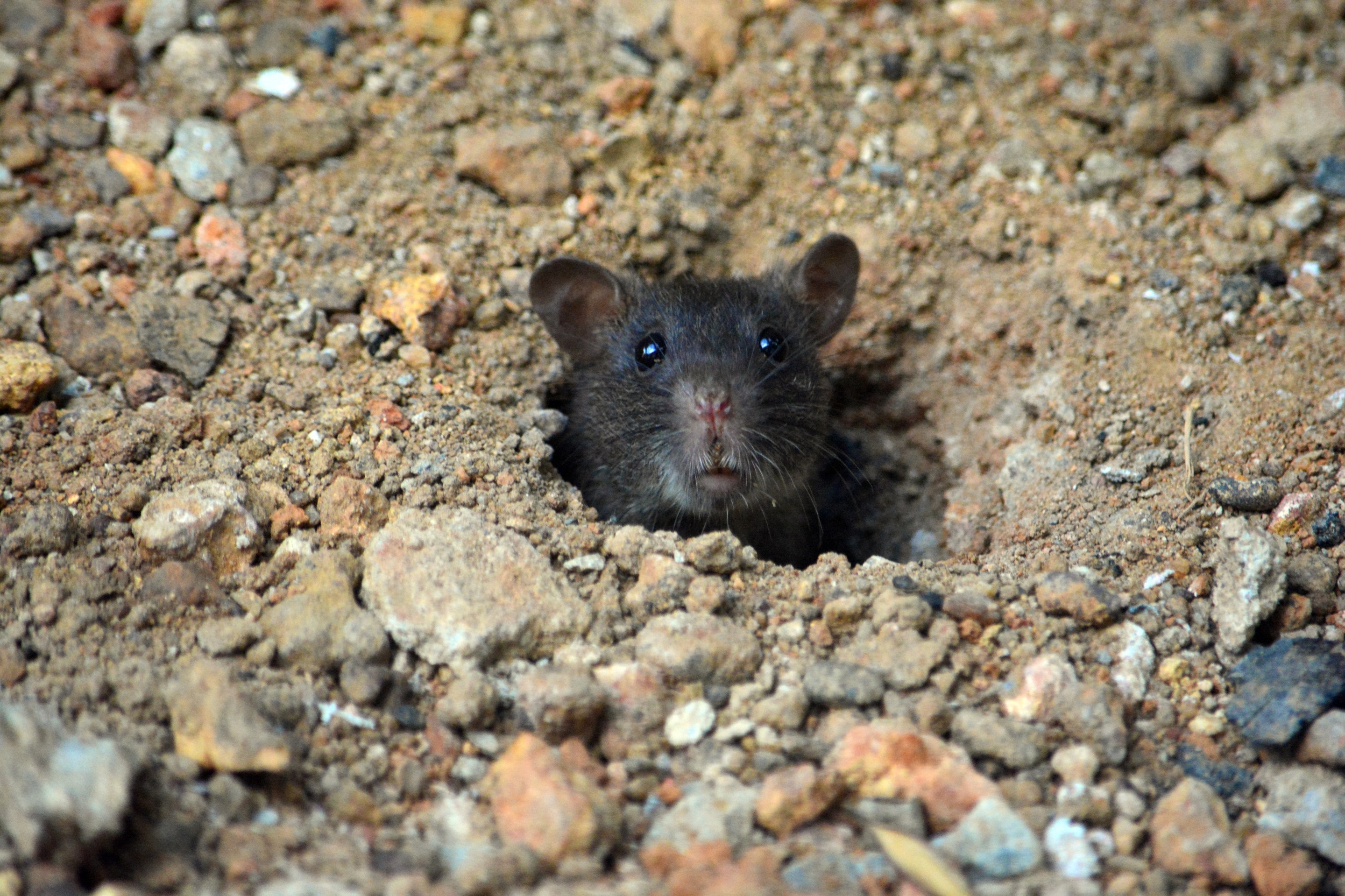
Black rats stowing away on the ship disembarked and made the island their home. Over the years, their populations exploded, wreaking havoc on the island’s native flora and fauna and threatening the livelihood of the people living there. To combat the rodent invaders, Australia undertook a lengthy and costly eradication program. Over a century later, in 2023, they were finally able to declare victory.
Read more: “How Invasive Rats Mess with Coral Reef Food Webs”
According to a new paper published in the Journal of Applied Ecology, they might have been able to save some time and money if they used a little bit of nudge marketing.
Imagine you own a restaurant with a few bottles of wine on the menu priced at $20, $40, and $60. The most expensive wine on your menu also comes with the highest markup giving you the most profits, but it’s not selling. You could lower the price to $50 to make it a more attractive purchase eating into your margins, but a wiser strategy might be adding a fourth bottle priced at $100. While the extravagantly priced wine may be out of reach for most customers, it makes the $60 bottle look more attractive in comparison, psychologically nudging them to buy it.
But does it work on rats?
To find out, a team of environmental scientists from the University of Sydney set up hundreds of trap-like tunnels around their city wired with cameras. Inside the tunnels they placed plain white bread (which rats will definitely eat, even if it’s not their preferred food) or tastier jam sandwiches. Outside they placed phantom decoys—metal shakers filled with peanut butter balls (which rats love) that they could smell, but couldn’t reach.
Remarkably, these peanut butter-scented phantom decoys increased rat entries into the boring bread-baited tunnels by a whopping 83 percent. (However, they didn’t have an effect on the traps baited with jam sandwiches because entries were already high.) To determine whether rats were just attracted to the smell of peanut butter, the team placed the shakers at the back of the tunnels, but entries remained low. In other words, the phantom decoys seemed to be psychologically nudging the rats to make (what turned out to be) an unwise “purchasing decision.”
“Improving rodent trappability has been a millennium-long challenge for humanity that’s never been tackled from a nudge theory approach before,” study author Jenna Bytheway said in a statement. “This approach is a simple, low-cost way to improve pest control and wildlife monitoring by changing how animals perceive their choices when lures alone aren’t enough.”
It can save quite a bit of money, too. The last rodent holdouts on Lord Howe Island proved to be incredibly elusive and therefore expensive to snag. “The initial eradication of 300,000 rats and mice on Lord Howe Island cost $57 per individual, whereas capturing the 96 rats discovered 2 years later cost $18,750 per rat,” the researchers wrote.
At the end of the day, marketing—even directed at rats—is all about the money. 
Enjoying Nautilus? Subscribe to our free newsletter.
Lead Image: SpaceLay / Shutterstock