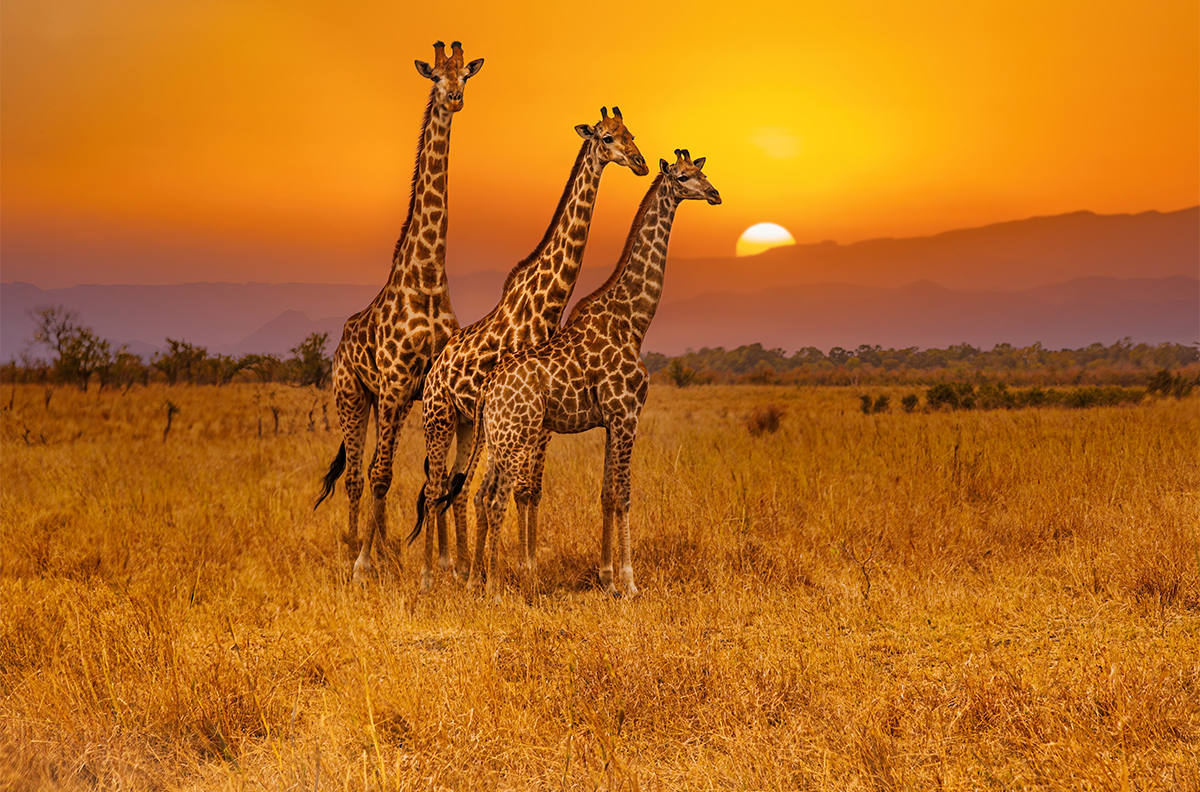
The name “David Attenborough” has, to me, always been an enchanting but disembodied voice narrating the hidden struggles and splendors of the natural world. In the last few months I’ve seen several of his documentaries (out of the 23 I could count on Netflix) from start to finish—Life, Africa, and Planet Earth. They’re mesmerizing, and some segments can be heart-racing, some distressing, and some morally confusing, as you feel your sympathies tugged in opposite directions (quite often, the offspring of one creature is taken as food to feed the offspring of another). Attenborough doesn’t take sides—the cruelty of necessity in nature is a spectacle he dramatizes neutrally.
What Attenborough doesn’t do in his nature documentaries is discuss Darwin and his theory of natural selection. Sure, every so often he’ll utter the word “evolve”—it’d be cumbersome not to, especially when it’s, say, birds with specialized, elongated beaks that he’s describing. But, watching these shows, you’ll rarely hear him mention genes or sexual selection, even when, for instance, ibex males, with their massive horns, are shown ramming each other in fights for access to females. “Losing one,” he says, “might mean never getting the chance to breed…ever.” Anyone curious to know what effect follows from females only mating with the winners of these contests won’t be gratified with an answer.
“That was the trigger which led him to these extraordinary thoughts.”
Which is why it was such a pleasure, this past International Darwin Day, to see Attenborough open up about his admiration for the man who, he said, “inspires me because he made sense out of the natural world.” A casual viewer of nature documentaries—or anyone who hasn’t heard of or seen the film Attenborough wrote called, “Charles Darwin and the Tree of Life”—might surmise that the man was hired to narrate the scripts merely because he’s got a great voice. In fact, Attenborough writes the scripts himself. Knowing that, it’s less of a surprise how passionate he is about Darwin’s life and ideas.
“He was absolutely mad about collecting beetles,” he tells the physicist Brian Cox, who was interviewing Attenborough for the Royal Society’s “People of Science” series. “When you do start collecting things, you say, ‘This one is different from that, but is it more different or less different from that?’ And that means you start building genealogies. That was the trigger which led him to these extraordinary thoughts.”
Watch the whole of Attenborough’s interview below.
Then check out our interview with the President of the Santa Fe Institute, David Krakauer, a complexity theorist who’s also a huge fan of Darwin. Here, he describes the sort of genius Darwin was.
Brian Gallagher is an associate editor at Nautilus. Follow him on Twitter @bsgallagher.
Lead image: Johann Edwin Heupel / Flickr