AI Art Is Human Art
An interview with a cognitive scientist about creativity and pleasure
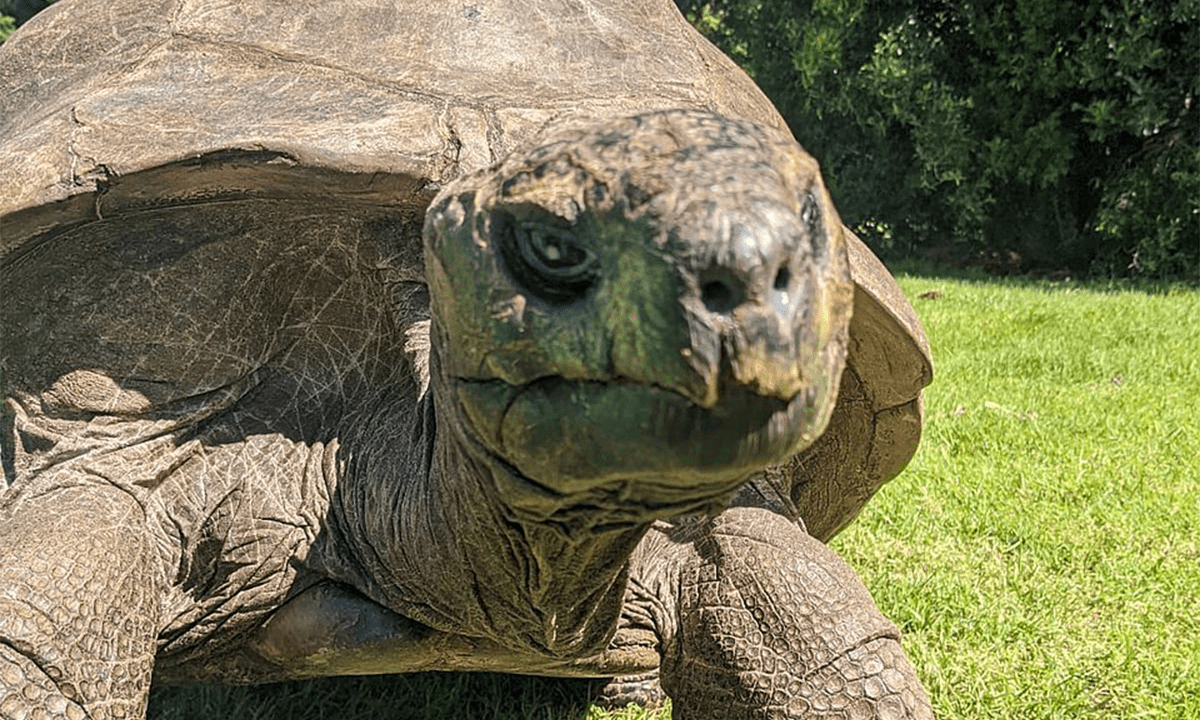
What’s the Oldest Living Animal on Earth?
Respect your elders
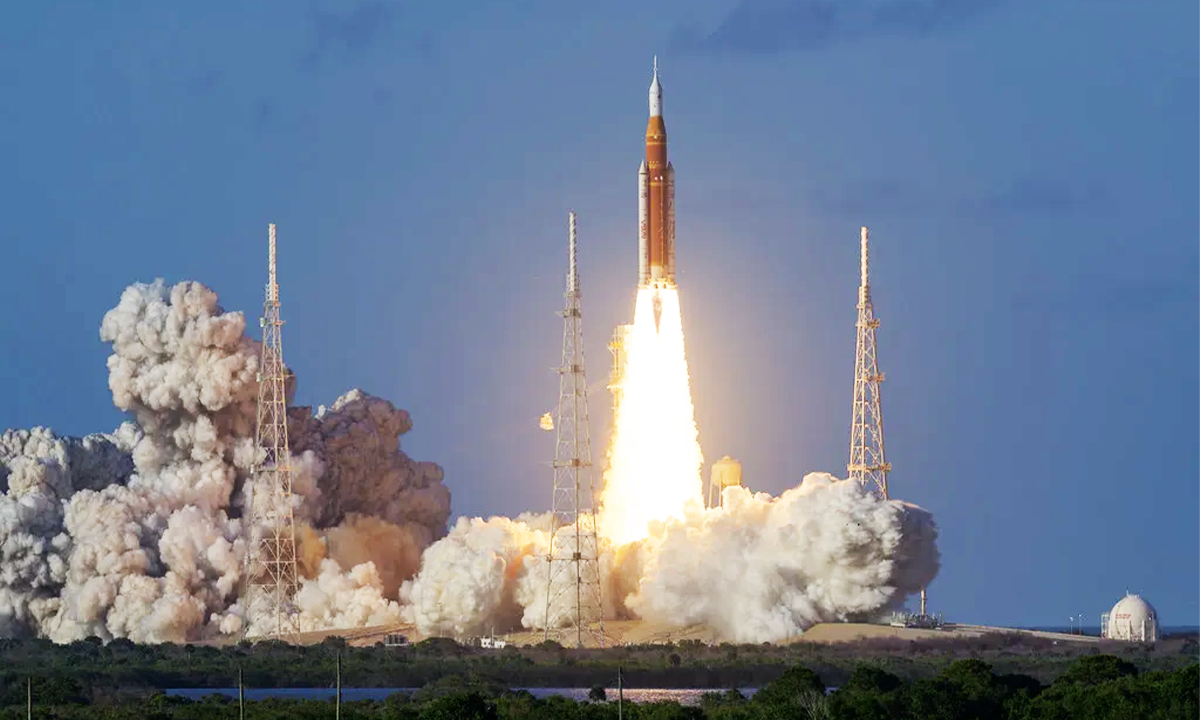
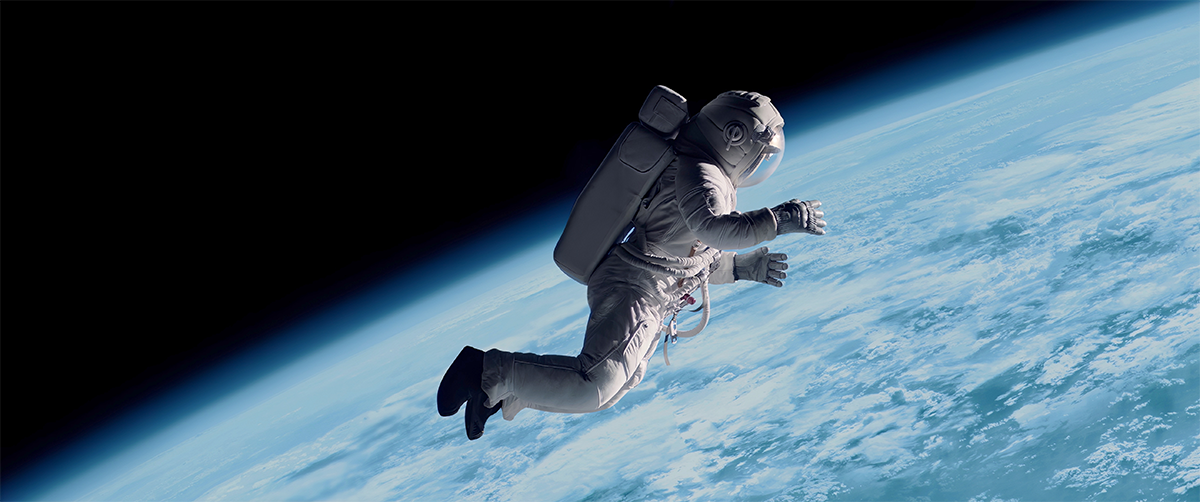
How to Track the Artemis II Mission
And eavesdrop on mission control
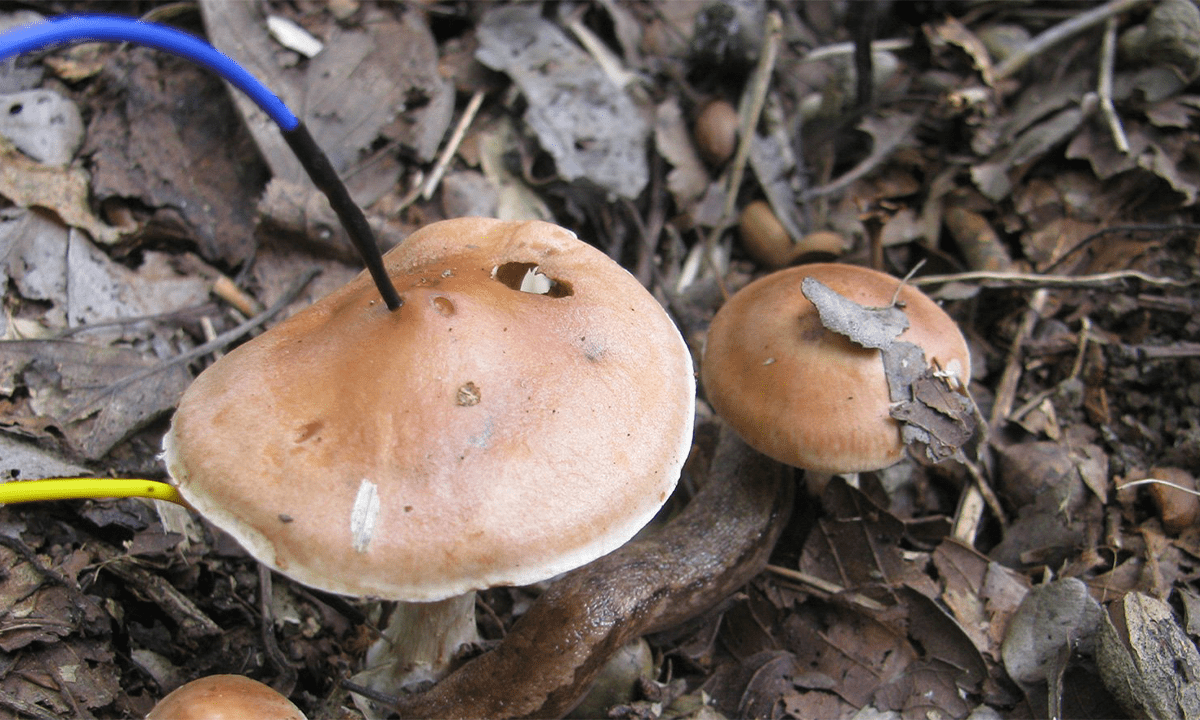
Are Gossiping Mushrooms Sharing Your Public Urination Secrets?
Either way, show a little decorum, okay?
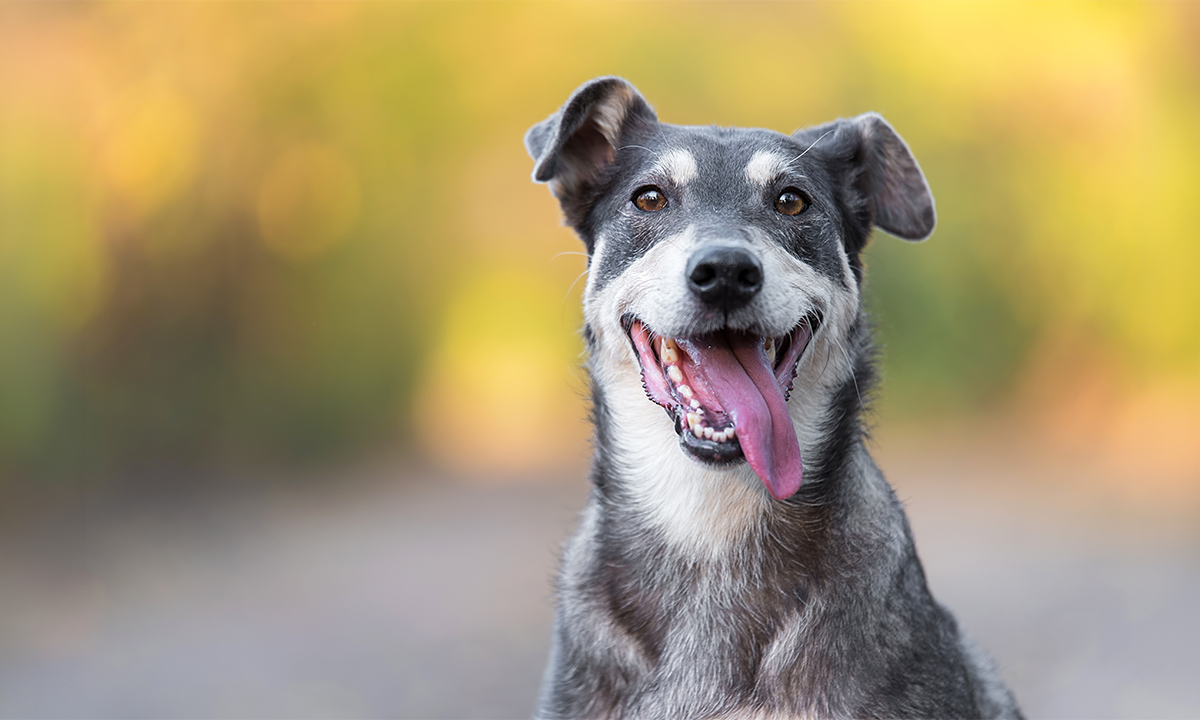
When Dogs First Became Man’s Best Friend
Ancient canid DNA pushes date of dog domestication back millennia
Latest Stories
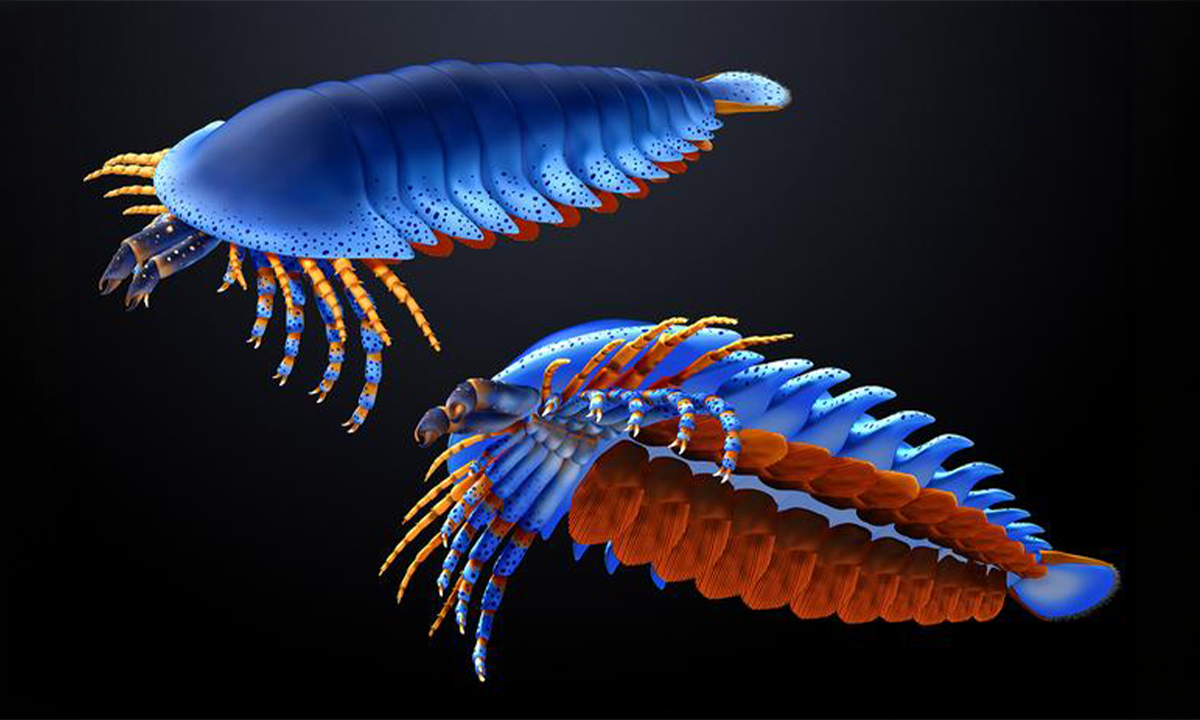
Meet the Arthropod That Originated Fangs
The granddaddy of spiders pushes back the evolutionary clock
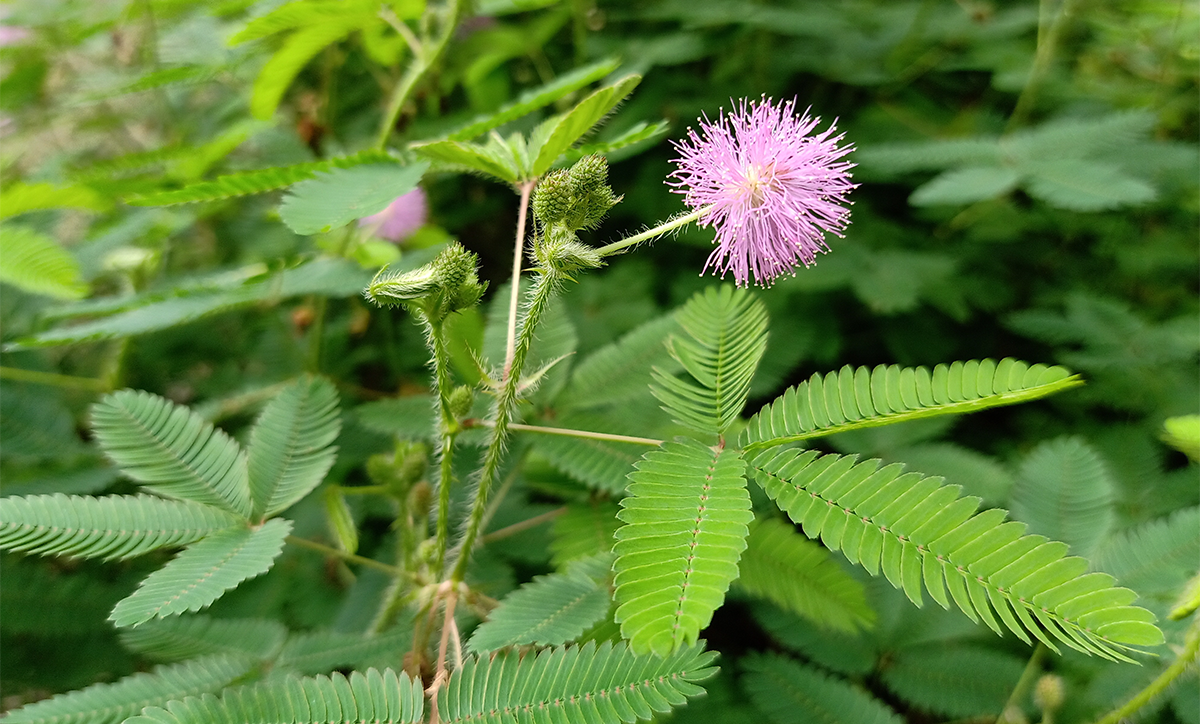
Can Plants Count?
It seems as though they can at least track the number of events in their environment
From the newest issue
See more

Get the Nautilus newsletter
Cutting-edge science, unraveled by the brightest living thinkers.
Astronomy
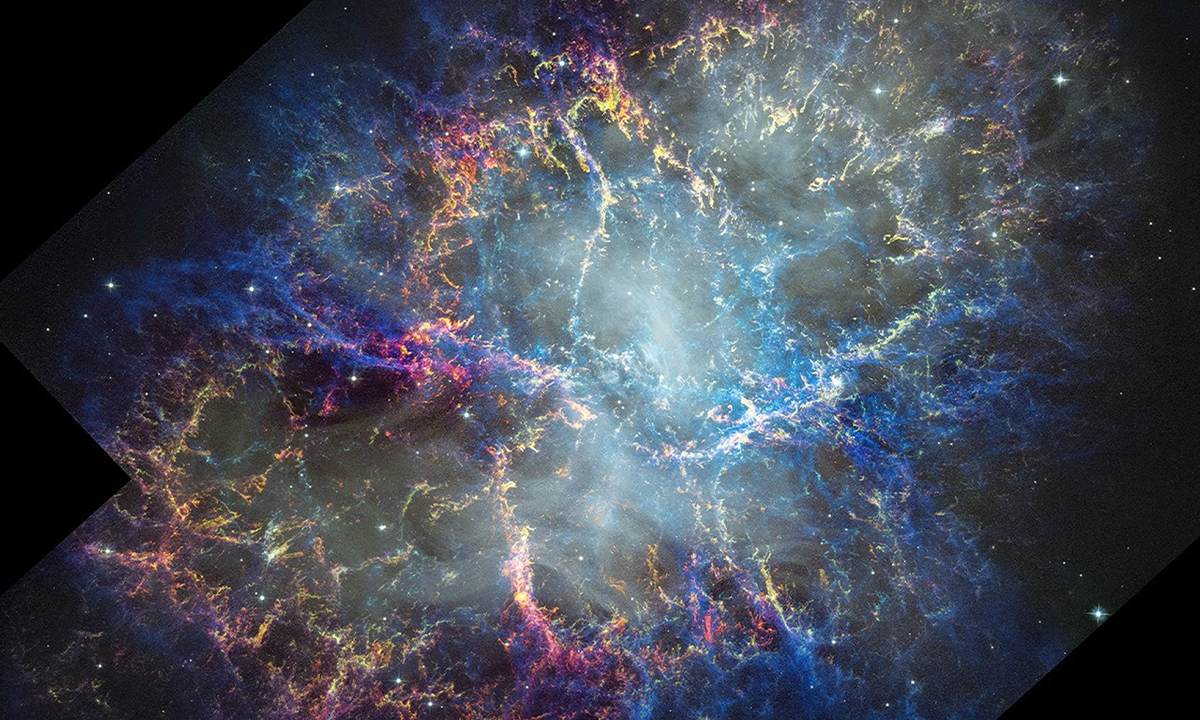
See more AstronomyHubble Snaps a New Dazzling Photo of the Crab Nebula
It was formed by an explosion witnessed around the world almost a millennium ago
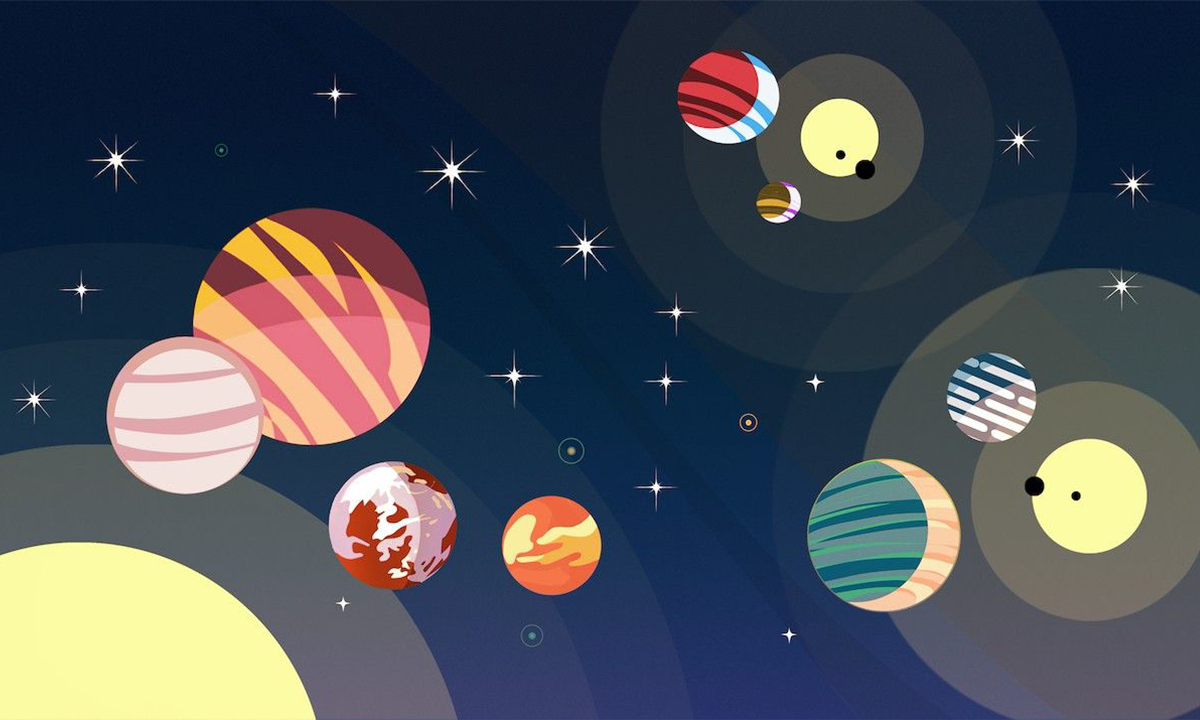
The Search for Alien Life Just Identified 45 New Targets
This subset of exoplanets are the most likely to be habitable
History
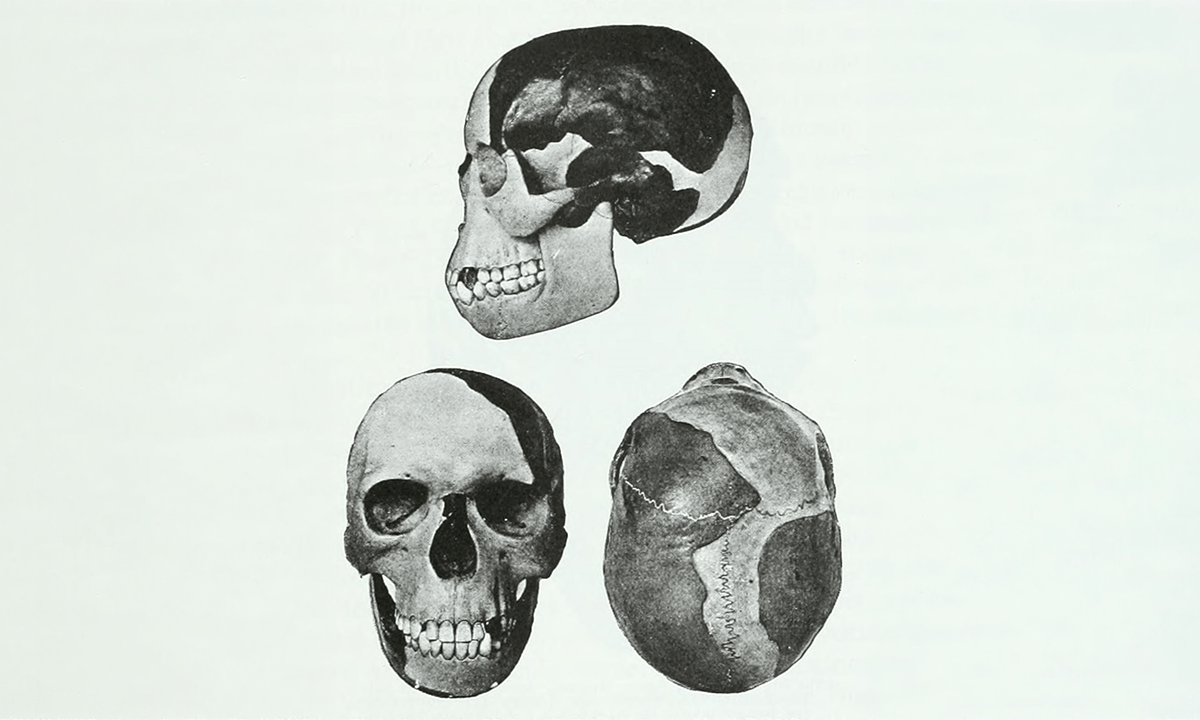
See more HistoryA Very Unscientific History of Scientific Hoaxes
The past, present, and future of academic deception
The Martyrs, Hunters, and Nature Lovers Who Came Together to Save Birds
An interview with James McCommons, author of The Feather Wars, about the past and future of bird conservation
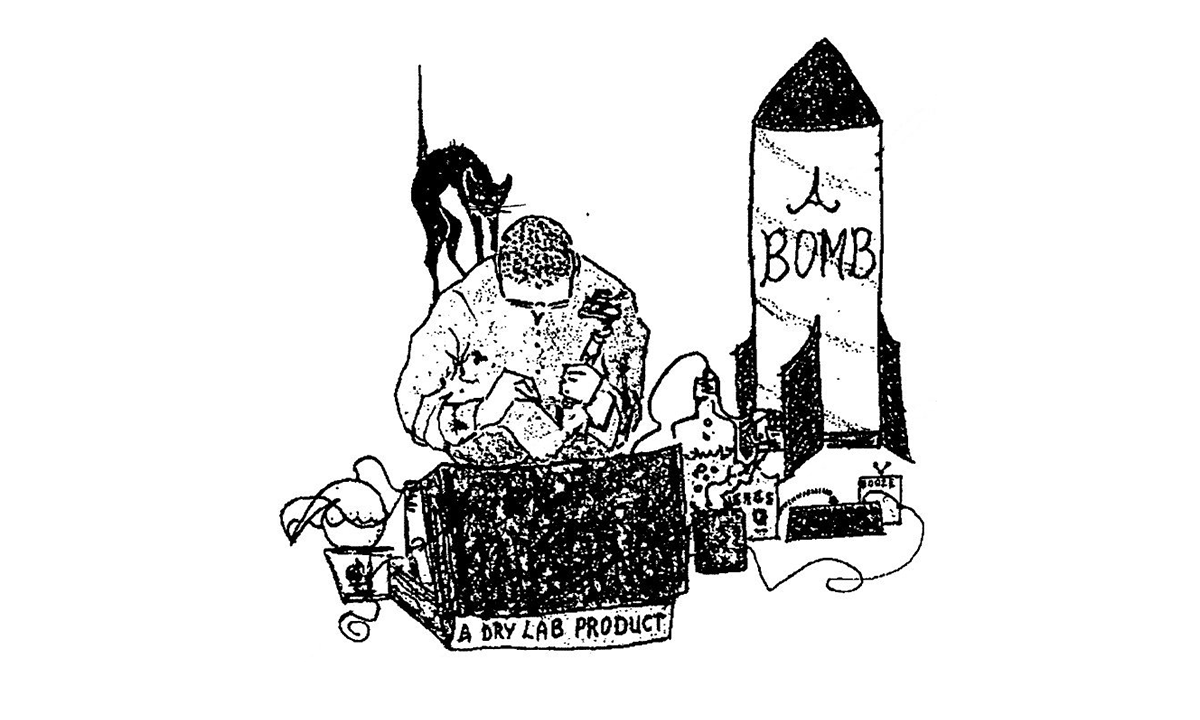
How Three Students Designed an Atomic Bomb
A top-secret 1960s project tasked physics postdocs with building The Bomb
Psychology
See more PsychologyThe Students Who Believe Practice Makes Perfect Get Pretty Perfect Grades
There’s a reason it’s a popular aphorism

The Internet Has Not Killed Reading—or Attention Spans
An interview with Kevin Ashton, MIT technology pioneer and author of The Story of Stories

Get unlimited, ad-free Nautilus. Become a member today.
Environment
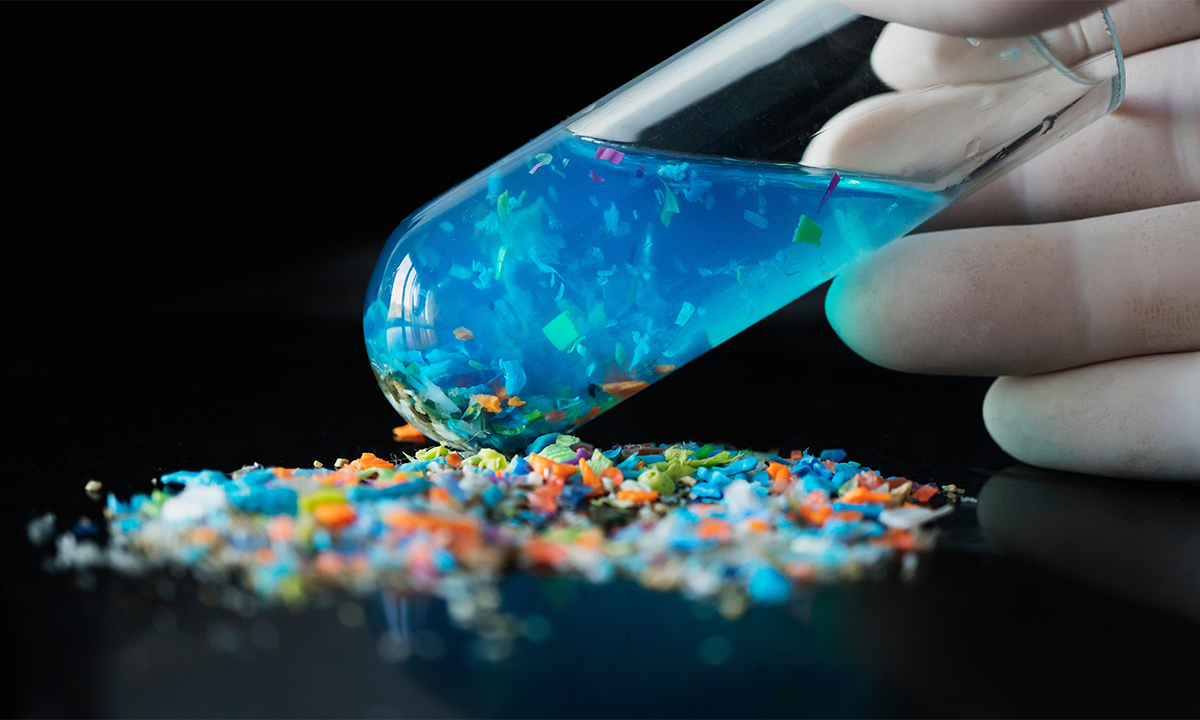
See more EnvironmentOrdinary Lab Gloves May Have Skewed Microplastic Data
That doesn’t mean microplastics aren’t a problem, though
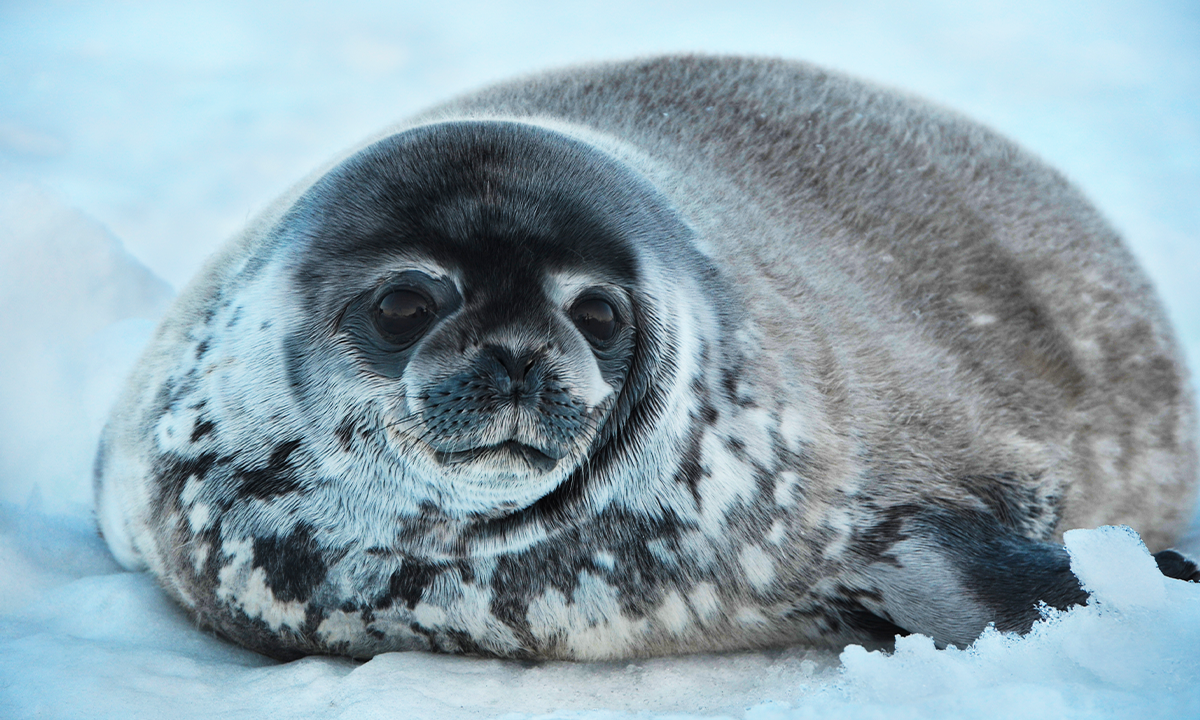
These Seals Brave Polar Bear Country to Access an Ocean Buffet
Conservation plans for climate change must consider both fear and food
Zoology
See more Zoology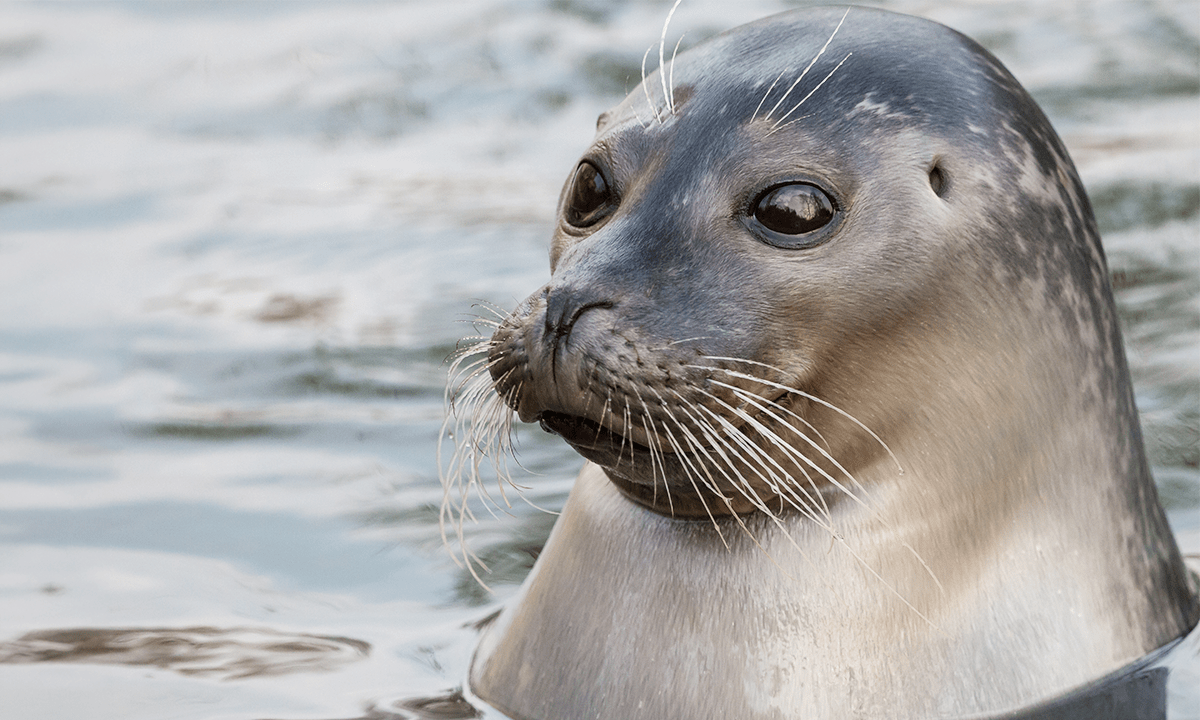
Philosophy
See more PhilosophyA Light in the Dark: Finding the Good in the Natural World
Is it absurd to think that science can inform our values?

How ‘Tiny Shortcuts’ Are Poisoning Science
Seemingly harmless data tweaks are undermining the integrity of the entire field. We must define the problem to prevent it
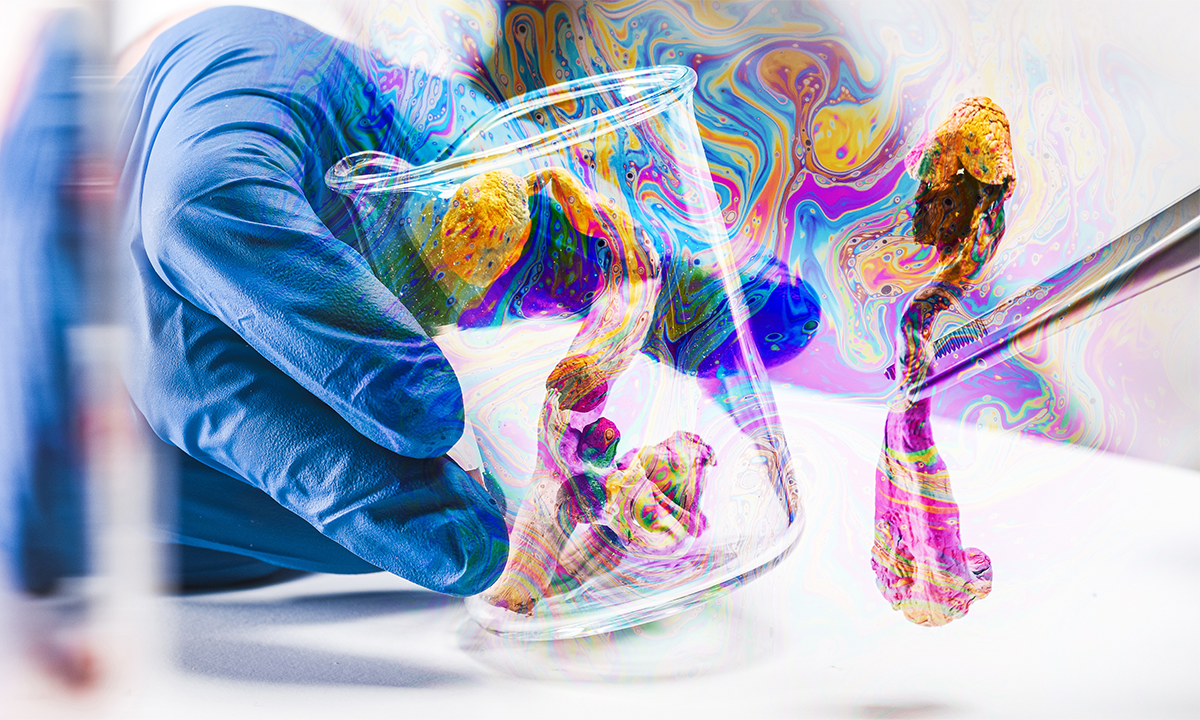
Doing Science and Philosophy On Drugs
Justin Smith-Ruiu takes a philosophical and first-person look at psychedelics
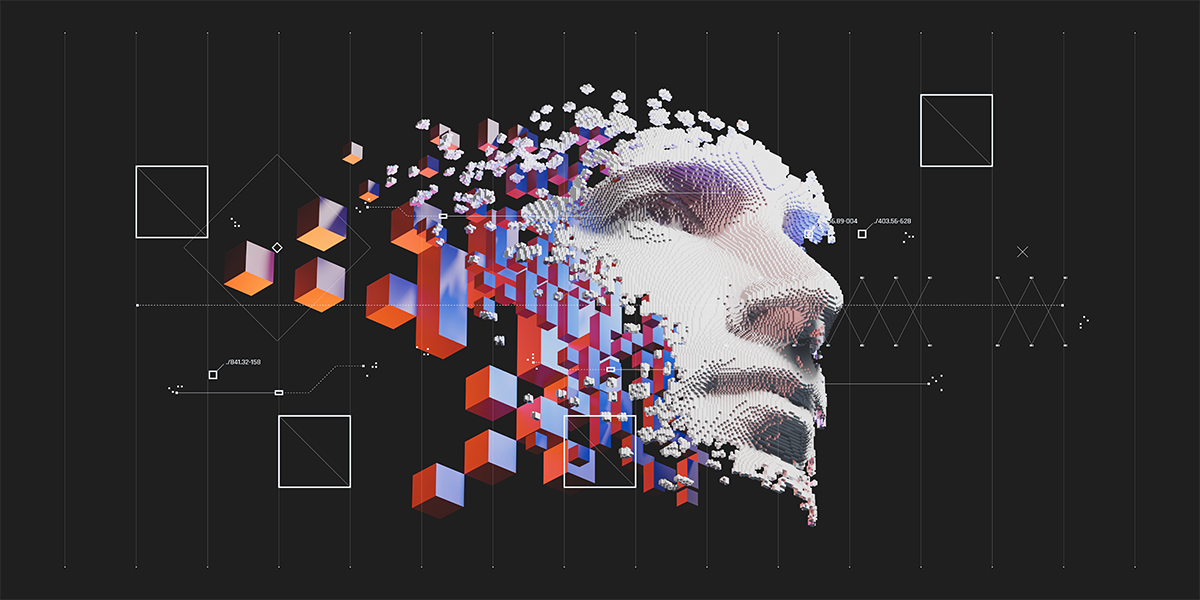
Making AI More Human
An interview with Berkeley researcher and author Nina Begus about her new book and proposal to fuse science and the humanities
Read more
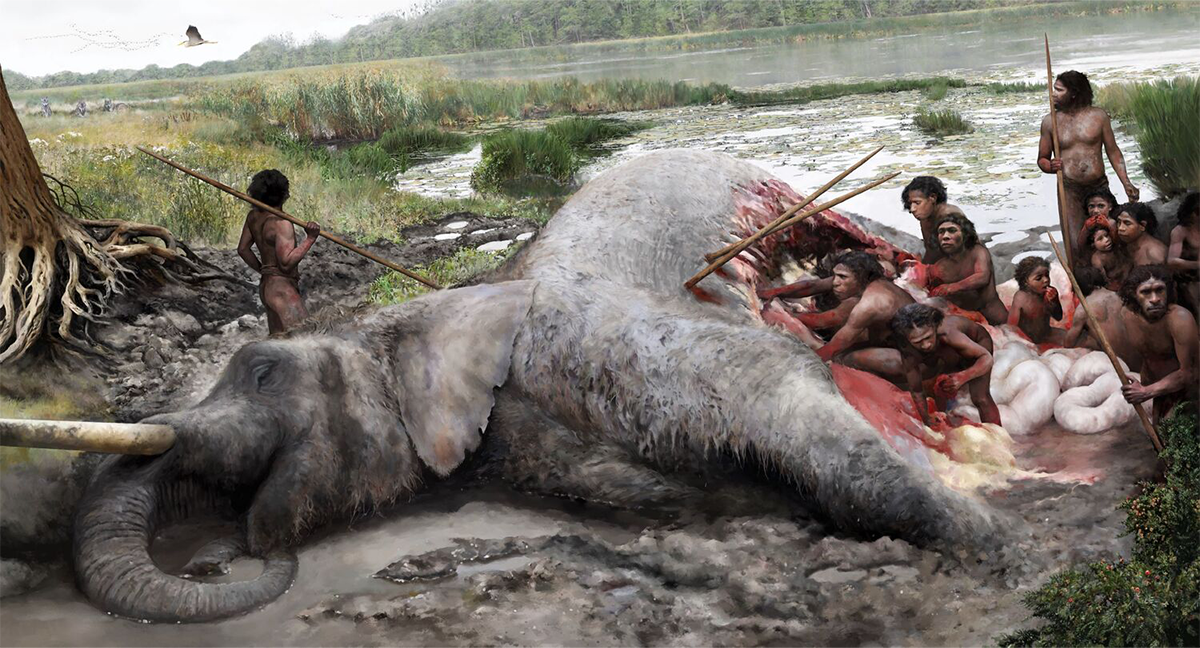
See all postsThe Big-Game Elephants Neanderthals Hunted for Food
A prehistoric butcher bonanza uncovered on an ancient German lakeshore
Who Gets to Do Science?
An interview with a neuroscientist who spent the last decade tearing down the class, race, and language barriers that keep people like him out of research

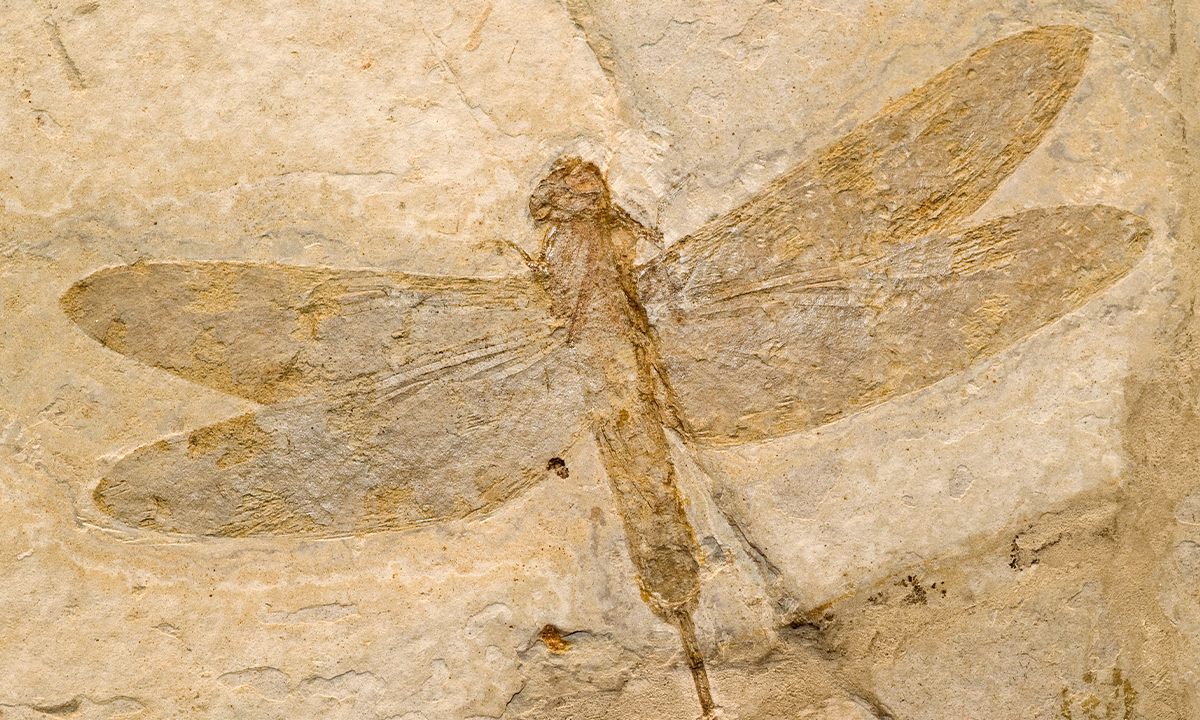
Now We Know What the Insects of the Jurassic Period Sounded Like
Thanks to crickets and relatives playing their “washboards”
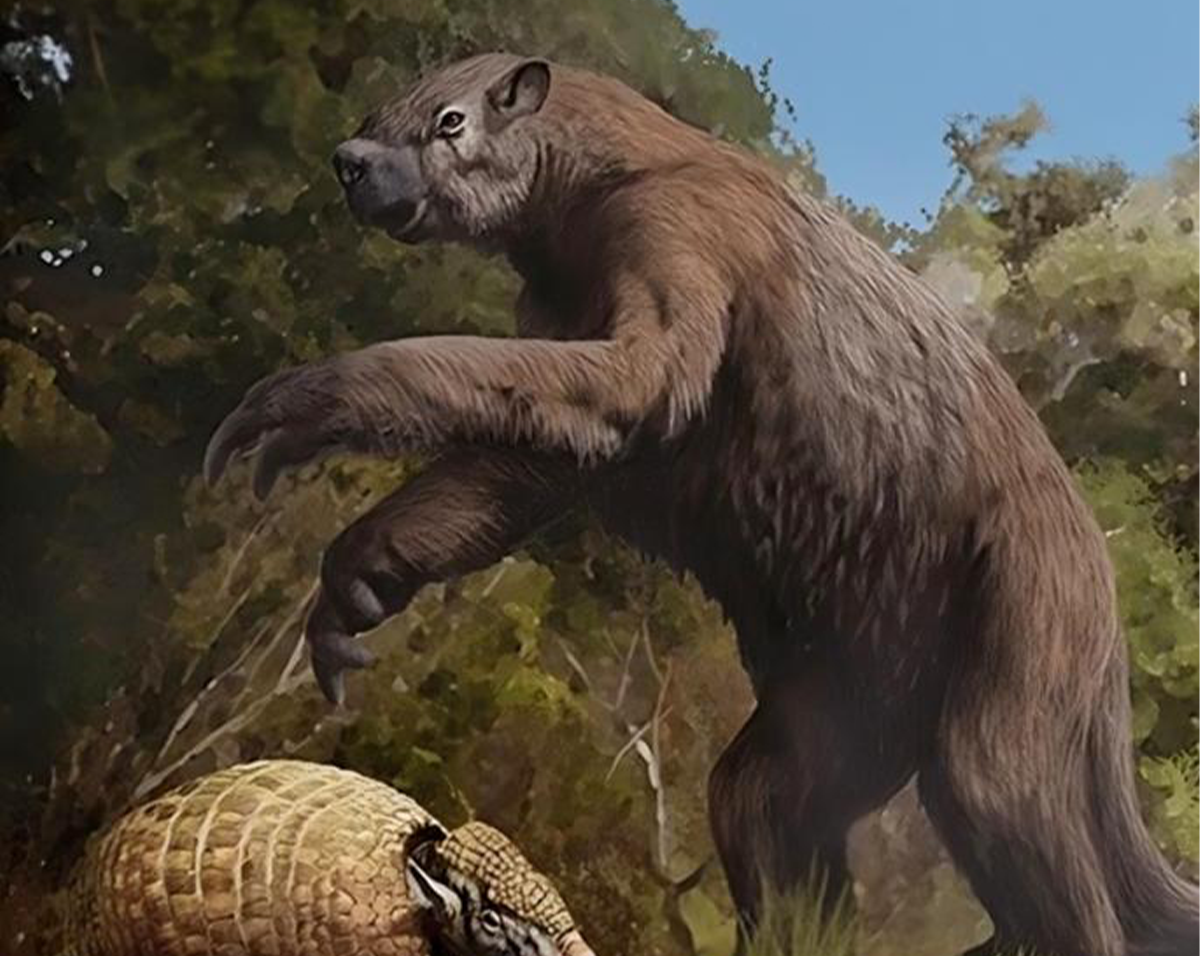
The Giant Sloths and Armadillos of Prehistoric Texas
Snorkeling scientists uncover a treasure trove of megafauna fossils in a flooded cave
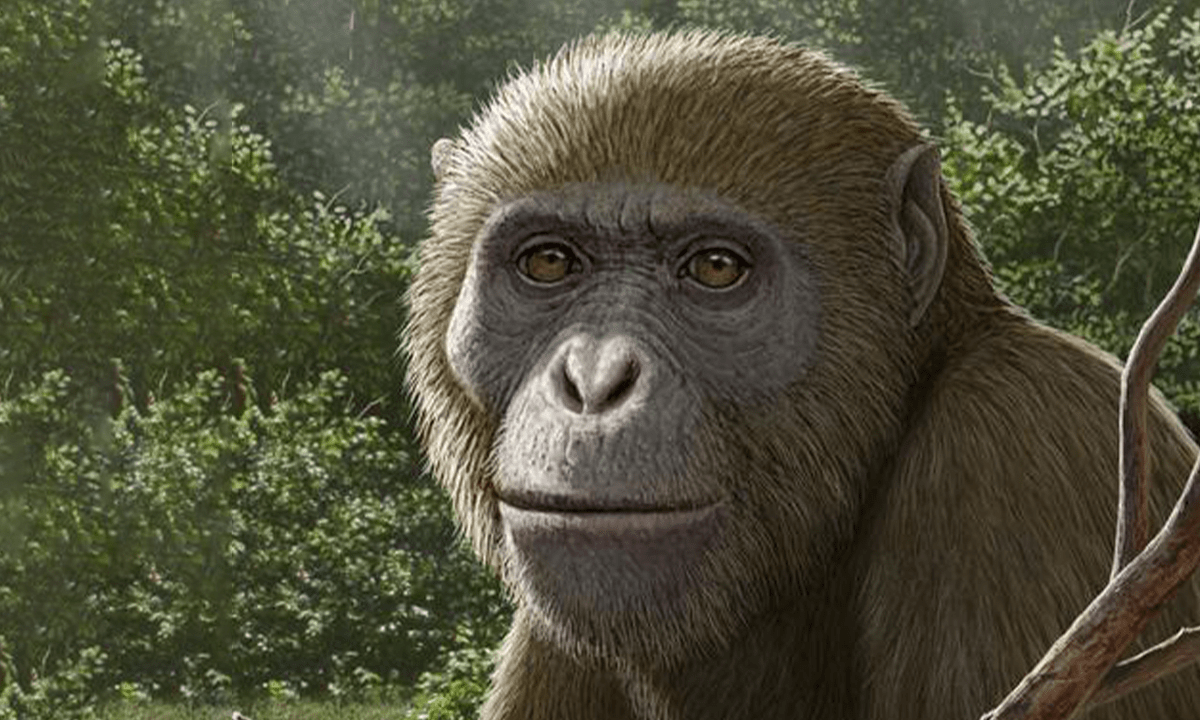
New Ape Fossil Could Shift Our Evolutionary Origins Northward
Ancestor of humans and other great apes turns up in Egypt
How Science Fiction Can Save Us
Three scientists share their bold vision for turning stories into testable experiments