Facebook
 Twitter
 Pocket
 Reddit
 Email
EmailScientists
aren’t exactly sure how many new mutations crop up each generation
in humans—for years, the standard estimate was round 100-200, but
one
2011 study,
using whole genome information from two families, has put it at about
30-50. And the rate of mutation is more than a curiosity: Seeing how
many mutations separate us from cousin species and multiplying that
by the rate of change is one way scientists measure the time since we
diverged from each other—a “molecular clock.” So that new,
lower mutation rate—30-50 changes per generation—implies that our
common ancestor with chimps was not 5 million years ago, as had been
thought, but 7 million years. (For

Art+Science

Biology + Beyond

Catalysts of Discovery

Cosmos

Culture

Currents

Earth

Life

Mind

Ocean

One Question

Quanta Abstractions

Rewilding

Science at the Ballot Box

Science Philanthropy Alliance

Spark of Science

The Animal Issue

The Climates Issue

The Food Issue

The Kinship Issue

The Porthole

The Reality Issue

The Rebel Issue

Women in Science & Engineering
Unravel the biggest ideas in science today. Become a more curious you.
Unravel the biggest ideas in science today. Become a more curious you.
The full Nautilus archive • eBooks & Special Editions • Ad-free reading
- The full Nautilus archive
- eBooks & Special Editions
- Ad-free reading



Fuel your wonder. Feed your curiosity. Expand your mind.
Access the entire Nautilus archive,
ad-free on any device.

-

Vampire Squid Genome Offers Glimpse Into Octopus Evolution
Scientists decoded the elusive creature’s genome for the first time -

Feel Like an Anxious Golden Retriever Some Days?
Blame it on the genes -

What Made Horses Rideable
How horse genetics and human culture co-evolved -

We’ve Got the Beat—in Our Genes
How much we enjoy music, and in what ways, is heritable -
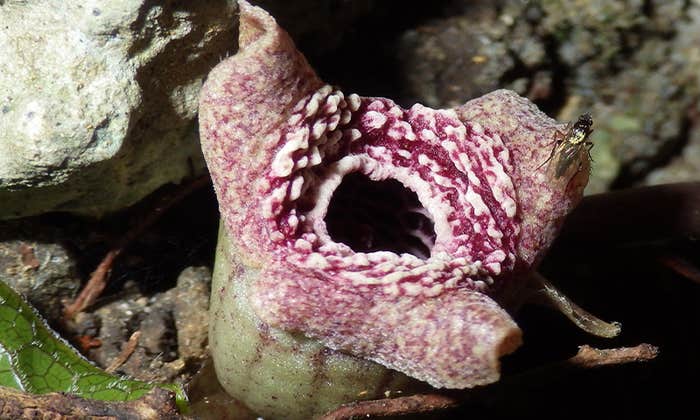
The Genetics of Putrid-Smelling Flowers
Some plants lure pollinators with the stench of decay using a gene related to one that fights odor in human breath