Learning that romantic feelings, the fireworks of joy and transcendence, are ignited by nothing but biochemistry is a total downer. Or so it might seem. But we bet you will come away from reading these Nautilus articles on love, compiled for Valentine’s Day, feeling like researcher Anna Machin, who says the more she studies love, “the more in awe I am of its complexity in the human species.”
You will learn how biochemistry, concocted by evolution, binds us to others. And those “others” are not just humans. The same natural potions of love bind animals, too. But the science of love is not as reductive as you might imagine. It also takes the air out of culturally conservative views about sex. Only love can break your heart, Neil Young sang, but in the brave new science of love, chemistry can repair it, too.
In an episode of the satirical comedy The Great, the reign of the reason-and-science-loving Russian empress Catherine nearly collapses when her husband Peter, the deposed emperor, storms into her private quarters, determined to imprison her. But seeing her tearful and in despair, he forgets his vindictiveness and hugs her. Later, he tells her, “I wanted your happiness more than my own.” “Wow,” she responds. “Indeed,” Peter says. “Love has done a strange thing to me. I wonder if you cut a man who has loved fiercely, you will see a different-shaped heart from a man who has not?”
Casual Sex Is Improving America’s Marriages
An American man and a French woman meet on a train in Eastern Europe. They live on different continents. But before the sun comes up, they have spent the night together. What happens next?
What Pigeons Teach Us About Love
Last spring I came to know a pair of pigeons. I’d been putting out neighborly sunflower seeds for them and my local Brooklyn house sparrows; typically I left them undisturbed while feeding, but every so often I’d want to water my plants or lie in the sun. This would scatter the flock—all, that is, except for these two.
Your Romantic Ideals Don’t Predict Who Your Future Partner Will Be
Last year, I briefly ran an analogue dating service. I’ll never know what inspired me to start it—maybe my stable relationship had me missing the excitement of single life—but I loved the simplicity of it. There were no questionnaires, no algorithms, no thoughtful matchmaking. Instead, I collected phone numbers from singles I met at bars, soccer games, and dinner parties, and arbitrarily set them up with each other.
Bioluminescence Is Nature’s Love Light
Imagine being a 22-year-old woman, wondering where new species come from. Imagine this question, burning brightly in your mind, has drawn you to the Florida Keys. One night, you pile into a boat with your graduate school advisor and some labmates, head for open water, and cut the lights. You adjust your snorkel mask, tip your face into the Caribbean Sea, and stare downward.
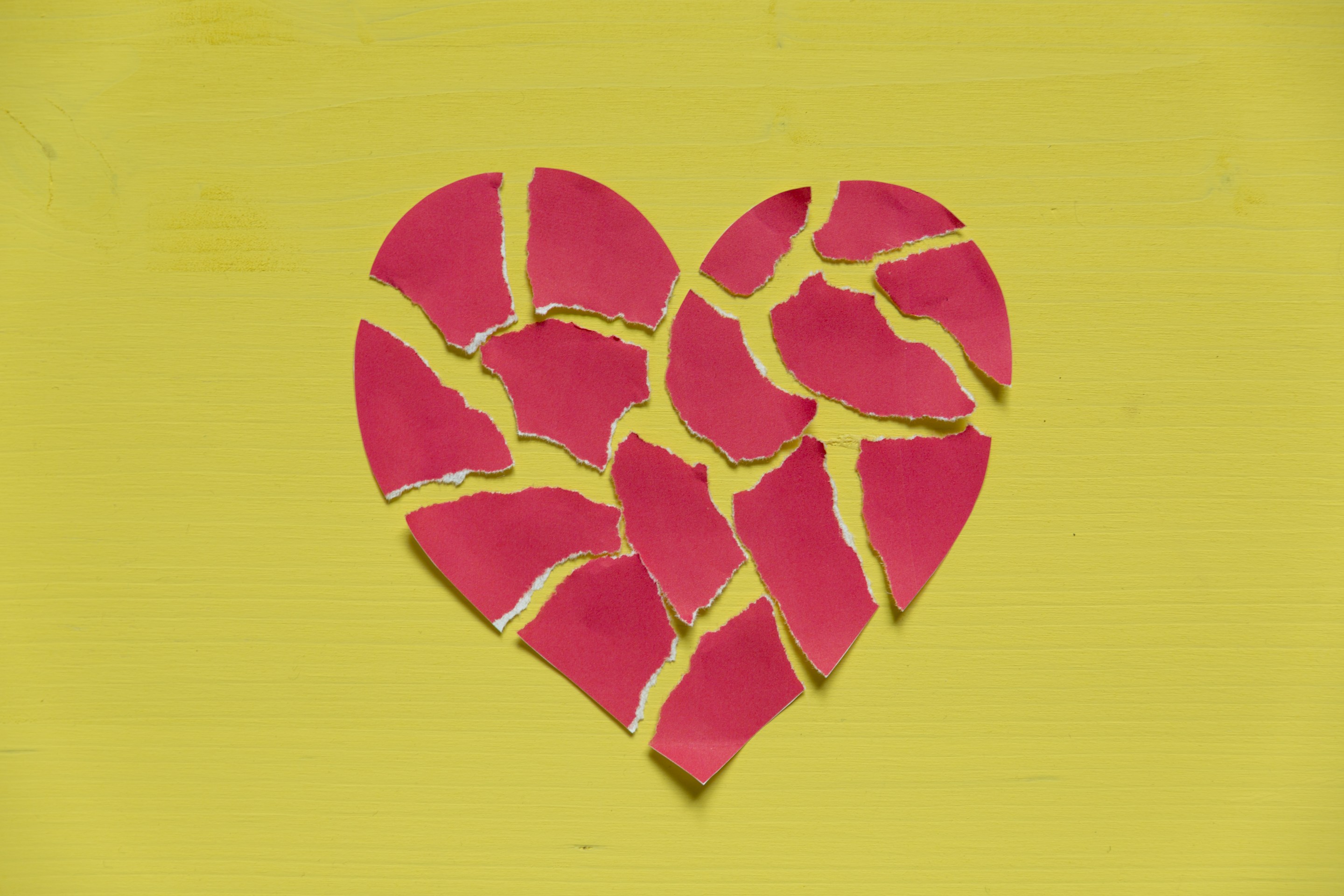
This Drug Can Mend a Broken Heart
On Valentine’s Day in 2016, Anne Lantoine received not flowers, but divorce papers. In the months preceding, she had been preparing for her family’s move from France to Canada—or so she thought.

Lead image: pogonici / Shutterstock